



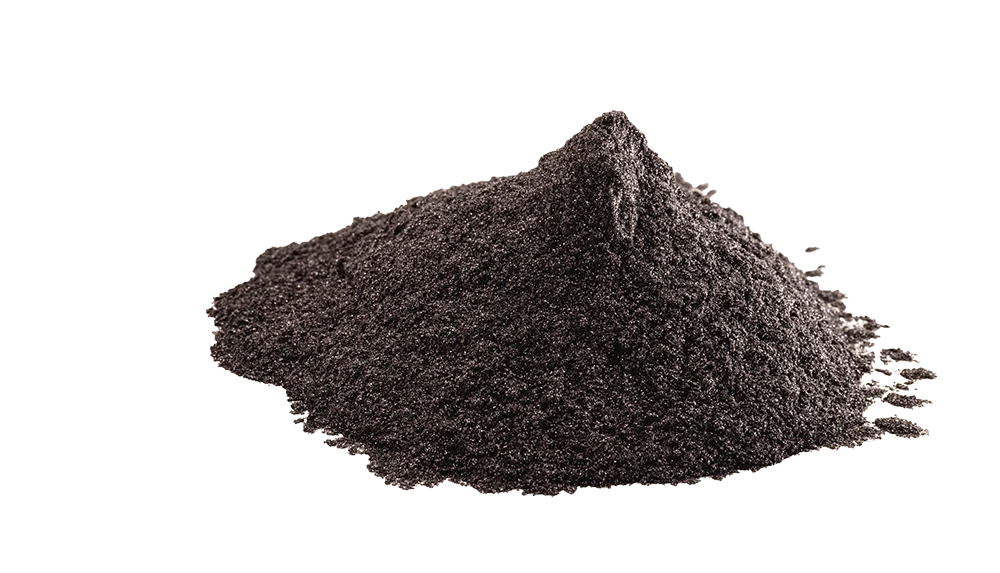
WHAT IS ZINC
Zinc is a trace element, meaning the body requires it in small amounts but cannot produce it independently and must obtain it continuously through diet. It is the second most abundant trace mineral in the human body after iron, present in every cell, concentrated most heavily in muscle, bone, the liver, kidneys, and the prostate.
Unlike most ingredients in the supplement world, zinc has no botanical origin story, no medieval apothecary, and no Himalayan altitude to make it interesting. It is simply a transition metal, atomic number 30 on the periodic table, that turns out to be structurally and catalytically indispensable to a remarkable number of the body's core processes. More than 300 enzymes require zinc as a cofactor to function. More than 1,000 transcription factors (proteins that switch genes on and off) depend on what are called zinc finger domains (small structural motifs that fold around a zinc ion to achieve the correct shape for DNA binding) to operate. Zinc is not doing one thing well. It is doing everything a little, and a lot of things a great deal.
Dietary zinc is found primarily in animal-sourced foods: oysters contain more zinc per serving than any other food by a significant margin, followed by red meat, poultry, shellfish, and dairy. Plant sources, particularly legumes, nuts, seeds, and whole grains, contain meaningful amounts but also contain phytates (organic acids that bind zinc in the gut and reduce its absorption), which is why plant-heavy diets can supply adequate zinc on paper while leaving the body functionally short. This isn't a flaw in plant foods, but a bioavailability consideration that is worth understanding clearly, particularly when deciding how and whether to supplement.
Zinc deficiency in its clinical, severe form is relatively rare in industrialized countries. Subclinical insufficiency, however, where zinc status is low enough to impair function without producing overt deficiency symptoms, is common and consistently underestimated. Older adults, people following plant-forward diets, athletes with high sweat-loss, and anyone under chronic stress are the populations most likely to be running short without knowing it.
WHY ZINC EXISTS FOR YOU
The supplement industry consistently fails some ingredients, the ones that aren't dramatic enough for a marketing campaign, not obscure enough to be mystified and linked to millennia of woo, not rare enough to tell a captivating story about harvesting and sourcing. Zinc falls squarely in this no-man's land. It's far too well-known to be positioned as a discovery, too broadly functional to be pinned to a single benefit, and too foundational to produce the sharp, attributable effect that makes for a compelling before-and-after story.
What zinc produces, instead, is a body that runs as it should: immune responses that are calibrated rather than sluggish or overactive, wound healing that proceeds at the pace it is supposed to, skin that maintains its barrier, testosterone levels that stay in range, a prostate that functions without protest, cells that divide accurately and repair themselves cleanly.
While not exactly glamorous, these are outcomes that define whether a person feels, as a rule, well or not quite right in ways that are difficult to trace to a single cause.
Zinc exists:
For the person whose diet is generally good but leans heavily on plants and whole grains, and who has never thought much about what phytates do to mineral absorption
For the person whose training load is high, whose sweat carries zinc out of the body at a rate that diet alone may not replace
For the older adult whose intestinal zinc absorption has declined with age
And for anyone whose immune system takes longer to resolve things than it used to
It also exists, specifically, for men: zinc's role in testosterone synthesis and prostate health is one of the most robustly supported micronutrient stories in men's physiology.
WHAT ZINC DOES
As mentioned in the intro, zinc has an active role in far too many bodily processes than we have space to discuss and reader has interest to skim. As such, we've limited this section a bit editorially, discussing which of zinc's roles we think Junai customers would be most interested in.
Metabolic support and blood sugar regulation
Zinc participates directly in insulin synthesis, storage, and secretion. The pancreatic beta cells that produce insulin are among the body's highest zinc-accumulating cells, and insulin itself is stored in a zinc-coordinated crystalline structure before release. Adequate zinc supports the efficiency of insulin signaling, which makes it a crucial part of the same glucose metabolism regulation that berberine and Reducose address through their own distinct mechanisms. This is exactly the reason zinc was included in the SLIM formulation.
Testosterone and reproductive health
Zinc is required for testosterone synthesis, and its relationship with male reproductive health and function is one of the most consistently documented connections between micronutrient and hormones in the literature. Adequate zinc status supports testosterone levels within their normal range, leading to proper sperm production and motility. This isn't a dramatic amplification story, so don't expect to take zinc and start churning out offspring like a rabbit. It's instead a sufficiency story: when you have enough zinc in your system, your machinery runs as if well oiled.
Prostate health
The prostate accumulates zinc at concentrations higher than virtually any other soft tissue in the body, a fact that has driven substantial research into zinc's role in prostate physiology. Adequate zinc status is associated with normal prostate function, and research has explored its potential relevance to the prevention of benign prostatic hyperplasia (BPH, the non-cancerous enlargement of the prostate that affects a significant proportion of men over 50) and prostate cancer risk. The evidence here is promising but still developing, and we handle it as such.
Antioxidant activity and cellular protection
Zinc does not scavenge free radicals directly the way some antioxidants do, like the phlorotannins in bladderwrack, the curcuminoids in turmeric, the berberine in barberry root, or the carotenoids in moringa and chlorella. Its protective role operates upstream, as it's a structural component of superoxide dismutase (SOD), one of the body's primary endogenous antioxidant enzymes, and it stabilizes cell membranes against oxidative damage. The result is a cell that is less vulnerable to the kind of accumulated oxidative stress that, over time, contributes to aging and chronic disease.
Immune function and defense
When the immune system is challenged, whether by a pathogen, an injury, or the chronic low-level burden of a stressful life, zinc is one of the first resources it draws on. A well-supplied immune system responds proportionately and resolves efficiently. A zinc-insufficient one tends to either underrespond, leaving infections to run longer than they should, or to dysregulate, producing inflammatory activity that outlasts its welcome. The felt experience of good zinc status is not an immune system that never gets hit, but one that handles hits cleanly.
Skin, wound healing, and tissue repair
Zinc is directly involved in the mechanics of how skin heals. Cuts close faster, inflammation resolves more completely, and the structural proteins that keep skin barrier-competent are maintained more reliably. For anyone whose skin feels slow to recover from irritation, breakouts, or minor injury, zinc is worth looking at first.
Cognition and mood
Zinc is present in high concentrations in the hippocampus and is involved in the regulation of neurotransmitter activity, including glutamate signaling and the modulation of GABA receptors. Research has linked zinc insufficiency to cognitive impairment and to symptoms associated with depression and anxiety, with supplementation studies showing modest but real effects on mood in populations with low baseline zinc status. This isn't zinc's most dramatic effect, but in a pantry full of other ingredients targeting mood and cognition, like lemon balm and ashwagandha, it deserves a mention.
HOW ZINC WORKS
Zinc is not a reactive hotshot. It doesn't spark reactions the way, e.g., iron does, cycling through oxidation states and throwing electrons around. Zinc has a completely filled 3d electron shell, which means it can't participate in redox chemistry under normal physiological conditions at all. It arrives in the body as Zn²⁺, stays Zn²⁺, and goes home as Zn²⁺. That's not a limitation, but rather it's the whole point.
Because zinc will never wander off to do something reactive, evolution trusted it near DNA, near sulfhydryl groups, near the kind of sensitive molecular architecture that iron would destroy via Fenton chemistry if you let it anywhere close. The clearest expression of that trust is the zinc finger, a folded protein motif in which 1 Zn²⁺ ion coordinates with 4 amino acid residues, typically cysteine and histidine, holding the protein in its functional 3-dimensional configuration. Without that coordination, the protein unfolds, loses its shape, and loses its function. More than 2,500 proteins in the human body depend on zinc fingers to maintain their working architecture, including the transcription factors that regulate testosterone biosynthesis and the enzymes that govern insulin signaling. Which is to say: before zinc does anything hormonal or metabolic, it does something architectural.
How zinc supports metabolism and blood sugar regulation
Zinc's metabolic role is most direct in the pancreas, where it's required for the crystallization of insulin into its stored hexameric form, a 6-unit complex coordinated around 2 zinc ions that allows dense packing in secretory granules. Without adequate zinc, insulin storage and regulated secretion are compromised. Zinc also supports insulin receptor signaling downstream of secretion, acting as a second messenger that amplifies the receptor's response to circulating insulin. In this way, zinc contributes to glucose metabolism both at the point of hormone production and at the point of cellular response, making it a genuinely useful complement to the star ingredients in Junai SLIM: namely berberine's AMPK-mediated approach and white mulberry's upstream carbohydrate absorption modulation. Three mechanisms, one process, no redundancy.
How zinc supports testosterone and reproductive health
Zinc is required at several steps in testosterone biosynthesis. In the testes' Leydig cells, those responsible for testosterone production, zinc supports the activity of steroidogenic enzymes, including the side-chain cleavage enzyme that converts cholesterol to pregnenolone, the first committed step in testosterone synthesis. Zinc also inhibits aromatase, the enzyme that converts testosterone to estradiol, meaning having sufficient zinc levels supports not just testosterone production but maintenance of a normal ratio of testosterone to estradiol.
For sperm, zinc is concentrated in the seminal plasma and contributes to motility, membrane integrity, and the protection of sperm DNA from oxidative damage. Zinc deficiency is one of the more directly replicated micronutrient causes of reduced sperm quality in the clinical literature.
Adequate zinc otherwise doesn't amplify reproductive function beyond its normal range, but makes the normal range achievable in the first place.
How zinc contributes to prostate health
The prostate accumulates zinc at concentrations roughly 10 times higher than most other soft tissues, driven by a dedicated zinc uptake mechanism in prostatic epithelial cells. In healthy prostate tissue, this high zinc concentration actively inhibits the citrate oxidation pathway, a metabolic pathway that, when dysregulated, contributes to the cellular energy changes associated with malignant transformation. Research has consistently found that prostate cancer tissue shows dramatically reduced zinc content relative to healthy tissue, which has generated substantial interest in zinc's role as a prostate-protective micronutrient. The mechanistic rationale is credible, but large-scale human trial data confirming protective effects from supplementation is still developing, and we handle that gap honestly rather than papering over it with mechanism alone.
For BPH (benign prostatic hyperplasia), zinc's role intersects with its aromatase inhibition and testosterone regulation activity, as the hormonal environment of the aging prostate is one of the contributing factors in benign enlargement.
How zinc protect cells from oxidative stress
Zinc is a structural component of copper-zinc superoxide dismutase (Cu-Zn SOD), the cytosolic enzyme responsible for converting superoxide radicals (one of the most reactive and damaging species generated during normal metabolism) into hydrogen peroxide, which is then further neutralized by catalase and glutathione peroxidase. Without adequate zinc, SOD activity declines and superoxide accumulates. Zinc also stabilizes sulfhydryl groups (the chemically reactive parts of cysteine residues in proteins) against oxidative modification, protecting membrane proteins and cellular scaffolding from the cumulative damage that contributes to aging.
This is a fundamentally different mechanism from the direct radical scavenging performed by the phlorotannins in bladderwrack, the curcuminoids in turmeric, the berberine in barberry root, or the carotenoids in moringa and chlorella. Those ingredients donate electrons directly to neutralize free radicals, while zinc builds and maintains the infrastructure that does it endogenously. The 2 approaches are complementary, not redundant.
How zinc contributes to immune response
Zinc is required for the development and activation of T lymphocytes (the white blood cells that coordinate the adaptive immune response), natural killer cells (which identify and destroy infected or abnormal cells before the adaptive response has fully mobilized), and neutrophils (the first responders of the innate immune system). Zinc deficiency reduces the proliferation of all 3 populations and impairs their function even when cell counts remain technically normal.
Zinc also modulates the inflammatory response through its role as a cofactor for thymulin (a thymic hormone involved in immune cell maturation) and through direct inhibition of certain pro-inflammatory signaling pathways, including NF-κB, the same transcription factor that berberine, bladderwrack, and turmeric also interact with, each through structurally distinct mechanisms. The net effect of adequate zinc on immune function is a system that activates when it should, responds proportionately, and resolves when the threat has passed.
How zinc contributes to skin, wound healing, and tissue repair
Zinc participates in wound healing at multiple stages. In the inflammatory phase, it supports the immune response that clears pathogens and debris from the wound site. In the proliferative phase, it acts as a cofactor for enzymes involved in collagen synthesis and for the matrix metalloproteinases (MMPs) that remodel tissue as healing progresses. In the remodeling phase, zinc supports the cross-linking of collagen fibers that gives healed tissue its structural integrity.
Zinc is also a cofactor for delta-6-desaturase, an enzyme involved in fatty acid metabolism that affects the lipid composition of the skin barrier. Adequate zinc status supports a skin barrier that holds moisture, resists irritants, and recovers from disruption more completely. The clinical evidence for zinc in inflammatory skin conditions, including acne and eczema, is among the more robust findings in dermatological nutrition research.
How zinc helps with mood and cognition
Zinc is stored in synaptic vesicles throughout the brain, with the highest concentrations in the hippocampus and amygdala, regions central to memory formation and emotional regulation. During neuronal firing, zinc is co-released with glutamate and modulates NMDA receptor activity, the synaptic receptor governing long-term potentiation, the strengthening process underlying learning and memory. Zinc also modulates GABA-A receptor sensitivity, which plays a direct role in anxiety regulation.
Zinc insufficiency in animal models produces measurable cognitive and behavioral changes, and observational studies in humans consistently link low zinc status to elevated rates of depression and anxiety. Supplementation trials in zinc-deficient populations show modest but real improvements in mood measures. As hinted at above, this isn't zinc's headline act, but, for a pantry stocked with ingredients like lemon balm and ashwagandha, which work the same territory through very different mechanisms, zinc's contribution to the neurological substrate is worth understanding.
RESEARCH ON ZINC
As a periodic element and essential mineral, there is understandably a vast body of literature on zinc and its role in bodily processes.
EFSA Claims
Zinc is one of the more extensively recognized micronutrients in the EU health claims framework. EFSA has approved the following claims for zinc, all of which are substantiated and currently permitted:
Contributes to normal DNA synthesis
Contributes to normal acid-base metabolism
Contributes to normal carbohydrate metabolism
Contributes to normal cognitive function
Contributes to normal fertility and reproduction
Contributes to normal macronutrient metabolism
Contributes to normal metabolism of fatty acids
Contributes to normal metabolism of vitamin A
Contributes to normal protein synthesis
Contributes to the maintenance of normal bones
Contributes to the maintenance of normal hair, skin, and nails
Contributes to the maintenance of normal testosterone levels in the blood
Contributes to the maintenance of normal vision
Contributes to the normal function of the immune system
Contributes to the protection of cells from oxidative stress
Has a role in the process of cell division
Contributes to normal zinc status of the developing foetus during pregnancy (this claim is approved for pregnant women specifically)
This is an unusually comprehensive approved claim set for any single ingredient, and it maps directly onto the mechanisms described above.
International Studies
The research base for zinc is broad and mature. A selection of the most relevant findings:
Zinc and immune function: the biological basis of altered resistance to infection
The foundational review establishing zinc's role in T lymphocyte development, natural killer cell activity, and cytokine signaling. The mechanisms described here remain the reference framework for subsequent immunological research on zinc.
Zinc status and serum testosterone levels of healthy adults
A controlled study demonstrating the direct relationship between zinc restriction and reduced testosterone in healthy men, and between zinc supplementation and increased testosterone in marginally deficient older men. The effect is a sufficiency effect, not a supraphysiological one.
Zinc in human health: effect of zinc on immune cells
A detailed mechanistic review of zinc's role across the immune system, covering innate and adaptive immunity, inflammatory signaling, and the clinical consequences of zinc deficiency in vulnerable populations.
A review of zinc's accumulation in prostatic epithelial cells, its role in citrate metabolism, and the consistent finding of reduced zinc in prostate cancer tissue relative to healthy tissue. The translational implications are well-framed.
Role of zinc in insulin biosynthesis and secretion
Establishes zinc's structural role in insulin crystallization and its function as a modulator of insulin secretion and receptor signaling, with implications for glucose metabolism support.
HOW AND WHY JUNAI USES ZINC
Junai uses zinc bisglycinate buffered at 28% as the zinc source in both Junai HIM and Junai SLIM, at a dose of 10 mg per daily serving (2 capsules, each delivering 5 mg).
The form choice is deliberate. Zinc bisglycinate's amino acid chelation allows absorption through glycine transporters rather than competing with other minerals for shared uptake pathways, which is directly relevant in formulations where multiple micronutrients are present in the same capsule. In SLIM, zinc shares the capsule with chromium, another trace mineral with its own absorption characteristics. Bisglycinate's transport independence reduces the competition that would be a real consideration with inorganic zinc forms.
The 10 mg dose per day lands precisely at the EU RDA, which is the right target for a formulation designed for daily use across a broad population. The goal is sufficiency, not excess, and bisglycinate's superior bioavailability means that 10 mg in this form delivers more to the body than a higher dose in zinc oxide would.
In Junai HIM, zinc supports testosterone synthesis, sperm health, and reproductive function that HIM is built around, working alongside L-arginine, L-citrulline, and red maca from its own mechanistic angle rather than duplicating theirs.
In Junai SLIM, zinc contributes to the glucose metabolism and insulin signaling story, complementing berberine's AMPK activation and Reducose's carbohydrate absorption modulation with its upstream role in insulin crystallization and receptor sensitivity. The three operate at different points in the same general process, which is exactly the kind of formulation logic that makes the science behind SLIM's so strong.
WHO NEEDS ZINC
People following plant-forward or fully plant-based diets, where phytate content in staple foods consistently reduces zinc absorption relative to meat-based diets
Athletes and people with high training loads, where sweat loss, muscle repair demands, and elevated oxidative stress all increase zinc utilization
Older adults, whose intestinal zinc absorption declines with age and whose diets may be lower in animal-sourced zinc
Men concerned with maintaining normal testosterone levels and reproductive health, including sperm quality and motility
Men over 40 with interest in prostate health, given zinc's significant accumulation in prostatic tissue and its documented role in normal prostate physiology
People managing blood sugar and metabolic health, where zinc's role in insulin synthesis and receptor signaling adds a micronutrient dimension to the broader glucose management picture
Anyone whose skin heals slowly, breaks out persistently, or shows signs of barrier disruption, where zinc status is a well-supported variable to address
People who get ill frequently or feel their immune response is slow to resolve, and who want a well-evidenced micronutrient foundation before reaching for anything more complex
WHAT TO EXPECT WITH ZINC
Zinc supplementation doesn't announce itself loudly. The changes it produces are not the kind that arrive in the first week with a felt shift in energy or mood. What zinc restores, when insufficiency was the starting point, is a body running closer to its correct parameters.
For your immune system, the most commonly reported change is that infections resolve more completely and more quickly, and that the recovery window after illness feels shorter. This is not an effect you will notice in the first week. It becomes apparent over months, most clearly in retrospect.
For skin, changes in healing rate and barrier function typically become apparent over 4 to 8 weeks of consistent supplementation, consistent with the turnover time of skin cells and the timeline for collagen remodeling.
For testosterone and reproductive health, the clinical research suggests that men with low-normal zinc status see the most meaningful response. The timeline here runs to 8 to 12 weeks before bloodwork changes are likely to be measurable. Men already at adequate zinc status will see less pronounced effects.
For metabolic function, zinc's contribution to insulin signaling is most meaningful as part of a broader formulation. Within Junai SLIM, the glucose metabolism effects you feel are the result of berberine, white muberry, chromium, and zinc working together. Zinc's individual contribution is not something you will feel separately from the formula's combined effect, nor is it meant to be.
If you are starting from a place of genuine insufficiency, the overall picture across all of zinc's domains tends to be a general sense of systems running more smoothly, the kind of baseline improvement that is easy to undervalue precisely because it doesn't feel like anything dramatic happened. That's zinc doing its job.
CONTRAINDICATIONS
Zinc is a well-tolerated micronutrient at the doses used in food and standard supplementation. The following points are worth knowing:
Copper depletion with high-dose or long-term supplementation: zinc and copper share the intestinal transporter ZIP4. Chronic supplementation above 25 mg per day (EFSA's established upper intake level) suppresses copper absorption, which over time can produce copper deficiency with neurological consequences. Junai's 10 mg daily dose sits well within the safe range, but people combining multiple zinc-containing supplements should be aware of cumulative intake.
Drug interactions: zinc can reduce the absorption of certain antibiotics, including tetracyclines and fluoroquinolones, as well as some medications used for rheumatoid arthritis. If you are taking any of these, separate zinc supplementation from medication by at least 2 hours.
Gastric discomfort: inorganic zinc forms (oxide, sulfate) on an empty stomach reliably cause nausea in a meaningful proportion of users. Zinc bisglycinate is substantially better tolerated, but taking any zinc supplement with food remains sensible practice.
Pregnancy and lactation: zinc requirements increase during pregnancy and breastfeeding. Standard supplementation doses are appropriate, but intake beyond the RDA should be discussed with a healthcare provider.
If you experience unusual symptoms after beginning zinc supplementation, discontinue use and consult a healthcare professional.
QUICK RECAP OF ZINC
Zinc is an essential trace mineral present in every cell of the human body, required as a cofactor for over 300 enzymes and over 1,000 transcription factors involved in DNA binding and gene expression
Dietary zinc is most bioavailable from animal-sourced foods; plant sources contain zinc but also phytates that bind it in the gut and reduce absorption, making plant-heavy diets a consistent risk factor for insufficiency
Zinc supports immune function through T lymphocyte development, natural killer cell activation, neutrophil function, and modulation of pro-inflammatory signaling, including the NF-κB pathway
It is directly required for testosterone synthesis in Leydig cells, inhibits aromatase to support the testosterone-to-estradiol ratio, and contributes to sperm motility and DNA integrity
The prostate accumulates zinc at concentrations roughly 10 times higher than most soft tissue; adequate zinc status is associated with normal prostate function and is under active investigation for its relevance to BPH and prostate cancer risk
Zinc is a structural component of pancreatic insulin and supports insulin receptor signaling, making it a relevant micronutrient in glucose metabolism alongside berberine and white mulberry
As a structural component of copper-zinc superoxide dismutase (Cu-Zn SOD), zinc supports the body's primary enzymatic defense against superoxide radicals
Zinc bisglycinate is absorbed via amino acid transporters rather than competitive mineral channels, producing superior bioavailability compared to zinc oxide and significantly better gastric tolerability
Junai uses zinc bisglycinate buffered at 28% in both Junai HIM and Junai SLIM at 10 mg per daily serving, meeting the EU RDA in a form the body can actually use
Chronic supplementation above 25 mg per day risks copper depletion; at Junai's 10 mg dose, this is not a concern
Related ingredients

Chromium
Chromium contributes to the normal functioning of macronutrient metabolism and helps maintain normal blood sugar levels, which contributes to energy stability and a healthy metabolism in your body.
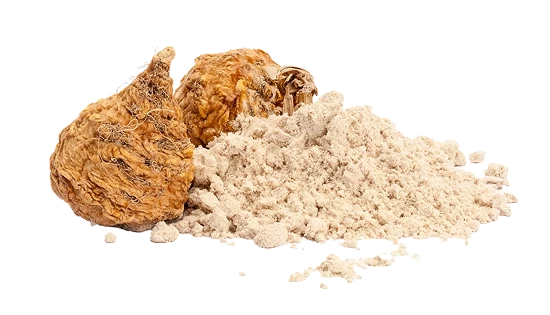
Red maca
Contributes to maintaining healthy sexual function, boosts libido, and has a potentially beneficial effect on fertility. It can also support men's reproductive health and improve physical and mental performance.
Related products
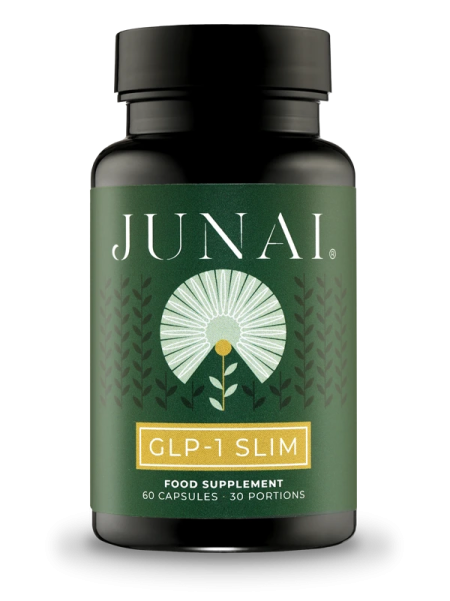
Junai GLP-1 Slim
- It helps regulate blood sugar levels with chromium, which helps stabilize energy reserves.
- Piperine helps with weight management.
- Contributes to carbohydrate metabolism with white mulberry and zinc.
- Zinc contributes to the normal metabolism of macronutrients.
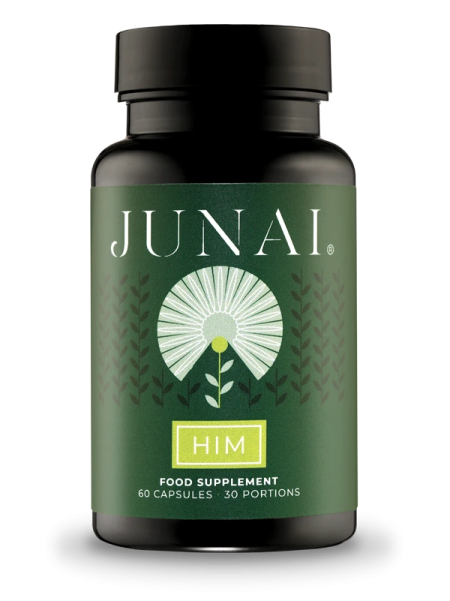
Junai Him
- It leads to faster body regeneration with zinc, which is essential for cell division, and vitamin B6, which is involved in the formation of red blood cells.
- Piperine contributes to increased blood flow, thereby supporting enhanced physical performance during exertion.
- It increases libido and supports optimal well-being, prolonged endurance, and vitality through red maca.
Related posts

Micronutrients: Why Your Body Loves Those Essential Vitamins and Minerals
Micronutrients fuel energy, immunity, and your overall feel-good flow.
