



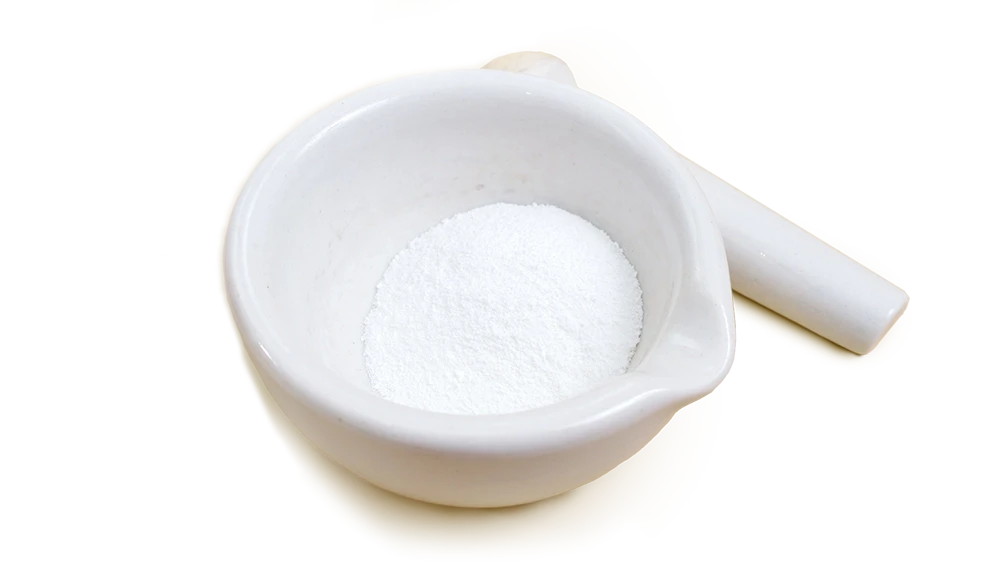
WHAT ARE L-ARGININE AND L-CITRULLINE
L-arginine is a conditionally essential amino acid, which means the body can synthesize it on its own under normal circumstances but cannot always produce enough during periods of high physiological demand, rapid growth, illness, or stress. At those moments, dietary and supplemental sources matter.
Chemically, arginine belongs to the basic amino acid family alongside lysine and histidine, distinguished by a positively charged side chain that makes it particularly reactive and functionally versatile. It is present in virtually every protein-containing food: red meat, poultry, fish, dairy, eggs, nuts, seeds, and legumes all supply it.
Citrulline, named for Citrullus lanatus, the Latin name for watermelon due to the source from which the molecule was originally isolated, is an alpha-amino acid that isn't incorporated into dietary proteins the way arginine is. It circulates freely in the body, performing its own metabolic functions, but its most important role in the context of supplementation is what it becomes: citrulline is converted to arginine in the kidneys, making it a more efficient and more bioavailable route to raising arginine levels than arginine supplementation alone.
Think of it as a way of achieving slow release: taking citrulline along with arginine functionally doubles the half-life of supplemented arginine within your system. That's not a footnote. That is the foundational logic of why these 2 amino acids are almost always discussed and formulated together, and why this page covers both.
Arginine itself has been known to biochemistry since 1886, when it was first isolated from lupin seedlings. Its role as a precursor to nitric oxide (NO) was identified over a century later, in work that contributed to the 1998 Nobel Prize in Physiology or Medicine, awarded to Robert Furchgott, Louis Ignarro, and Ferid Murad for their discovery of nitric oxide as a signaling molecule in the cardiovascular system. For an amino acid that had been sitting in the literature for over a hundred years at that point, that was quite an arrival.
Beyond nitric oxide, arginine participates in the urea cycle (the liver's mechanism for converting toxic ammonia, a byproduct of protein metabolism, into urea for excretion), in the body's natural synthesis of creatine (produced from arginine, glycine, and methionine in the kidneys and liver), and in the production of polyamines (molecules involved in cell growth, proliferation, and tissue repair). It is far from a one-trick amino acid, but, for users of Junai HIM, who need hyperoxygenated blood for both effort and recovery alike, the NO story is, understandably, the one that gets most of the attention.
WHY DO L-ARGININE AND L-CITRULLINE EXIST FOR YOU?
Blood vessels aren't passive pipes, laid through your body as inert pieces of plumbing. They're active, responsive tissue, capable of expanding and contracting in response to the body's moment-to-moment demands. When you exert yourself, when your muscles need more oxygen and fuel, when your heart rate climbs, the vessels supplying working tissue need to widen. That widening is called vasodilation, and it depends substantially on nitric oxide (NO) being produced in adequate amounts by the cells lining your blood vessels.
When NO production is sufficient, blood flows freely where it's needed. Recovery after exertion is faster, your blood pressure sits in a healthier range, and your cardiovascular system can do its job without making a peep. For men, the same vasodilation mechanism that supports cardiovascular health is directly relevant to your erectile function, a connection the research has documented clearly and without euphemism. It's worth repeating, gentlemen: arginine helps dilate ALL your blood vessels, including the ones you'll be happy to keep expanding into your middle age.
When arginine availability is limited, NO production can fall short of demand. Not catastrophically, not overnight, but gradually and pervasively in ways that affect physical performance, recovery, and cardiovascular resilience.
Arginine also exists for a different reason, one that doesn't get nearly enough attention on ingredient pages: it's one of 3 amino acids the body uses to synthesize creatine. If you're already a Creatine HCl Body Redefined user, that connection is worth understanding. If you're not yet, the creatine page is worth a detour: if we had to recommend one single supplement to the whole world, it would be creatine.
But we digress. In short, L-arginine and L-citrulline together exist for the person who wants their cardiovascular system working at its actual capacity, their recovery running at the pace it's supposed to, and their body producing the molecules it needs without having to do extra work to compensate for shortfalls.
WHAT L-ARGININE DOES
L-arginine's effects within the body are largely related to its role as a precursor or building block of other necessary molecules and compounds.
Vasodilation and blood flow
The most direct and well-documented thing arginine does is widen blood vessels. Not dramatically, not in ways you'll feel as a sudden rush, but consistently and measurably, in ways that matter for physical performance, cardiovascular health, recovery, and blood pressure. L-citrulline extends and amplifies this effect by keeping arginine levels elevated for longer than arginine alone would. The 2 together produce a more sustained vasodilatory effect than either achieves independently.
Physical performance and recovery
Better blood flow to working muscle means more oxygen and fuel delivered during exertion, and more waste products cleared efficiently afterward. The practical result is that high-effort output can be sustained a little longer, and the gap between sessions, that period when muscles are sore and depleted, tends to close more quickly. This is not a stimulant effect. There's no jolt, no buzz, no artificial energy. What arginine and citrulline support is the underlying physiology that determines how well the body performs and recovers on its own terms.
Sexual health and erectile function
The same vasodilation mechanism responsible for cardiovascular support is the mechanism underlying arginine's relevance to erectile function. Erections depend on blood flow, and blood flow depends substantially on nitric oxide. The clinical research on arginine and erectile dysfunction is more substantive than most supplement copy lets on, particularly at adequate doses. We handle it the same way we'd handle any other well-evidenced physiological mechanism: directly, without theater.
Creatine synthesis
Arginine is one of 3 amino acids, alongside glycine and methionine, used by the kidneys and liver to synthesize creatine. Creatine is then phosphorylated and stored in muscle and brain tissue as the body's fastest-acting energy reserve. Adequate arginine availability supports this synthesis pathway, contributing to the creatine pool that powers explosive movement and supports cognitive function under load. If you're supplementing Creatine HCl Body Redefined directly, you're working the same system from a different and more targeted angle. The two are complementary, not redundant.
Wound healing and tissue repair
Arginine is concentrated at wound sites and plays a direct role in the proliferative phase of healing: it supports collagen synthesis, immune cell function at the repair site, and the production of polyamines that drive cell proliferation. Surgery, intense training, and injury all increase arginine demand substantially, which is why arginine is one of the amino acids most commonly studied in clinical recovery and surgical nutrition contexts.
HOW L-ARGININE WORKS
How arginine contributes to vasodilation and blood flow
L-arginine is the direct substrate for nitric oxide synthase (NOS), the enzyme family responsible for producing nitric oxide in the body. The isoform most relevant here is endothelial NOS (eNOS), which operates in the cells lining blood vessel walls. When eNOS converts arginine to nitric oxide, the NO diffuses into the adjacent smooth muscle cells of the vessel wall and activates soluble guanylate cyclase, which produces cyclic GMP (cGMP). cGMP triggers the dephosphorylation of smooth muscle's myosin light chains, the regulatory and structural proteins that act as lever arms during muscle contraction, and the resulting widening of the vessel lumen. More vessel width means lower resistance, higher flow, and better tissue perfusion.
This is where L-citrulline's role becomes mechanistically critical. Orally ingested arginine faces a significant obstacle: first-pass metabolism. A substantial portion of dietary arginine is broken down in the intestinal wall and liver before reaching systemic circulation, largely by the enzyme arginase, which converts arginine to ornithine and urea. This limits how much of a given arginine dose actually reaches the endothelium where eNOS operates.
L-citrulline bypasses this problem entirely. It's absorbed intact in the small intestine and converted to arginine in the kidneys via the argininosuccinate pathway, a two-step enzymatic process involving argininosuccinate synthetase and argininosuccinate lyase. Because citrulline isn't a substrate for arginase, it arrives at the conversion step unscathed and produces a sustained, prolonged elevation in plasma arginine levels that oral arginine alone can't reliably achieve. Multiple studies have found that citrulline supplementation raises plasma arginine more effectively than equivalent doses of arginine itself. This is why they're formulated together.
How arginine improves physical performance and recovery
The vasodilation produced by the arginine-NO pathway has direct downstream effects on skeletal muscle performance. Higher blood flow during exercise delivers more oxygen to mitochondria, supporting aerobic energy production and delaying the onset of anaerobic glycolysis (the less efficient energy pathway that produces lactate and contributes to the burning sensation of intense effort). Post-exercise, the same elevated blood flow accelerates the clearance of metabolic waste products and the delivery of substrates needed for muscle protein synthesis and glycogen replenishment.
Citrulline also participates in the urea cycle independently of its role as an arginine precursor. By supporting the conversion of ammonia (a metabolic byproduct that accumulates during intense exercise and contributes to fatigue) into urea for excretion, citrulline helps maintain a cleaner intracellular environment during sustained effort. The combination of improved oxygen delivery, improved waste clearance, and reduced ammonia accumulation combine to produce significant benefits for both performance and recovery.
How arginine powers sexual health and erectile function
Penile erection is a hemodynamic event: it depends on arterial smooth muscle relaxation, increased blood inflow, and restricted venous outflow in the corpus cavernosum. The trigger for arterial relaxation is nitric oxide, released by eNOS in the endothelial cells of the cavernous arteries and by neuronal NOS (nNOS) in the nerve terminals supplying the tissue. The mechanism is identical to systemic vasodilation, localized to specific tissue.
This is why the pharmacological treatments for erectile dysfunction, the PDE5 inhibitors (medications that prevent the breakdown of cGMP), work downstream of the same pathway that arginine and citrulline support upstream. Arginine and citrulline increase NO production and therefore cGMP production. PDE5 inhibitors slow cGMP degradation. The 2 approaches operate on the same molecule at different points. Clinical studies on arginine supplementation in men with mild to moderate erectile dysfunction show measurable improvements, particularly at doses above 3 g/day. At Junai's formulation dose, the contribution is supportive and cumulative rather than acute.
How arginine participates in creatine synthesis
In the kidneys, arginine donates its amidino group (a functional group containing a carbon double-bonded to nitrogen) to glycine in a reaction catalyzed by arginine:glycine amidinotransferase (AGAT), producing guanidinoacetate and ornithine. Guanidinoacetate then travels to the liver, where it's methylated by guanidinoacetate methyltransferase (GAMT) using a methyl group donated by methionine, producing creatine. The creatine is then released into circulation, taken up by muscle and brain tissue, and phosphorylated to phosphocreatine, the high-energy compound that the body uses to regenerate ATP during explosive, high-intensity effort.
Arginine's contribution to this pathway is structural and rate-relevant: without adequate arginine, the AGAT reaction is the bottleneck. At standard dietary intakes, arginine availability is rarely the limiting factor in creatine synthesis for healthy omnivores. For people supplementing Creatine HCl Body Redefined directly, the synthesis pathway is bypassed entirely. For everyone else, adequate arginine means the body's own creatine production runs as efficiently as it can.
How arginine contributes to wound healing and tissue repair
Arginine is transported to wound sites by activated macrophages and concentrated in the local tissue environment, where it serves multiple repair functions simultaneously. Arginase at the wound site converts arginine to ornithine and urea, with ornithine feeding into polyamine synthesis (polyamines are small molecules that drive cell proliferation and tissue remodeling during the repair process) and into proline synthesis (proline is a direct precursor to collagen, the structural protein that gives repaired tissue its mechanical integrity). Separately, neuronal NOS at the wound site converts arginine to NO, which modulates local immune cell activity and promotes angiogenesis (the growth of new blood vessels into healing tissue).
The clinical evidence for arginine's role in wound healing is among the stronger bodies of literature for any single amino acid, particularly in surgical, burn, and pressure ulcer contexts. High physiological demand, whether from surgery, illness, or intensive training, consistently depletes arginine faster than the body can synthesize it, which is part of why arginine is considered conditionally essential rather than fully non-essential.
RESEARCH ON L-ARGININE
EFSA Claims
EFSA's approved health claims for arginine are narrower than the science might suggest, which is not unusual for an amino acid with a broad functional profile. Currently permitted claims:
L-arginine contributes to normal protein synthesis
L-arginine contributes to normal creatine synthesis (in combination with glycine and methionine)
The NO-mediated cardiovascular and performance effects, while well-supported mechanistically and in clinical literature, have not cleared EFSA's bar for approved health claims, partly due to dose-dependency and population heterogeneity in the studies submitted. This is a gap between regulatory caution and scientific consensus that the RESEARCH section acknowledges plainly.
International Studies
The L-arginine-nitric oxide pathway
The foundational review of arginine's role as the substrate for nitric oxide synthase, establishing the mechanistic basis for arginine's cardiovascular effects. Still the reference paper for the pathway.
Citrulline malate promotes aerobic energy production in human exercising muscle
A controlled study demonstrating citrulline malate's effects on aerobic ATP production and post-exercise muscle recovery, with measurable reductions in fatigue perception and improvements in repeat-effort performance.
Establishes citrulline's effect on oxygen uptake efficiency during high-intensity exercise, with implications for both endurance and repeated-sprint performance.
Effect of L-arginine supplementation on erectile dysfunction
A double-blind placebo-controlled study showing significant improvement in erectile function in men with organic erectile dysfunction receiving 5 g/day L-arginine, particularly in those with evidence of impaired NO synthesis at baseline.
Oral L-citrulline supplementation improves erection hardness in men with mild erectile dysfunction
A randomized crossover study demonstrating that citrulline supplementation improved erection hardness scores and patient satisfaction in men with mild ED, with a mechanism attributed to increased plasma arginine and downstream NO production.
A review of arginine's role in immune cell function, wound healing, and tissue repair, covering the arginase and NOS pathways at wound sites and the evidence base in surgical and clinical recovery contexts.
HOW TO USE L-ARGININE
Dietary sources
Red meat, poultry, and fish are the most concentrated dietary sources of arginine, with pork loin, chicken breast, and tuna all delivering several grams per standard serving. Nuts and seeds, particularly pumpkin seeds, peanuts, and almonds, are the most arginine-dense plant sources. Dairy and eggs contribute meaningfully. A diet adequate in protein is generally an adequate diet for arginine, with the caveat that conditionally essential status means demand can outpace even a good diet during illness, heavy training, or recovery from injury.
Dietary citrulline is found in meaningful amounts almost exclusively in watermelon, particularly in the rind, which few people consume enthusiastically or in quantity. Supplemental citrulline is therefore the practical route for anyone trying to raise plasma arginine levels through the citrulline pathway.
Dosage and the honest conversation about it
The clinical literature on arginine's cardiovascular and erectile function effects generally uses doses between 3 and 6 grams per day. Studies on citrulline malate for performance use doses of 6 to 8 grams. These are the ranges where the most consistent effects are documented.
Junai HIM provides 500 mg of L-arginine and 200 mg of L-citrulline per daily serving. This is a meaningful daily contribution to the body's arginine and citrulline pool, and the fermentation-origin amino acids used are highly bioavailable. It is not, in isolation, equivalent to the acute high-dose protocols used in performance studies. What HIM is designed to do is provide consistent, daily support to the NO pathway alongside the other ingredients in the formula, as part of a broader physiological picture rather than a standalone high-dose intervention. If you're looking to supplement arginine or citrulline at clinical trial doses, standalone powders are the practical route.
Forms and bioavailability
L-arginine base is the most straightforward form and well-absorbed at moderate doses. L-arginine HCl is slightly higher in arginine content by weight but can cause gastric discomfort at high doses.
L-citrulline (free form) and citrulline malate (citrulline bound to malic acid) are both well-absorbed, with citrulline malate being the form used in most performance studies. The malate component has its own metabolic role in the citric acid cycle and may contribute to the performance effects independently, though this is still being characterized in the literature. For our bioavailability blog, which covers these absorption distinctions in more depth, it's worth a read.
Timing
Unlike adaptogens, arginine and citrulline are not building toward a slow neuroendocrine shift. They contribute to NO production based on substrate availability: more arginine and citrulline in circulation means more material for eNOS to work with. For performance purposes, taking them 30 to 60 minutes before training is the most commonly studied protocol. For general cardiovascular and daily use, timing matters less than consistency. Taking them with food is fine and may reduce the gastric irritation that higher arginine doses can produce.
Black pepper (piperine) supports amino acid absorption broadly and is present in Junai HIM for exactly this reason. Zinc and vitamin B6, also in HIM, support the broader hormonal and metabolic context within which arginine's effects operate.
HOW AND WHY JUNAI USES L-ARGININE
Junai uses fermentation-derived L-arginine and L-citrulline, both vegan-verified, in Junai HIM at 500 mg and 200 mg per daily serving respectively.
Fermentation origin is the preferred production method for amino acids used in serious formulations. Rather than extracting from animal-derived protein hydrolysates, fermentation produces amino acids through microbial biosynthesis, resulting in a purer, more consistent compound with a cleaner vegan status. It's the same production method used for pharmaceutical-grade amino acids and the reason the vegan claim is verifiable rather than assumed.
The decision to include both arginine and citrulline reflects the bioavailability reality described above. Arginine alone faces significant first-pass degradation by arginase. Citrulline alone produces arginine in the kidneys but starts a step further back. Together, they provide both immediate substrate for eNOS and a sustained-release mechanism that keeps plasma arginine elevated longer than either achieves on its own. Formulating one without the other would be a choice to leave performance on the table.
Within HIM, arginine and citrulline anchor the vasodilation and blood flow story. Red maca covers the reproductive health and libido territory through a distinct hormonal mechanism. Zinc supports testosterone synthesis and sperm health. Vitamin B6 contributes to hormone metabolism and red blood cell production. Black pepper supports absorption across the formula. Each ingredient has its lane. Arginine and citrulline own the vascular one.
WHO NEEDS L-ARGININE
People with active training schedules who want to support blood flow, oxygen delivery, and post-session recovery without stimulants
Men concerned with cardiovascular health, particularly those with blood pressure in the higher end of the normal range, where NO-mediated vasodilation has the most room to make a difference
Men experiencing or wanting to proactively address mild erectile dysfunction, where the vasodilation mechanism is well-documented and the evidence base for arginine and citrulline is more substantive than most supplement marketing suggests
People recovering from illness, surgery, or significant physical trauma, where arginine demand outpaces endogenous production and dietary arginine status becomes genuinely relevant
Athletes and high-output exercisers wanting consistent NO pathway support as part of a broader performance foundation
Anyone supplementing creatine HCl who wants to understand how arginine contributes to the same energy system through a different and complementary mechanism
People following plant-based diets with limited intake of the highest-arginine foods and no practical route to dietary citrulline
WHAT TO EXPECT WITH L-ARGININE
Arginine and citrulline don't announce themselves the way stimulants do. There's no jolt, no sudden clarity, no moment where you feel the NO kick in. What they do is shift the baseline conditions under which physical effort happens.
For performance and recovery, most people who respond to arginine and citrulline report that high-effort output feels a little more sustainable, that the drop-off from set to set or interval to interval is a bit less steep, and that the soreness and depletion window after sessions is shorter. These are not dramatic effects and they're not universal: response varies with baseline arginine status, diet, training load, and individual NOS activity. The people who notice the most are often those whose baseline was most limited to begin with.
For cardiovascular health and blood pressure, effects at supplemental doses are modest and accumulate over weeks to months of consistent use. This is not the territory of acute intervention. It's the territory of gradual, daily support.
For erectile function, the clinical studies showing positive effects used doses substantially higher than what HIM provides per serving. At HIM's formulation dose, the contribution is part of a broader formula designed for daily, cumulative support. Men seeking targeted high-dose intervention for erectile dysfunction should consult a healthcare provider rather than relying solely on any supplement formulation.
For creatine synthesis support, the effect is background and indirect. It is not something you'll feel separately. If you want to feel creatine, supplement creatine HCl directly.
CONTRAINDICATIONS
Arginine and citrulline are well-tolerated amino acids with a strong safety profile at normal supplemental doses. The following are worth knowing:
Herpes simplex virus (HSV): Arginine is required for HSV replication. High-dose arginine supplementation can trigger outbreaks in people with latent HSV-1 or HSV-2 infection. People with a history of cold sores or genital herpes should be aware of this interaction and consider whether high-dose arginine supplementation is appropriate for them. At HIM's formulation dose, the risk is lower than at the gram-level doses studied for performance, but it's not zero.
Blood pressure medications and nitrates: Arginine and citrulline lower blood pressure through NO-mediated vasodilation. People taking antihypertensive medications or nitrate-based medications (including medications for angina) should consult a healthcare provider before adding arginine or citrulline supplementation, as the combined vasodilatory effect can produce excessive blood pressure reduction.
PDE5 inhibitors (sildenafil, tadalafil, vardenafil): Arginine and citrulline act upstream of the same cGMP pathway that PDE5 inhibitors act on downstream. The combination can amplify vasodilation significantly. People taking PDE5 inhibitors should not combine them with high-dose arginine or citrulline supplementation without medical guidance.
Gastric discomfort at high doses: Arginine at doses above 3 g can cause nausea and diarrhea in some people. At HIM's formulation dose, this is not a practical concern. For people supplementing standalone high-dose arginine, taking it with food substantially reduces the incidence.
Post-myocardial infarction: A 2006 study found increased mortality in patients given arginine supplementation after acute myocardial infarction. The mechanism isn't fully understood, but arginine supplementation in the immediate post-heart attack period is not recommended. People with recent cardiac events should not supplement arginine without explicit medical clearance.
If you experience unusual symptoms after beginning arginine or citrulline supplementation, discontinue use and consult a healthcare professional.
QUICK RECAP OF L-ARGININE AND L-CITRULLINE
L-arginine is a conditionally essential amino acid and the direct substrate for nitric oxide synthase (NOS), the enzyme that produces nitric oxide in blood vessel walls, driving vasodilation and improved blood flow
L-citrulline is converted to arginine in the kidneys via the argininosuccinate pathway, bypassing the first-pass arginase degradation that limits oral arginine's bioavailability, and produces a more sustained elevation in plasma arginine than arginine supplementation alone
Together, arginine and citrulline support endothelial nitric oxide production, with arginine providing immediate substrate and citrulline extending the supply, producing a combined vasodilatory effect neither achieves independently
The NO-mediated vasodilation supports physical performance through improved oxygen delivery and waste clearance during exercise, and recovery through faster post-exertion tissue reperfusion
The same mechanism underlies arginine's relevance to erectile function: erections are hemodynamic events dependent on NO-triggered smooth muscle relaxation in cavernous arterial tissue, and the clinical evidence for arginine and citrulline in mild erectile dysfunction is more substantial than supplement copy typically acknowledges
Arginine is one of three amino acids required for the body's endogenous creatine synthesis, donating its amidino group to glycine in the kidneys to produce guanidinoacetate, the direct creatine precursor
Arginine supports wound healing and tissue repair through polyamine synthesis (cell proliferation), proline synthesis (collagen production), and NO-driven angiogenesis at the repair site
Junai uses fermentation-derived L-arginine (500 mg) and L-citrulline (200 mg) per daily serving in Junai HIM, verified vegan, alongside zinc, red maca, vitamin B6, and black pepper
People with a history of herpes simplex virus should be aware of arginine's role in HSV replication; those on antihypertensives, nitrates, or PDE5 inhibitors should consult a healthcare provider before adding arginine or citrulline supplementation
The Nobel Prize-winning discovery of nitric oxide as a signaling molecule was, in no small part, a discovery about what arginine does in blood vessel walls
Related ingredients
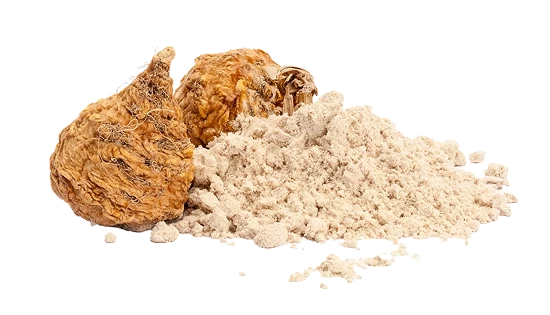
Red maca
Contributes to maintaining healthy sexual function, boosts libido, and has a potentially beneficial effect on fertility. It can also support men's reproductive health and improve physical and mental performance.
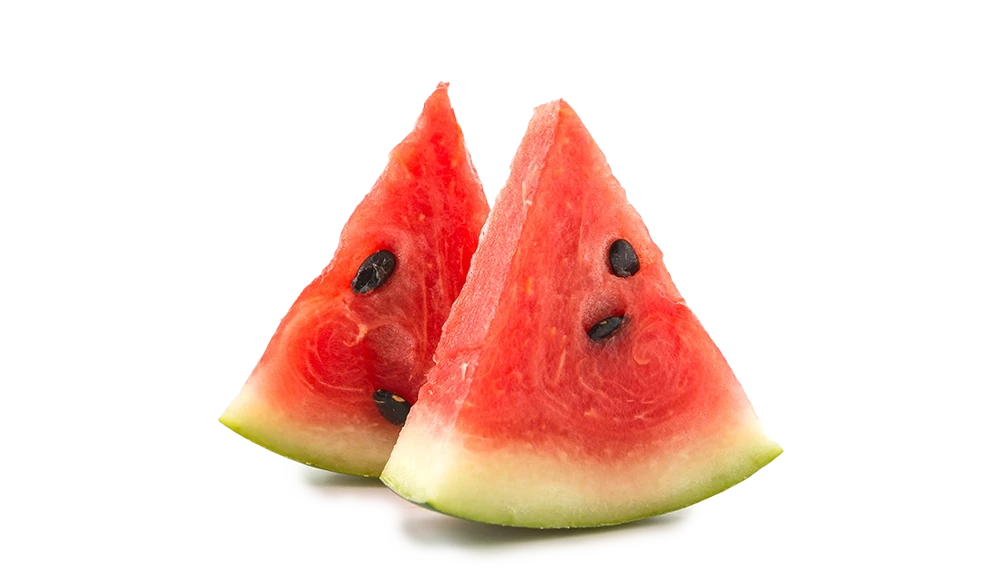
L-citrulline
L-citrulline is an amino acid that occurs naturally in some foods, especially in watermelons. In the body, it is converted into another amino acid, L-arginine, which is a precursor of nitric oxide. Nitric oxide directly affects blood circulation and can positively influence heart health and lower blood pressure.
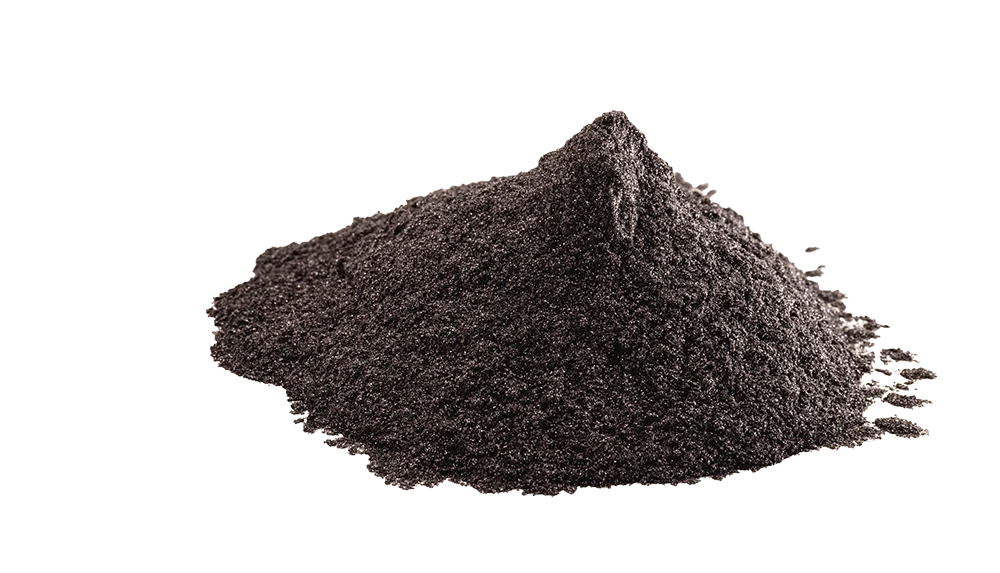
Zinc
Zinc contributes to the normal metabolism of macronutrients, the metabolism of carbohydrates, proteins, and fats, strengthens the immune system, and protects cells from oxidative stress.
Related products
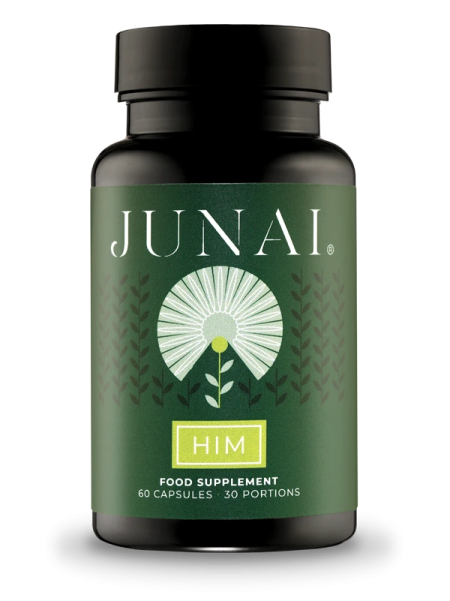
Junai Him
- Support faster body regeneration with zinc, which is essential for cell division, and vitamin B6, which helps in the formation of red blood cells.
- Piperine contributes to increased blood flow, and with that, to a more capable body during physical exertion.
- It increases libido and supports optimal well-being, extended endurance, and vitality through red maca.
Related posts

The Power of Breathing
Your breath can boost your health, calm your stress, and fuel your energy.

Micronutrients: Why Your Body Loves Those Essential Vitamins and Minerals
Micronutrients fuel energy, immunity, and your overall feel-good flow.
