




What Is Creatine?
Creatine is an organic compound and amino acid derivative, formed in the body by glycine, L-arginine, and methionine. It is responsible for recycling ATP within brain and muscle cells, meaning it facilitates the cellular supply of immediately usable energy. One of the most well-known and most abundantly studied supplements on earth, it can provide incredible physical and mental benefits when taken the right way.
Isolated from skeletal muscle in 1832, studies nearly a century later showed that the body can store quantities of it, leading to interest in developing it as a supplement. Research from the early 1900s had shown that creatine supplementation led to improved physical performance, but it wasn't until the 1990s that it exploded in popularity. Two things led to its massive popularization, namely some high-profile Olympic athletes attesting to creatine use, along with the rise of more practical, easy-to-use creatine products aimed at athletes and gym-goers.
Why Creatine Exists for You
Creatine has been historically recommended to gym rats who have plateaued: they have gotten as far as they can get on a healthy diet, regulated sleep schedule, and regular workouts, and now they need a push to help them clear a hurdle.
But modern understanding of how creatine works has reshaped this thinking. While it's still definitely useful for helping you push past a local strength limit, today's creatine user is much broader than they used to be. Now it is regularly recommended for you if:
Your recovery takes too long
You are exhausted even after adequate sleep
You would simply like to perform better without stimulants or other aggressive substances
Many women in perimenopause and menopause are increasingly exploring creatine for support with cognitive performance, training output, and healthy aging. It is reportedly useful in clearing hormone-related brain fog and it is effective for women looking to proactively address their skeletal health before any potential effects of osteoporosis even start showing.
Creatine is for anyone who wants more performance for their investment of time and energy, anyone who has hit a plateau at the gym, anyone who wants more output from the same body, and anyone looking for a simple, stimulant-free way of combating the skeleto-muscular effects of aging.
What Creatine Does
Creatine's primary role is helping the body recycle ATP, your cells' immediate source of usable energy, as discussed at length in the following sections. In short, cells use ATP for immediate energy needs, converting it into ADP in the process. Creatine is one of the key molecules responsible for replenishing ATP and thus resupplying cells with consumable energy.
That's what it already does in normal bodily processes and production. When ingested as a supplement, this has the effect of supporting bodily systems that make possible:
Explosive movements like jumping, sprinting, and snatching
Faster and easier regeneration, as cells are able to replenish their energy stores more readily
Other research has shown, through basically the same mechanism of resupplying energy-hungry cells with fuel, that creatine supports cognitive performance during periods of stress, sleep deprivation, or heavy mental load.
While lending its performance-related benefits at the cellular level, it also acts as an osmotic agent, drawing water into individual cells and making them look fuller, leading to creatine's known effect of making muscles seem swole.
How Creatine Works
Forewarned is forearmed: this section gets a little bit sciencey. We'll try to keep the language readable, but the science itself will not be watered down.
Creatine's Role in ATP Regeneration
Adenosine triphosphate, or ATP, is the body's immediate energy currency. Every movement, thought, muscle contraction, and cellular process depends on it.
The problem is that your cells only store very small amounts of ATP at any one time. During high-intensity exercise, those stores can be depleted within a matter of seconds.
As ATP is used, it loses one phosphate group and becomes ADP, or adenosine diphosphate. In order to be used again, that ADP must regain its lost phosphate group and be converted back into ATP.
Phosphocreatine (read below) is waiting expectantly, existing solely as a form of storage for spare, loanable phosphate groups. When ATP runs low, phosphocreatine rapidly donates one of its phosphate groups back to ADP, regenerating ATP almost instantly.
This is why creatine is often described as an energy buffer: it helps stabilize ATP availability during periods of sudden demand, preventing your cells from running out of immediately usable energy too quickly.
The Phosphocreatine System
The phosphocreatine system is the body's fastest energy-replenishing system. It is responsible for powering very short, explosive, anaerobic bursts of activity like jumping, sprinting, punching, accelerating, or lifting heavy weights in low-rep sets.
During such efforts, the body cannot produce ATP quickly enough through aerobic energy production alone. Instead, it relies on stored phosphocreatine to rapidly refill ATP reserves.
The more phosphocreatine your muscles have available, the longer they can maintain high output before power begins to drop off. And the more creatine freely available in your body, the more phosphocreatine can be produced.
Role of Creatine Kinase
The enzyme responsible for transferring phosphate groups between phosphocreatine and ATP is called creatine kinase.
Its job is simple but crucial: when ATP is depleted, creatine kinase helps move a phosphate group from phosphocreatine back onto ADP, allowing ATP to be regenerated almost instantly.
Phosphocreatine needs kinase to become immediate, usable energy.
Strength, Power, and Repeated Sprint Performance
Because creatine helps maintain ATP availability, it is especially useful for activities involving repeated short bursts of high effort.
This includes:
Weight training
Sprinting
Repeated intervals
Team sports
Martial arts
Explosive athletic movements
Creatine does not make you stronger overnight: what it does do is reduce the drop-off in power that usually happens from set to set, sprint to sprint, or rep to rep.
Over time, and all other things (sleep schedules, nutrition, health conditions) being equal, that translates directly into improved training capacity, which leads indirectly to greater total muscle volume, improved recovery between efforts, and eventually greater strength and muscle gain.
Muscle Saturation
When you supplement creatine consistently, your muscles gradually increase the amount of creatine they store.
This is known as muscle saturation.
Once your muscles become more saturated with creatine, they have a larger reserve of phosphocreatine available for ATP regeneration.
People who already eat a lot of meat may begin with higher creatine stores, while vegetarians and vegans often have lower baseline levels and may notice larger benefits from supplementation.
Cell Hydration and Volumization
Creatine also acts as an osmotic agent, drawing water into muscle cells. This is one reason muscles often appear fuller after consistent creatine use.
That increased cellular hydration may also act as a signal that supports muscle growth and recovery. Research has suggested that cell volumization may influence anabolic pathways linked to muscle protein synthesis, including mTOR and IGF-1 signaling.
Neurological and Cognitive Support
Researchers first became interested in creatine's effects on the brain because the mechanism made intuitive sense. Just like muscles under physical stress, the brain is an energy-hungry organ with a constant demand for ATP.
It therefore made sense that increasing creatine stores in the brain could help support mental performance during periods of high demand.
Some research suggests creatine may be especially useful during:
Sleep deprivation
Heavy mental workloads
Stress
Aging
Vegetarian or vegan diets
Researchers have also identified several other mechanisms that may help explain creatine's potential neurological effects:
Mitigation of excitotoxicity: creatine may help reduce glutamate-induced toxicity and excessive calcium influx, both of which are associated with neuron damage.
Reduced neuroinflammation: some studies suggest creatine may help reduce inflammatory signaling and microglial activation in the brain.
Neurotransmitter modulation: creatine may interact with NMDA and GABA receptors, helping regulate excitability in the nervous system.
mTOR pathway activity: early evidence suggests creatine may influence signaling pathways involved in synaptic plasticity, mood, and brain resilience.
Research on Creatine
As stated a few times already so far, creatine is one of the most studied sports nutrition ingredients in the world. There are quite literally hundreds of studies support its use for strength, power, lean mass, and recovery. Emerging evidence also suggests benefits for cognition, memory, and mental fatigue, among other things.
EFSA
Despite countless studies on the applications and efficacy of creatine, the European Food Safety Authority (EFSA) only has 2 claims approved about it:
Creatine increases physical performance in successive bursts of short-term, high intensity exercise.
For adults over 55, creatine, combined with resistance training, can improve muscle strength.
Most recently, in late 2024, EFSA reviewed a new Article 13(5) application for creatine and cognitive function and rejected it. They acknowledged positive findings at very high short-term doses like 20 g/day, but concluded there was not enough consistent evidence to establish a cause-and-effect relationship and recommended standard dosages for improved cognition in the general population.
Supporting note
The beneficial effect is obtained with a daily intake of 3 g of creatine.
International Studies
There are so many studies on creatine that we encourage you to spend some time on PubMed Central, ResearchGate, or Google Scholar browsing for yourself. Here are just a handful of articles to jumpstart your research:
Strength and power
Creatine Supplementation and Exercise Performance: A Brief Review
Muscle recovery
Creatine for Exercise and Sports Performance, with Recovery Considerations for Healthy Populations
Lean muscle support
The Effect of Creatine Supplementation on Lean Body Mass with and Without Resistance Training
Sprint performance
Creatine supplementation improves sprint performance in male sprinters
Brain health and creatine
Aging and healthy muscle maintenance
Female performance and hormonal phases
Creatine and menopause
How to Use Creatine*
The key takeaways before even reading the rest of this section are dosage and consistency:
take 3-5 grams of creatine every day, even on rest days.
*This section specifically refers to the creatine HCl that Junai sells. For other creatine forms and formulations, refer to the instructions of that supplier.
Daily serving amount
3-5 grams, dissolved into the drink of your choice.
Before or after training
Doesn't matter in the slightest. Creatine isn't a preworkout elixir. It's key that your muscles are saturated, so all that's important is that you find a consistent daily routine that works for you.
Loading phases
Loading phases are a thing of the past. Older formulations of creatine required a phase at the beginning where you needed to take 4 to 5 times the regular dosage to oversaturate the muscles. Better formulations have put loading phases into retirement.
Rest days
There's no such thing as rest days!!! Just kidding, of course, rest days are absolutely necessary, but forgive us one gymbro joke. If you can't make a gymbro joke on a page about creatine, well then where can you?
Jokes aside: take your creatine on rest days, too, as your muscles need to be saturated for the proper effects.
Hydration
For most of Junai's products, we recommend taking them with 200 ml/7 oz/half a glass, but with creatine, we'll go ahead and recommend doubling that at least. Also be sure to keep hydrated during the day. One of creatine's mechanisms is in drawing water into cells, so your body has extra hydration demands while taking it.
Traditional use
Creatine's explosion into popularity in the 1990s made it quickly and inseparably associated with muscleheads and bodybuilding gymrats. The only desired effect was in how it made muscles bigger and stronger. It was so ubiquitous in gyms that you couldn't always tell whether errant white powder on the floor was chalk or creatine.
You needed long loading phases at the beginning and the form of creatine available was a clumpy, hardly soluble mess that often led to bloating and other uncomfortable gastrointestinal issues.
Modern use
The mountains of research done on the effects of creatine, paired with work on the development of different, more soluble and bioavailable forms of creatine, have transformed who uses creatine and how. If its first era was dominated by jacked dudes at the gym, the second generation of users includes athletes of all sorts, sizes, genders, and disciplines. And not just athletes, as studies have shown creatine's many benefits for cognitive support under heavy load, healthy aging, and plenty of other things.
Modern formulations dissolve in water better and are more convenient, and so are much more easily incorporated into normal daily routines. One of the most interesting aspects of modern usage is how much we're discovering about the benefits of creatine on women.
Different Types of Creatine
Not all creatines were created equal. Several types of creatine have appeared over the years, each promising something slightly different: better absorption, easier digestion, less bloating, or faster results.
The original and most widely studied form is creatine monohydrate. This is the type of creatine with by far the most research behind it. It is effective for improving strength, repeated sprint performance, recovery, and muscle output. It comes with its drawbacks, though: monohydrate usually requires larger serving sizes, is not especially soluble in water, and often requires a so-called loading phase, with exaggerated servings of 15-20 g per day for the first week to saturate muscle stores more quickly.
Those larger serving sizes can cause a host of problems in many people. Dismissing the slight annoyance that monohydrate is more likely to leave sediment at the bottom of a shaker, more importantly it can cause stomach discomfort, or create a bloated, heavy feeling from extra water retention. Those downsides are exactly why newer forms of creatine have emerged over time.
Buffered creatine, creatine ethyl ester, nitrate-bound creatine, and magnesium creatine have all been developed in an attempt to improve absorption or reduce side effects. Some people prefer some of them, but the research behind many of these forms is limited or inconsistent. Creatine ethyl ester has actually been shown to be worse than monohydrate in its effects.
Creatine HCl stands out because it is significantly more water-soluble than monohydrate and because it works at much smaller serving sizes. It mixes more easily, is less likely to cause bloating or digestive discomfort, and does not require a loading phase. For people who want a cleaner, more efficient, more convenient creatine routine, it is often the most practical choice.
How and Why Junai Uses Creatine
The creatine Junai uses is pure, 100% creatine hydrochloride. The choice to include creatine in our product line was as clear as day. There are few other ingredients on earth that do so much, so reliably, with so much research unequivocally backing them up.
Creatine fits like a glove with the Junai philosophy: all we want for ourselves and our customers is to get more out of the same 24 hours. To be able to throw ourselves at this life and this world with the same gusto and energy tomorrow that we did today, without having to spend days recovering and nursing our wounds. We want our customers to feel sharper, stronger, and more capable tomorrow than they do today. Creatine feels almost like a cheat code for all those things.
Who Needs Creatine?
As explained above, literally everybody needs creatine. Without creatine neither the brain nor the muscles get the energy they need to grow, develop, and be maintained properly. People with rare creatine deficiency syndromes always experience serious neurological and developmental problems.
Just because we all need creatine, though, doesn't mean we all need creatine supplementation. Truth be told, though, if we had to recommend just one single product that we sell to all audiences, of all genders, and all ages, it would be creatine. That said, it is especially recommended for:
People who train hard and want to keep doing so at a high level
People who want better recovery and regeneration both between sets and between sessions
People who feel physically depleted despite seemingly eating right and sleeping sufficiently
Busy professionals under mental stress and high cognitive load
Men who want more power, endurance, and fuller-looking muscles
Women over 35 who want to get a head start on the hormonal changes perimenopause and menopause bring
Older adults who want to maintain their strength, functional mobility, and skeletal security
Vegans, vegetarians, and anyone else whose diet lacks meat
Vegans and Vegetarians
Creatine was originally named for the Ancient Greek word for meat, namely κρέας (kreas), as creatine is primarily found in meat and fish. As a result, people with little to no meat in their diet are often already starting from a position of having a lower creatine baseline than omnivores. This has the interesting effect that, since vegans and vegetarians might be starting from a position of lower baseline stores of creatine, they might also notice the most drastic improvements in results.
Baseline creatine stores have a lot to do with the variations in effects experienced in the timeline in the next section.
What to Expect with Creatine
The rough timeline below is specifically for creatine hydrochloride. Expectations are slightly different with creatine monohydrate, which requires, among other things, a loading phase, which is emphatically not discussed here.
Rough timeline
First few workouts:
Better top-end output during hard sets, sprints, intervals, or explosive movements
Slight improvement in recovery between repeated efforts
Some people notice a fuller muscle feel due to increased intracellular water
After 1-2 weeks of daily use:
Better consistency across workouts
Less drop-off in strength or power from set to set
Improved ability to push through demanding sessions without fading as quickly
After 3-4 weeks:
Higher training volume and better repeat performance
More noticeable improvements in strength, sprint work, and explosive output
Better recovery between sessions, especially when training multiple times per week
Important note on what NOT to expect
Creatine isn't a stimulant, it isn't steroids, and it isn't some magic preworkout elixir. You're not going to take it once and suddenly come storming into the gym like the personified version of the Hulk and Flash together, tearing weights off their racks and hurling them around like toothpicks. Your biceps and abs won't be ripping through your t-shirts after a week.
Creatine's effects build gradually as muscle creatine stores rise over time. One thing we can assure you: creatine's effects are nearly universal. Add it to your workout schedule or stressful work environment and, in time, you will notice effects. Slowly, perhaps, but also surely, your muscles will feel fuller, be capable of more, and recover more quickly, and that brain fog will fade into distant memory.
Quick Recap of Creatine
Far more than just one more powder used by gym rats and muscle heads, creatine:
Is backed by nearly 2 centuries of research starting back in 1832
Is crucially involved in processes that provide you with energy at the cellular level
Is produced naturally by the body and incorporated into the phosphagen and ATP recycling process
Supports strength and high-intensity performance by increasing the rate at which cells are refuelled with energy
Helps muscles recycle energy faster, leading to improved training output and reduced recovery times (both between individual sets and between workout days)
Has been shown to support mental clarity and focus, helping to relieve the brain of fog and maintain output during increased cognitive load
Is being increasingly recommended for women over 35, among other things to start warding off osteoporosis
Is especially recommended for vegans and vegetarians, who already have lower baseline creatine levels
Is a safe and simple daily habit with both short-term and long-term benefits
Related ingredients
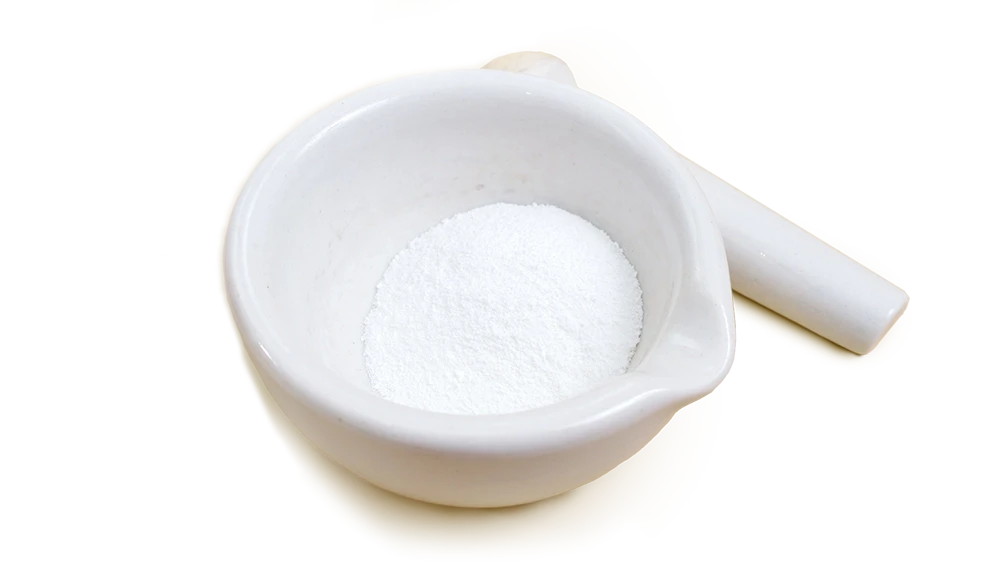
L-arginine
L-arginine is one of the essential amino acids that plays a role in protein synthesis in the body. In metabolic processes, it has a key role as a precursor of nitric oxide (NO), a molecule involved in vasodilation and the regulation of blood vessel walls as well as various signaling pathways in the organism. Properly functioning blood vessels are a prerequisite for performance and recovery.
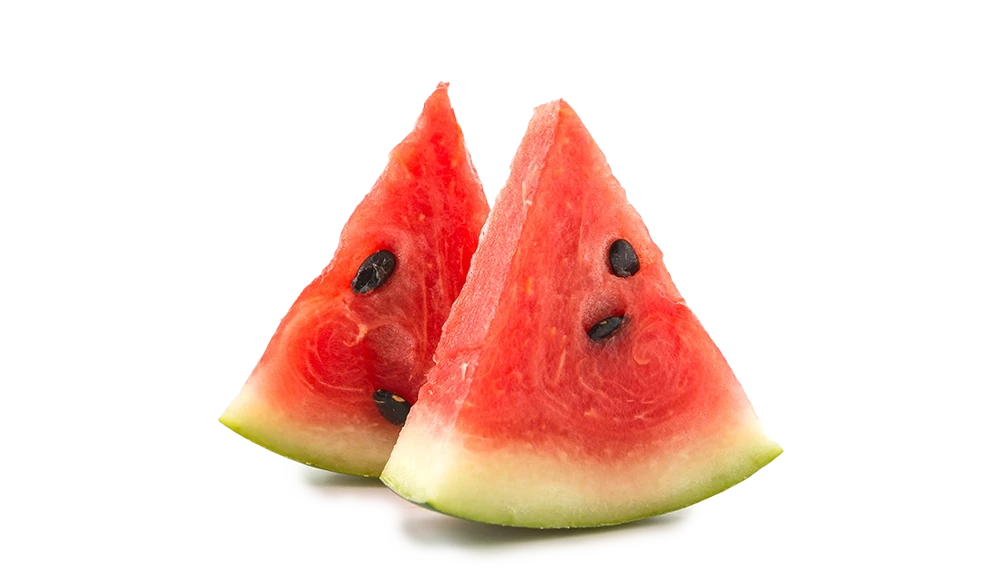
L-citrulline
L-citrulline is an amino acid that occurs naturally in some foods, especially in watermelons. In the body, it is converted into another amino acid, L-arginine, which is a precursor of nitric oxide. Nitric oxide directly affects blood circulation and can positively influence heart health and lower blood pressure.
Related products
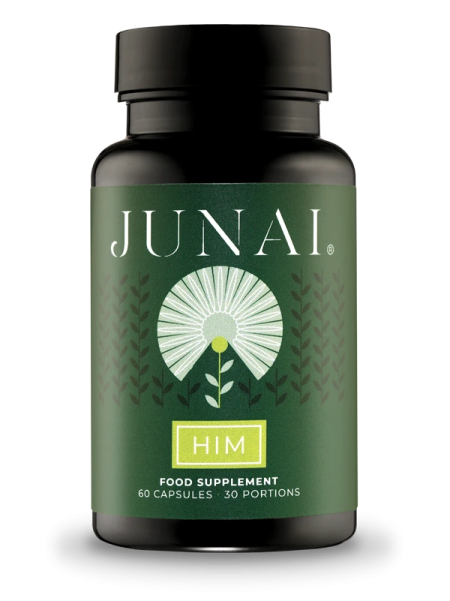
Junai Him
- Support faster body regeneration with zinc, which is essential for cell division, and vitamin B6, which helps in the formation of red blood cells.
- Piperine contributes to increased blood flow, and with that, to a more capable body during physical exertion.
- It increases libido and supports optimal well-being, extended endurance, and vitality through red maca.
Related posts

Biohacking intro
Take your base state to a new level by controlling when, what, how, and how much you put in your body.

The Athletic Mindset
Getting the best out of your body often starts not in the kitchen and not in the gym, but right in your own mind.
