



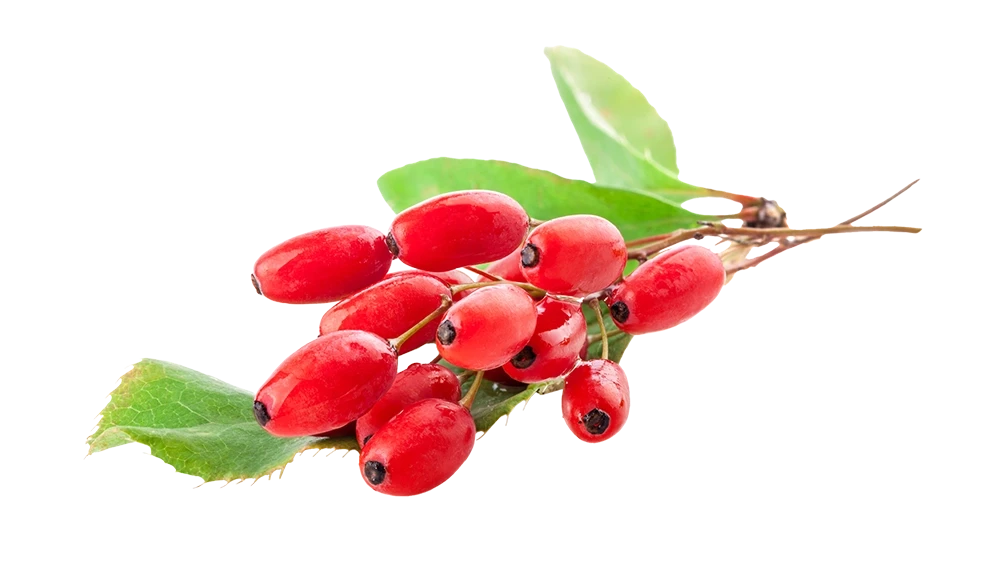
WHAT IS BERBERINE
Berberine is the star compound found in barberry species, most prevalent in the Indian barberry (Latin: Berberis aristata). Berberis aristata is a thorny, deciduous shrub that grows at altitude. You'll find it all across the Himalayan foothills, from northern India through Nepal, and even down into parts of Sri Lanka, taking root at elevations where the air thins and the soil doesn't forgive much. It grows to about 2 meters tall, with grey-brown bark, tripartite spines, and clusters of small yellow flowers that give way to dark purplish, oblong berries, which turn red when ripe. But cut into root or stem and you'll find the glowing hue that gives the plant away immediately: a vivid, almost aggressively yellow wood. That yellow is berberine.
Berberine is an isoquinoline alkaloid, a class of nitrogen-containing plant compounds with a long history of biological activity in human tissue. It concentrates most densely in the roots and stem bark of Berberis aristata, which is why root extract is the industry's gold standard. The compound has been isolated, studied, and refined considerably since the plant first appeared in Ayurvedic texts as daruharidra, which literally means turmeric wood, after the vivid gleam within. Ayurveda used berberine for everything from gastrointestinal infections to wound healing, eye conditions, and fever. The traditional practitioners didn't have the slightest idea that they were working with what would later be identified as an AMPK activator. They just knew it worked.
One of the things that makes barberry and berberine unusual is extent to which the compound interacts with the body. It does not provide, like ashwagandha or reishi, some gentle adaptogenic nudge towards a more comfortable baseline, and it is not a micronutrient filling a gap in an otherwise deficient system. Instead, berberine interacts directly and significantly with some of the most consequential metabolic machinery in the human body, and modern biochemistry has spent the last two decades figuring out exactly why the people who used this plant for centuries were onto something important.
Once more before reading on: berberiS is the plant, and berberiNE is the molecule.
Junai SLIM capsules

WHY BERBERINE EXISTS FOR YOU
The modern metabolic environment is rough on a person. Sitting all day long within arm's reach of refined carbohydrates, too little time to invest in a healthy and vitamin-rich meal, chronic low-level stress, and sleep schedules that respect neither chronotype nor fatigue levels have significantly moved the goalposts on what "normal" blood sugar, normal energy, and normal body composition even mean anymore. It's not that most people have dangerous blood sugar or lipid and cholesterol levels, but almost everyone is dealing with a few extra pounds, some insistent tummy fat that just won't be banished through exercise, and the low burn of stress-induced inflammation. These things don't all show up as a diagnosis, but they absolutely take their toll on health and happiness.
Berberine exists to help you stride confidently over the last few yards to your target.
It exists for the person managing blood sugar who wants a mechanistically serious tool, not a chromium capsule and a prayer. It exists for the person whose lipid panel comes back with a raised eyebrow from their doctor but not yet a prescription. It exists for the otherwise fit, active person who has started paying attention to their inflammation markers and wants something with actual science behind it rather than a wellness industry that has turned "anti-inflammatory" into nothing more than a vapid buzzword. And it exists, increasingly, for the person who has started thinking about cellular efficiency and longevity not as abstract future concerns but as things worth tending to now.
Berberine has been addressing these problems, in one form or another, for centuries. Ayurvedic physicians reaching for daruharidra to calm a fevered gut were, without knowing it, deploying one of the most metabolically active compounds in the botanical world. The mechanism hasn't changed, now we just know how to describe it at the molecular level.
WHAT BERBERINE DOES
In short: berberine regulates blood sugar, lowers LDL cholesterol, reduces visceral fat, supports gut microbiome health, and activates AMPK for cellular energy and anti-inflammatory effects.
Let's take a look at each of those things in a little more detail below:
Blood sugar and insulin regulation
Not everyone can take a meal while walking or sitting at the computer, forget that they even ate, and then continue with their day like nothing happened. Many people have far bumpier metabolic responses; a meal hits the stomach, blood sugar climbs, insulin rushes in, and the body overreacts, underreacts, or just generally handles the whole digestive process less gracefully than it could. The result is the familiar post-meal slump, the afternoon brain fog, the craving that arrives exactly 90 minutes after lunchtime like clockwork. Berberine smooths that curve. It helps the body receive glucose more efficiently, respond to insulin more sensitively, and move through the digestion process more smoothly and comfortably. Meals stop being metabolic events that require mental energy and planning. They start being just meals.
Lipid and cholesterol management
Berberine has a strong and well-documented relationship with the numbers on a lipid panel. It helps move LDL cholesterol and triglycerides in the right direction while leaving HDL largely intact. It does so through a mechanism that is genuinely distinct from the pharmaceutical tools most commonly deployed for the same job. For people watching those numbers without yet being medicated for them, berberine serves as a powerful ally.
Cellular energy and inflammation
People taking berberine for blood sugar often notice, after a few weeks, that something else feels different too. Their joints feel a little quieter and recovery and regeneration seem a little easier to attain. That's not a coincidence. That's berberine doing its thing at the cellular level. Berberine activates a switch that governs how cells produce and consume energy, and that same switch has a significant dampening effect on the inflammatory signals that quietly accumulate when metabolism is under strain. The result is a body that feels lighter while on its way to actually becoming lighter.
Weight and body composition
Though not a dedicated fatburner, berberine actively involves itself in how the body decides to store energy, specifically as fat, nudging that decision consistently toward oxidation. Over time, and paired with its capacity for stabilizing blood sugar, this shows up as reduced fat accumulation, particularly around the abdomen, which is exactly where visceral fat likes to settle and exactly where you most likely want it gone.
Gut microbiome support
The research on how berberine interacts with the gut biome is younger than research on its purely metabolic effects, but studies are pointing somewhere interesting. Berberine appears to selectively shift the balance of gut bacteria in ways that support a healthier microbial environment, with downstream effects on digestion, inflammation, and possibly even mood. This is emerging science and we'll say so plainly, but the evidence has been consistent enough for it to be taken seriously.
HOW BERBERINE WORKS
One of the reasons berberine has gathered so much interest in recent years is for the variety of pathways it operates across, helping stabilize blood sugar and meaningfully alter lipid panel results through largely separate mechanisms.
Blood sugar and insulin regulation
AMPK, or adenosine monophosphate-activated protein kinase, is the enzyme that functions as the body's master fuel gauge. When cellular energy is low, AMPK switches on a coordinated response that increases glucose uptake and reduces the liver's tendency to manufacture new glucose from scratch, a process called gluconeogenesis. Berberine activates AMPK directly, mimicking the signal the body sends during caloric restriction or intense exercise, without either of those things needing to happen first. [1]
The practical result is twofold: in muscle tissue, berberine drives the translocation of GLUT4 glucose transporters to the cell surface, which means more glucose is pulled out of the bloodstream and into cells where it can actually be used. In the liver, it suppresses gluconeogenesis, reducing the background glucose production that keeps fasting blood sugar elevated even when you haven't eaten. Together, these 2 actions produce the smoother post-meal curve and improved fasting glucose levels, the baseline blood sugar reading taken before any food has been consumed, that berberine's clinical record consistently shows.
This is also where berberine earns its mention in comparison to metformin, the most widely prescribed drug for type 2 diabetes management globally. Metformin operates through a partially overlapping mechanism, also targeting hepatic glucose production via AMPK-related pathways. Several head-to-head studies have put berberine and metformin in the same trial and found comparable outcomes on HbA1c and fasting glucose.
To be unmistakably clear: berberine is not a pharmaceutical and by no means do we make the claim that it should replace one. But its mechanism is not folk medicine; it's serious biochemistry that serious researchers have taken seriously for going on 2 decades, now.
Lipid and cholesterol management
Berberine's effect on lipid levels runs through a mechanism largely separate from its AMPK activity, which is part of what makes the compound unusually versatile. The primary driver here is PCSK9 inhibition. [2] PCSK9 is a protein that degrades LDL (low-density lipoprotein, or "bad" cholesterol) receptors on liver cells. Berberine inhibits PCSK9, which allows LDL receptor populations to recover, with the effect that more LDL is pulled out of circulation. The result is lower LDL cholesterol through a pathway that pharmaceutical companies have spent billions on developing injectable drugs to target.
Berberine also influences bile acid metabolism, increasing the conversion of cholesterol into bile acids and accelerating its clearance. Triglycerides respond through the AMPK pathway, where improved fat oxidation reduces the liver's output of very-low-density lipoprotein (VLDL), the triglyceride-carrying particle that inflates triglyceride readings on a standard lipid panel.
HDL, the lipoprotein most people want to see go up, tends to remain stable or improve modestly with berberine. The net effect on a lipid panel is the kind of movement that makes a doctor reconsider whether a statin is necessary.
Cellular energy and inflammation
AMPK deserves another moment here for us to stop and appreciate it, because it does a lot more than just manage glucose. AMPK is a phylogenetically ancient enzyme, meaning it has been conserved across virtually every complex organism that has ever lived, which is biology's way of saying it is too important to lose. It functions as a cellular energy sensor, activated when the ratio of AMP to ATP rises, signaling that the cell is running low on fuel. AMP (adenosine monophosphate) and ATP (adenosine triphosphate) (we suggest reading our page on creatine for a refresher on the ATP cycle) are the spent and unspent forms of the same cellular energy currency. When the ratio of spent to unspent rises, the cell knows it's running low on fuel, and AMPK switches on in response, initiating a broad spectrum of effects: increased energy production, decreased energy expenditure on non-essential processes, and the clearing of accumulated cellular debris.
That last response effect is where longevity research has started focusing. AMPK activation promotes autophagy, the cellular housekeeping process by which damaged proteins and organelles are broken down and recycled. Caloric restriction and exercise, the 2 things even your grandma knows enough about nutritional science to recommend, naturally with the most robust longevity evidence in the literature, both activate AMPK as a central mechanism. Berberine activates the same pathway. Researchers in this space have begun describing berberine as a caloric restriction mimetic, a compound that produces some of the cellular effects of eating less without actually requiring you to eat less.
The inflammation connection runs through NF-kB, a transcription factor that functions as a master regulator of the inflammatory response. AMPK activation suppresses NF-kB signaling, reducing the production of pro-inflammatory cytokines that accumulate during metabolic stress. For the person carrying excess visceral fat, whose adipose tissue is itself generating a chronic low-level inflammatory signal, berberine addresses the fire from 2 directions simultaneously: reducing the metabolic conditions that feed it and suppressing the signaling pathway that sustains it.
Weight and body composition
Berberine's benefits for weight and body composition are downstream of its AMPK activity, which means they are real but they operate on a timeline and through a mechanism that is worth understanding clearly. AMPK activation shifts the cellular preference from lipid synthesis toward lipid oxidation. Specifically, it inhibits ACC (acetyl-CoA carboxylase), the enzyme that initiates fatty acid synthesis, while activating pathways that increase fat burning in both liver and muscle tissue.
There is also evidence that berberine influences adipogenesis, the process by which precursor cells differentiate into mature fat cells, and that it activates brown adipose tissue, the metabolically active fat depot that generates heat by burning energy rather than storing it. [4] The brown adipose tissue evidence is extremely promising but not yet definitively conclusive, and we'll treat it as such.
What the clinical data does show consistently is reduced body weight, reduced BMI, and reduced waist circumference in trials where berberine is supplemented over 8 to 12 weeks. The abdominal fat reduction is particularly consistent, which makes mechanistic sense given berberine's combined effect on insulin sensitivity and visceral adipose tissue inflammation.
Gut microbiome support
Berberine reaches the gut in meaningful concentrations because its oral bioavailability is modest, which sounds like a limitation until you consider that the gut microbiome is exactly where some of its most interesting work may be happening. Berberine has demonstrated selective antimicrobial activity, inhibiting the growth of certain gram-positive pathogenic bacteria while appearing to support the growth of beneficial short-chain fatty acid producing species. The result is a shift in microbial composition toward a profile associated with better metabolic health, lower intestinal permeability, and reduced systemic inflammation.
The gut-brain axis, the connection that leads from microbiome shifts toward mood effects, is the most preliminary part of this story. The mechanistic plausibility is there but the human clinical data is not yet robust enough to lean on. We mention it because exploratory evidence is consistent and because dismissing emerging science is its own kind of intellectual dishonesty. Definitely keep this research on your radar.
To sum up how berberine works
That was a dense section, so well done if you got through it. Here's a summary of the mechanisms:
Berberine activates AMPK, encouraging the body to use glucose for cellular energy instead of storing it long-term as fat and instead of producing it in the liver
Berberine is a PCSK9 inhibitor, allowing the body's existing systems for regulating cholesterol to pull more LDL out of the bloodstream
Berberine indirectly suppresses NF-kB signaling, leading to strong anti-inflammatory effects
Berberine indirectly inhibits ACC, an enzyme involved in synthesizing fatty acids, leading to a reduction in adipose tissue and visceral fat
Berberine potentially alters populations of gut microbiota, inhibiting the growth of certain pathogens and encouraging the growth of beneficial species
Berberine
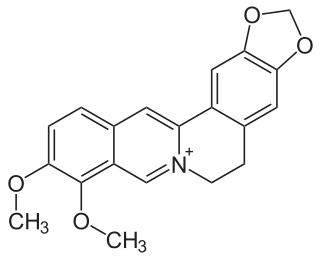
RESEARCH ON BERBERINE
Berberine sits in an unusual position in the research landscape. As a compound, it boasts one of the more robust evidence bases of any botanical compound in active supplementation use, with hundreds of clinical trials, dozens of systematic reviews, and a pharmacological mechanism so well characterized that it has attracted serious attention from researchers working in diabetes, cardiology, and longevity medicine. And yet it occupies a regulatory grey zone that has left it perpetually underclassified relative to what the literature actually supports. The science and the official verdict are, in this case, running in opposite directions.
EFSA Claims
The European Food Safety Authority has not approved health claims for berberine, a fact that is worth understanding in context. EFSA's claims approval process evaluates compounds against a standard of evidence that has proven difficult for botanicals to meet, not necessarily because the evidence is weak, but because the trial design, standardization, and funding structures that produce EFSA-approvable evidence are overwhelmingly built around pharmaceutical development pipelines rather than botanical research. Berberine has not been through those pipelines. It has instead accumulated evidence through academic research, independent clinical trials, and a body of mechanistic science that is, by any reasonable measure, compelling.
The regulatory noise around berberine has grown louder in recent years, with some jurisdictions moving to restrict its sale and promotion on the basis of liver toxicity concerns. We address those concerns directly in the contraindications section. What is worth noting here is that the toxicity signals that have attracted regulatory attention are largely associated with high-dose, long-term exposure in animal models and isolated case reports in humans, not with the standardized supplementation doses that the clinical literature has studied and found both effective and well-tolerated.
For the sake of thoroughness we are including all on-hold claims both for the compound berberine and for Berberis aristata the plant.
For the gastrointestinal tract health
Improves appetite
Reinforces secretion of digestive glands
Normalizes intestinal tract function
Helps to maintain a normal cholesterol level, contributes in a cholesterol lowering diet
Supports the health of the reproductive and urinary organs.
Supports liver health
Helps to improve blood glucose control
Healthy triglyceride levels
International Studies
Glucose regulation is the most replicated effect in the berberine literature. A landmark 2008 trial published in Metabolism compared berberine directly to metformin in patients with type 2 diabetes over 3 months, finding comparable reductions in HbA1c, fasting glucose, and postprandial glucose. .
The lipid evidence is nearly as strong. Multiple randomized controlled trials have demonstrated significant reductions in total cholesterol, LDL cholesterol, and triglycerides, with a 2018 meta-analysis covering 16 RCTs and 2,147 participants, suggesting consistent lipid-lowering effects. The PCSK9 inhibition mechanism has been confirmed in human studies, not just in vitro, which strengthens the mechanistic argument considerably.
The weight and body composition data, while less voluminous, is consistent. A meta-analysis of randomized controlled trials found significant reductions in BMI, body weight, and waist circumference in berberine-supplemented groups over 8 to 12 weeks, with the abdominal fat reduction being the most reliably replicated finding.
The gut microbiome and longevity adjacent research is at an earlier stage. Animal model data on AMPK-mediated autophagy and lifespan extension is promising. Human trials on microbiome modulation are underway. We are keeping our eyes on that research and will update this page as the evidence matures.
HOW TO USE BERBERINE
Unlike some of our other ingredients, like ashwagandha, moringa, reishi, or turmeric, which make sense as powdered superfoods, Junai only offers berberine as part of our formulation for Junai SLIM. If your berberine is an ingredient in your order of Junai SLIM, take 2 capsules per day, soon before your biggest meal of the day. If you are interested in consuming berberine in other forms or want to know how much berberine to take, read on.
Traditional Usage
Berberis aristata appears throughout the foundational Ayurvedic texts, the Charaka Samhita, the Sushruta Samhita, and the Ashtanga Hridaya, under the name daruharidra, which, as mentioned above, translates to turmeric wood, as berberine and curcumin, the active compound in turmeric, both appear as bright yellow, despite being molecularly completely distinct. The documented applications of berberis in Ayurveda span a remarkable range: digestive disorders and intestinal infections, fever and malaria, eye inflammation and conjunctivitis, skin conditions including psoriasis and ulcers, liver and spleen enlargement, urinary tract conditions, and wound healing.
It was also explicitly included in classical formulations for obesity and metabolic sluggishness, among them Varanadi Kwath, a decoction documented in the Ashtanga Hridaya specifically for managing excess weight and digestive stagnation. Traditional preparations typically involved root bark decoctions, concentrated extracts, and topical washes.
The practitioners working with daruharidra had no concept of AMPK, glucose transporters, or PCSK9. What they did have was centuries of observed clinical outcomes, and those outcomes mapped, with striking consistency, onto what modern biochemistry has since confirmed.
Modern Usage
Modern preparations of berberis focus on the plant's roots, where the berberine is most concentrated. While now in a laboratory setting and with more precise ratios of solvent, modern forms don't differ dramatically from ancient practice: decoctions and extractions remain the best way for maximizing bioavailability.
Berberine Dosage
The clinical standard of berberine dosage established across the majority of trials is 500 mg, 3 times daily, taken with meals. That 1,500mg daily total is not arbitrary: berberine has modest oral bioavailability, meaning a meaningful percentage of what you swallow never makes it into systemic circulation in active form. Splitting the dose across 3 meals rather than taking it all at once keeps plasma concentrations more consistent throughout the day and reduces the GI load at any single sitting, which matters because berberine's most common side effect is digestive discomfort, and that discomfort is almost always dose-dependent.
Timing
The with-meals timing is also mechanistically deliberate. Berberine's most immediate and well-documented effect is on postprandial glucose, the spike that follows eating. Taking it immediately before or with a meal puts the compound in the right place at the right time to blunt that spike at the moment it is most likely to occur.
Bioavailability
This is worth its own moment because it shapes everything about how berberine should be sourced and supplemented. Raw berberine has low and variable oral bioavailability, estimated in some studies at below 5% for certain forms. This isn't a dealbreaker, just a formulation problem with known solutions, but it means that the form of berberine you take matters enormously.
Berberine HCl, the compound's salt form, has meaningfully better absorption characteristics than the raw berberine base, with improved solubility and stability in the gut environment, which translates directly to more active compound reaching circulation. This is why Junai uses berberine HCl at 97%+ purity rather than a lower-grade extract, and why the 40:1 concentration ratio from Berberis aristata root matters: we're already starting with a highly concentrated source before the HCl conversion, which means the final compound is as bioavailable as the current state of botanical extraction can make it.
Black pepper extract (piperine) is commonly paired with berberine for its absorption-boosting properties, and the mechanism is real, as we discussed in our blog on bioavailability. Our Junai SLIM pairs berberine and piperine with (white mulberry (Reducose®), which works through a complementary rather than bioavailability-focused mechanism. But if you are supplementing your berberine independently, an additional piperine source is worth considering.
Forms and combinations
Berberine is available as standalone capsules, in combination metabolic formulas, and increasingly as a functional food ingredient. The most clinically studied and practically reliable form remains berberine HCl in capsule or tablet form at standardized concentration, which is why the berberine in our Junai SLIM is naturally berberine HCl.
Pairing berberine with white mulberry deserves specific attention. Reducose®, the standardized white mulberry leaf extract in SLIM, works by inhibiting the alpha-glucosidase and alpha-amylase enzymes that break down complex carbohydrates in the gut, slowing the release of glucose into the bloodstream before it even becomes a postprandial spike for berberine to manage. These 2 compounds address the same problem from opposite ends of the digestive pipeline: white mulberry slows glucose entry, berberine improves glucose handling once it arrives. The combination is not accidental and it is not marketing. It is a carefully considered one-two punch for carbohydrate management that makes SLIM's formulation one of the most mechanistically viable products on the market.
Summary of berberine usage
The industry standard for clinical trials is:
500 mg, 3 times per day, with meals
If taking as part of Junai SLIM, take as indicated on the bottle:
2 capsules before your biggest meal of the day
HOW AND WHY JUNAI OFFERS BERBERINE
Junai sources its berberine as Indian Berberis aristata DC root extract, ethanol extracted at a 40:1 concentration ratio, standardized to 97%+ berberine HCl. A few of those details are worth unpacking because they are not just sly forms of marketing language, but conscious formulation decisions with direct consequences for what ends up in your bloodstream.
Firstly, the aristata species distinction matters. Berberis vulgaris, the European barberry, is the more commonly sourced species in the global supplement market, partly because of broader cultivation and partly because of historical familiarity. Berberis aristata, the Indian barberry, has a denser berberine concentration in its root, a longer and better-documented Ayurvedic track record, and is the species on which the majority of South Asian clinical research has been conducted. Never accept vulgaris if aristata is available.
Ethanol extraction is the industry standard as the molecule is highly soluble in ethanol, which produces a cleaner, more complete alkaloid profile than water-based extraction and avoids the residual solvent concerns associated with some synthetic extraction methods. The 40:1 ratio means 40 kg of Berberis aristata root goes into producing 1kg of extract. That is a concentrated starting material before standardization even begins.
The 97%+ berberine HCl standardization is the number that matters most. It means that the content of each SLIM capsule is overwhelmingly active compound, not filler alkaloids, not degradation products, not batch-to-batch variation dressed up as consistency. 97%+ is pharmaceutical-grade purity applied to a botanical extract, and it is why the bioavailability story for SLIM's berberine is as strong as it is.
Berberine is the anchor ingredient in Junai SLIM , our formulation for weight management, metabolic health, and carbohydrate control. Its partners in that formula are white mulberry leaf extract (Reducose®), zinc, black pepper (piperine), and chromium, itself an important actor in glucose metabolism. The white mulberry pairing is the one worth dwelling on again, because it is the formulation decision that elevates SLIM from a single-ingredient berberine capsule to a metabolic powerhouse. Reducose® works upstream of berberine, slowing carbohydrate breakdown and glucose entry before the postprandial spike even begins. Berberine handles glucose once it arrives, improving cellular uptake, suppressing hepatic glucose production, and activating the AMPK pathway discussed above.
WHO NEEDS BERBERINE
Berberine is a strong enough compound that we suggest it more sparingly than some of our other ingredients. We sincerely believe, based on mountains of evidence, that literally everyone can improve their health by supplementing with, e.g., moringa or turmeric. Similarly, we're happy to recommend lemon balm and rosemary to anyone: while we believe in their effects enough to include them happily in our formula for Junai HER, we also recognize that, barring an allergy, their bioactive mechanisms are gentle, non-intrusive, and grounding.
Berberine, on the other hand, has powerful bioactive mechanisms that leave significant effects within the body, meaningfully changing your metabolism. As such, we recommend berberine much less liberally and absolutely suggest speaking with your doctor before trying it. That said, berberine might be worth considering for anyone:
Managing blood sugar levels who wants a mechanistically serious botanical tool with a robust clinical record behind it
Whose lipid levels are trending in the wrong direction and is looking for a non-pharmaceutical solution with genuine evidence behind it
Carrying stubborn visceral fat, particularly around the abdomen, that has proven resistant to diet and exercise alone
Looking to support healthy insulin sensitivity with a well-researched complement to lifestyle changes
Is otherwise active and healthy, but has noticed chronic low-grade inflammation and wants something with a real mechanism behind it
Interested in AMPK activation and the emerging research on longevity and cellular efficiency, and who wants a compound with decades of safety data
Taking a serious approach to carbohydrate management, particularly when paired with the white mulberry in SLIM for a sequenced, two-stage approach to postprandial glucose control
WHAT TO EXPECT WITH BERBERINE
Berberine does not make a loud, dramatic entrance in the first few days. The mechanisms it works through, AMPK activation, glucose transporter upregulation, and PCSK9 inhibition, operate on a cellular timeline rather than an acute one. Managing expectations here is not a disclaimer, it's respect for how the biology actually works.
The first thing most people notice, usually within the first week, seems like the opposite of a benefit. It is mild digestive adjustment: looser stools, some bloating, even occasional nausea. This is common, dose-dependent, and temporary. It is also, somewhat ironically, consistent with berberine doing exactly what it is supposed to do in the gut, namely shifting microbial populations and increasing intestinal motility. This discomfort passes for most people within 7 to 10 days. Starting at a lower dose and building up over the first week reduces the likelihood and severity considerably.
By weeks 2 and 3, the more noticeable effects tend to emerge. Post-meal energy stability is usually the first thing people report: the afternoon fog lifts, the post-lunch slump flattens, meals start passing without metabolic consequence worth mentioning. For people pairing berberine with the white mulberry in SLIM, this effect tends to be more pronounced and arrives earlier, because Reducose® is already moderating the glucose entry that berberine is then handling on the other end.
The lipid and glucose marker improvements take longer to manifest in measurable form. Bloodwork changes become meaningful at around 8 to 12 weeks of consistent supplementation. This is the timeline the trials used, and it is the timeline worth committing to before drawing conclusions about whether berberine is working for you.
The inflammation and cellular energy effects are the most subtle and the hardest to attribute directly. Some people report joints feeling quieter, recovery feeling cleaner, a general background sense of less friction. These are real effects with real mechanisms behind them. They are also the kind of effects that are easy to miss if you are looking for a dramatic announcement rather than a quiet shift in baseline.
Berberine rewards patience and consistency. It is not doing nothing in the first week other than maybe causing you a bit of stomach discomfort. Enzyme kinetics and eager expectation are often on vastly different timelines.
CONTRAINDICATIONS
Berberine is a genuinely potent compound and its contraindication profile reflects that. What follows is not our legal hedging, but practical information about a molecule that interacts significantly with human physiology and, in some cases, with other drugs.
The most common side effects of berberine or barberry are gastrointestinal:
Nausea, abdominal discomfort, bloating, constipation or its opposite diarrhea, and loose stools are among the most frequently reported side effects. These tend to occur just at the beginning of supplementation and go away as the body adapts to the presence of berberine in the system.
Other than the above very real but primarily just annoying side effects, there can also be some potentially serious points to consider:
Drug interactions:
Berberine and metformin share overlapping mechanisms for glucose regulation, and combining them can produce additive blood sugar lowering that tips into hypoglycemia. Anyone already on metformin or other antidiabetic medications should consult their doctor before adding berberine.
The same applies to any medication primarily metabolized by the CYP3A4 enzyme pathway, a broad category that includes certain statins, immunosuppressants including cyclosporine, some antibiotics, and several cardiovascular drugs. Berberine inhibits CYP3A4 activity, which can raise plasma concentrations of co-administered drugs to unintended levels.
Pregnancy and breastfeeding: Berberine crosses the placental barrier and has demonstrated uterine-stimulating activity in animal models. It should not be used during pregnancy. Breastfeeding women should also avoid it, as berberine passes into breast milk and its effects on infants are not adequately studied.
Raw barberry versus HCl extract: The fruit flesh and whole plant preparations of Berberis aristata contain a broader alkaloid profile than isolated berberine HCl, including berberrubine and other isoquinoline alkaloids that have their own biological activity and GI effects. Consuming raw barberry fruit in significant quantities can cause more pronounced gastrointestinal effects than consuming HCl extract.
The liver toxicity question
This deserves a dedicated section instead of us ignoring it or sweeping it under the rug. Regulatory bodies in several jurisdictions have flagged berberine on the basis of hepatotoxicity concerns, and some have moved to restrict its sale and promotion. The signal behind those concerns is real but narrow: it derives primarily from high-dose, long-term animal studies and a small number of human case reports, most of which involve doses significantly above standard supplementation levels, co-administration of other hepatotoxic compounds, or pre-existing liver conditions. The clinical trial literature on berberine at standard doses, namely 500 mg 3 times daily, has not demonstrated meaningful liver toxicity signals in healthy populations. The risk is not zero, as it never is with a bioactive compound of this potency, but it is not the broad population-level concern that some regulatory language implies. People with pre-existing liver conditions should avoid berberine or use it only under medical supervision.
If you experience unusual fatigue, jaundice, upper right abdominal discomfort, or any symptom suggestive of liver stress while taking berberine, discontinue use and consult a healthcare professional immediately.
QUICK RECAP
We've seen plenty of berberine benefits over the course of this page. Much more than just an important ingredient in our Junai Slim, berberine is also:
The primary active alkaloid in Berberis aristata, the Indian barberry, with documented medicinal use stretching back to at least 500 CE
One of the most mechanistically well-characterized botanical compounds in active supplementation use, with hundreds of clinical trials behind it
A direct AMPK activator, working through the same cellular energy-sensing pathway triggered by caloric restriction and exercise
Clinically comparable to metformin for blood sugar regulation in head-to-head trials
A meaningful lever for LDL cholesterol and triglyceride reduction via PCSK9 inhibition
A compound with documented effects on visceral fat accumulation, gut microbiome composition, and chronic low-grade inflammation
The anchor ingredient in Junai SLIM, paired with Reducose® white mulberry leaf extract for a sequenced two-stage approach to carbohydrate management
An ingredient that takes patience and consistency for its effects to truly make themselves pronounced
Absolutely a conversation starter with your doctor if you are on medication modifying glucose regulation or the CYP3A4 pathway
Related ingredients
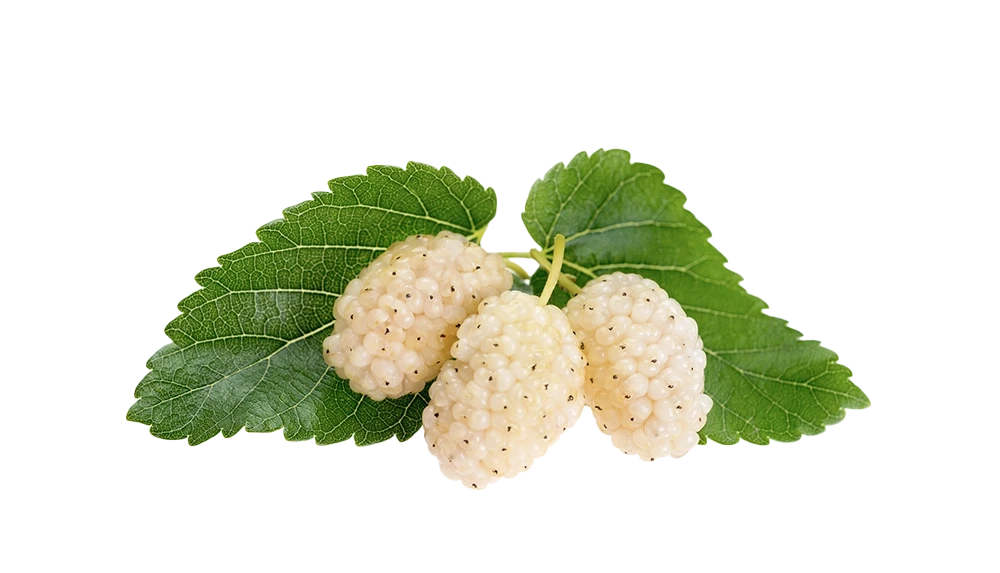
Reducose®
Reducose® is a patented natural extract from the leaves of the white mulberry and a registered trademark of Phynova, originally growing in China, where it is used for patients with diabetes. It contributes to metabolism and helps maintain carbohydrate balance in the body.

Turmeric
Turmeric is most often seen as a simple spice, dye, or seasoning. Hiding within its vivid color is a range of bioactive compounds that could revolutionize your recovery and regeneration.
Related products
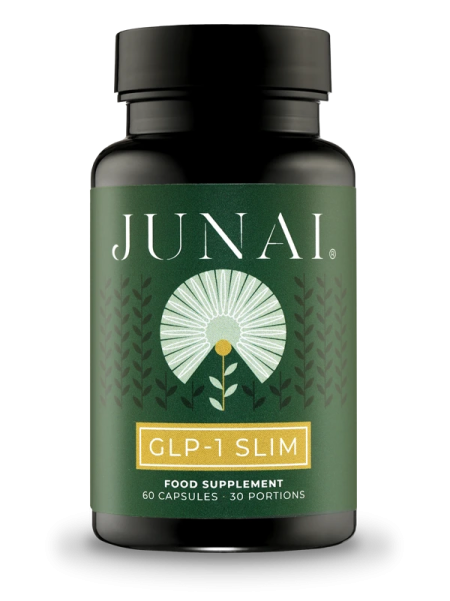
Junai GLP-1 Slim
- A powerful natural tool to help you meet and maintain your target weight
- Stimulated metabolism, improved digestion, and stabilized energy stores
- Natural appetite suppressant that curbs cravings and makes you feel full longer
Related posts

Adaptogens Explained: Breaking Down the Buzzword
All about adaptogens, from breaking down the buzzword to an exploration of the HPA, cortisol spikes, and how to bring the body back into balance.

What are fat burners?
We tackle some of the myths and hype around fat burners, dissecting what they really are, how they work, and which one - if any- is the best for you.
