



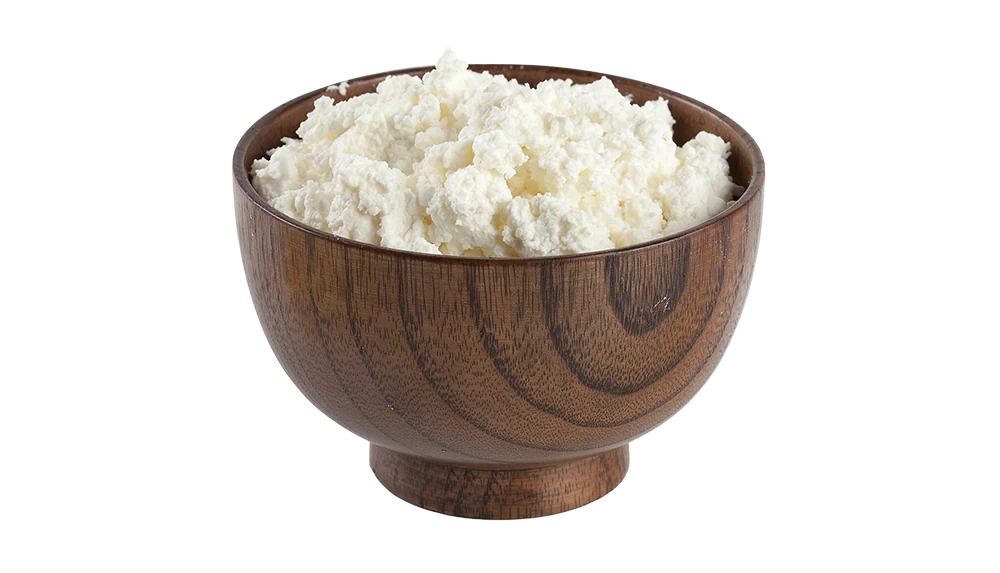
Lactobacillus rhamnosus ist ein nützlicher Bakterienstamm, der natürlicherweise im menschlichen Verdauungstrakt und im weiblichen Urogenitalsystem vorkommt. Er spielt eine entscheidende Rolle für das Gleichgewicht einer gesunden vaginalen und intestinalen Flora.
Unterstützt die Gesundheit des Verdauungssystems
Lactobacillus rhamnosus hilft, das Gleichgewicht der nützlichen Darmbakterien aufrechtzuerhalten, was eine bessere Verdauung fördert und Verdauungsbeschwerden sowie -störungen vorbeugt.
Stärkt das Immunsystem
Dieser Bakterienstamm soll die Funktion des Immunsystems unterstützen, da er zur höheren Widerstandskraft gegen Infektionen beitragen kann. Studien haben gezeigt, dass L. rhamnosus das Risiko für Erkältungen und andere Atemwegsinfektionen verringern kann.
Gesunde weibliche Flora
Lactobacillus rhamnosus ist auch in der Vagina vorhanden, wo er hilft, eine gesunde Mikroflora aufrechtzuerhalten. Dies kann das Risiko für Infektionen wie Pilzinfektionen (z. B. Candida) reduzieren.
Potenzielle Unterstützung der psychischen Gesundheit
Einige Studien haben gezeigt, dass nützliche Bakterien wie L. rhamnosus auch das psychische Wohlbefinden beeinflussen können, da sie helfen, Symptome von Angstzuständen und Depressionen zu lindern. In dieser Funktion ist er ein wesentlicher Bestandteil der engen Verbindung zwischen Darm und Gehirn.
WHAT LACTOBACILLUS RHAMNOSUS DOES
Given that L. rhamnosus is at home in multiple bodily systems, its effects, while stemming from common mechanisms, are varied.
Digestive comfort and gut regularity
A gut with a well-supported microbial community is a gut that thrives and behaves as expected. The range of what counts as normal here is broad, but the trend is consistent: better microbial balance correlates with more regular passing, including less bloating and less of the generalized digestive unpredictability typical of a disrupted gut. L. rhamnosus helps keep your biome supported.
Immune resilience
Your immune system operates in strikingly close andem with your microbiome. It learned, during your earliest months of life, to calibrate its responses in the presence of microbial signals. L. rhamnosus contributes to an immune environment that is responsive without being reactive, the kind of immune function that shows up when it needs to and stands down when it doesn't.
Vaginal balance
A healthy vaginal microbiome is dominated by Lactobacillus species, and that dominance is not incidental. It is the mechanism by which the vaginal environment becomes acidic and thus stays inhospitable to opportunistic organisms and largely self-regulating. When it shifts, the downstream consequences range from mild and irritating to clinically significant. L. rhamnosus is one of the organisms that supports that dominance.
Mood and stress regulation
The gut and the brain are in constant, bidirectional communication through a network that includes the vagus nerve, the enteric nervous system (the roughly 500 million neurons lining your gastrointestinal tract), and the HPA axis that governs your stress response. A balanced gut microbiome is not the whole story of mood regulation, but it is a chapter that is increasingly difficult to ignore.
Skin clarity
The gut and the skin share more than a developmental origin. Disruption in gut microbial communities has been associated with inflammatory skin conditions, though the mechanisms are still being characterized and the evidence varies considerably by condition. Worth knowing, with that caveat honestly declared.
HOW LACTOBACILLUS RHAMNOSUS WORKS
Digestive comfort and gut regularity
Lactic acid, the primary metabolic output of L. rhamnosus, lowers the local pH of the gut environment in ways that selectively disfavor pathogenic and opportunistic bacteria. But the structural contribution may matter as much as the chemical one: L. rhamnosus adheres to the intestinal epithelium (the cell layer lining the gut wall), where it competes directly with pathogens for colonization sites, a mechanism called competitive exclusion.
Beyond surface-level competition, L. rhamnosus supports the production of mucin, the glycoprotein that forms the protective mucus layer coating the intestinal wall, and contributes to the integrity of tight junction proteins, the molecular seals between epithelial cells that determine what passes into the bloodstream and what doesn't. When tight junctions function well, the gut wall is selective. When they degrade, it isn't.
Resident bacteria in a well-populated gut also produce short-chain fatty acids (SCFAs) through fermentation of dietary fiber, particularly butyrate, which serves as the primary fuel source for colonocytes (the cells of the colon lining) and has a direct regulatory effect on gut motility and inflammation. L. rhamnosus is not the primary SCFA producer, but it participates in the microbial cross-feeding relationships that sustain the bacteria that are.
The result, when the ecosystem is functioning, is a gut that moves predictably, absorbs selectively, and generates less of the irritation and gas that come with fermentation gone wrong.
Immune resilience
The gut microbiome is the primary educator of the human immune system. Approximately 70% of immune tissue is located in the gut-associated lymphoid tissue (GALT), and the signals it receives from resident microbiota determine, to a significant degree, how that tissue calibrates its responses.
L. rhamnosus interacts with Toll-like receptors (TLRs), pattern-recognition proteins on immune cells that detect microbial signatures and trigger downstream immune responses. The nature of that interaction is not activation in the inflammatory sense; it is more accurate to describe it as calibration. L. rhamnosus signaling through TLR2 and TLR4 promotes the secretion of secretory IgA (sIgA), the immunoglobulin that lines mucosal surfaces including the gut and the vaginal tract and functions as the first barrier of adaptive immune response to pathogens.
CRL 1505, specifically, has been studied for its capacity to modulate the Th1/Th2 balance, the relative weighting between the two primary branches of adaptive immune response. Much of this research has been conducted in the context of respiratory infections in pediatric populations, which is not the Junai audience, but the immunomodulatory mechanism is not age-specific, and the strain's capacity to prime mucosal immune response without inducing unnecessary systemic inflammation is the relevant finding.
Vaginal balance
The healthy vaginal microbiome is dominated by Lactobacillus species, primarily L. crispatus, with L. rhamnosus, L. iners, L. gasseri, and L. jensenii present in varying compositions depending on the individual. This community maintains dominance through several overlapping mechanisms: lactic acid production that keeps vaginal pH below 4.5, hydrogen peroxide (H2O2) production that is directly bactericidal to many competing organisms, and bacteriocin secretion, antimicrobial peptides that create further pressure against non-Lactobacillus species.
When this community is disrupted, the pH rises, the chemical barriers thin, and the conditions emerge that favor organisms like Gardnerella vaginalis (associated with bacterial vaginosis), Candida albicans (associated with yeast infections), and the uropathogenic bacteria that cause recurrent urinary tract infections. These are not unrelated conditions with separate causes. They are different downstream expressions of the same underlying shift in the vaginal ecosystem.
The section below covers this in more detail. It deserves the space.
Mood and stress regulation
The gut-brain axis is not a metaphor. It is a set of physical, chemical, and electrical pathways through which the enteric nervous system and the central nervous system exchange continuous, bidirectional signals.
The vagus nerve, a cranial nerve that runs from the brainstem to the colon, is the primary highway of this communication. A significant majority of the signals traveling along it move upward, from gut to brain, not downward. The enteric nervous system produces approximately 95% of the body's serotonin (5-HT), not for use in the brain, where serotonin cannot cross the blood-brain barrier, but to regulate gut motility and to generate signals that influence brainstem and limbic system function via vagal afferents.
GABA (gamma-aminobutyric acid) is the primary inhibitory neurotransmitter of the central nervous system, meaning it reduces neuronal excitability and plays a central role in regulating anxiety and stress response. In research conducted by Bravo et al. (2011), L. rhamnosus JB-1 (a closely related strain) was shown to increase the expression of GABA receptors in the brains of mice and to reduce corticosterone (the rodent equivalent of cortisol) levels under stress conditions, with the effect abolished when the vagus nerve was severed. This implicated the vagus nerve directly as the communication route through which gut microbial signals were influencing brain GABA receptor expression.
This is where the gut-brain axis story becomes more than a wellness talking point. The HPA axis, the hormonal system that governs your stress response by coordinating signals between the hypothalamus, the pituitary gland, and the adrenal glands, is not downstream from your gut. It is in ongoing communication with it. Cortisol output, stress reactivity, and the baseline tone of your anxiety are all influenced by signals from an ecosystem you may have never thought of as a participant in how you feel.
CRL 1505 strain-specific data on the gut-brain axis is more limited than the GG or JB-1 strain literature. The mechanistic pathway, however, is not strain-specific. It is a property of the Lactobacillus-gut-vagus-brain circuit that L. rhamnosus, as a species, participates in.
Skin clarity
The gut-skin axis proposes that disruption in gut microbial communities triggers systemic low-grade inflammation through mechanisms including increased intestinal permeability and altered immune signaling, which manifests at the skin surface as inflammatory skin conditions. The association between gut dysbiosis and conditions like acne vulgaris and atopic dermatitis is observed in the literature, though the mechanistic picture is still being assembled. This is a real effect that is not yet fully understood, which is a perfectly honest place to sit with it.
LACTOBACILLUS RHAMNOSUS AND VAGINAL HEALTH
The vaginal microbiome has a distinctive feature that no other microbiome in the human body shares: in a healthy state, it is intentionally low in microbial diversity.
That runs counter to every piece of mainstream microbiome messaging you've absorbed, which is almost invariably about diversity as the goal, the more species the better. In the gut, that is largely correct. In the vagina, it couldn't be more wrong. A healthy vaginal microbiome is one dominated by a single genus, Lactobacillus, and the dominance of that genus is not a starting point for further complexity. It is the intended endpoint. The diversity that exists within the vaginal Lactobacillus community is fine-grained: four species, L. crispatus, L. iners, L. gasseri, and L. jensenii, tend to dominate, with L. crispatus generally considered the most protective.
What this community produces is a chemical environment: acidic (pH below 4.5), hydrogen-peroxide-enriched, and bacteriocin-laced, which makes the vaginal tract inhospitable to most pathogens. It is an ecosystem that has evolved specifically to protect you. It will keep doing so provided with the right conditions.
Disruptions to vaginal health and stability are familiar. Antibiotics that clear an infection elsewhere often clear Lactobacillus species collaterally, because antibiotics are not subtle about which bacteria they affect. Hormonal contraceptives, particularly combined oral contraceptives, alter the glycogen content of vaginal epithelial cells, which Lactobacillus species depend on as a primary fuel source, changing the selective pressure in the community. Semen is alkaline, temporarily raising vaginal pH with each exposure. Products with fragrance, high-pH formulations, or antibacterial properties used in or near the vaginal area do direct damage to the community that lives there.
When Lactobacillus dominance falters, pH rises, and organisms that benefit from that shift take advantage. Bacterial vaginosis (BV), the most common vaginal infection in women of reproductive age, is not caused by a single pathogen: it is a community-level shift, a transition from Lactobacillus-dominated to a more complex, predominantly anaerobic community. Candida albicans, the organism responsible for yeast infections, is an opportunist that thrives when the bacterial competition is reduced. Uropathogenic Escherichia coli, the primary cause of urinary tract infections, colonizes the vaginal area before ascending to the bladder, and its ability to do so is directly related to the adequacy of vaginal Lactobacillus defense.
These are not 3 separate problems, but 3 outcomes of the same shift in one ecosystem.
L. rhamnosus is a necessary part of healthy vaginal communities, with roles in lactic acid and H2O2 production, and adhesive capacity in vaginal epithelial cells. The best thing you can do for your flora is reduce unnecessary disruptions, avoid products that do not belong in the vaginal environment, be thoughtful about antibiotic use and recovery, and actively support the Lactobacillus community that already belongs to you.
RESEARCH ON LACTOBACILLUS RHAMNOSUS
Lactobacillus is among the most studied genera of probiotics on earth, with dozens of studies for each species and even strain.
EFSA Claims
A quick note before the citations: EFSA has not approved general probiotic health claims for any specific strain or species under EU regulation. The regulatory position on probiotics is, charitably, unresolved. L. rhamnosus has one of the largest human clinical trial records of any probiotic organism. The gap between that record and the claim landscape is a regulatory artifact, not a scientific one.
International Studies
The gut-brain and HPA axis literature draws most heavily on L. rhamnosus JB-1. Bravo et al. (2011, PNAS) reported that oral JB-1 administration in mice increased central GABA-B1b receptor expression, reduced GABA-A receptor expression in the cortex and hippocampus, and reduced corticosterone response to acute stress, with all effects abolished by vagotomy. This remains the landmark study establishing vagus nerve-mediated gut-brain signaling from a Lactobacillus strain.
For gut health outcomes, Majamaa and Isolauri (1997) demonstrated improved gut permeability markers in infants with atopic eczema treated with GG strain. Isolauri et al. (1991) reported reduced duration of rotavirus diarrhea with GG. Vanderhoof et al. (1999) demonstrated reduced incidence of antibiotic-associated diarrhea with GG in children.
Vaginal ecology research includes Rönnqvist et al. (2006), which characterized L. rhamnosus hydrogen peroxide production and in vitro inhibition of BV-associated organisms. Reid et al. (2003) demonstrated vaginal colonization of L. rhamnosus GR-1 following oral administration, establishing that orally administered L. rhamnosus can survive transit and reach the vaginal tract.
This is species-level and neighboring-strain literature supporting CRL 1505's placement in a formula oriented toward the outcomes described on this page. The evidence base is substantial. The strain-specific overlap is partial and honestly declared.
Strain-specific Studies
CRL 1505 strain-specific research is concentrated in immunomodulatory outcomes, particularly the stimulation of mucosal immune response and respiratory infection resistance, studied primarily in pediatric populations in Argentina. Villena et al. (2011) demonstrated that CRL 1505 administered orally improved resistance to pneumococcal and rhinovirus challenge by upregulating sIgA and Th1 cytokine responses in mucosal tissue. The immune priming mechanism is not pediatric-specific; the populations studied were.
HOW TO USE LACTOBACILLUS RHAMNOSUS
The Lactobacillus rhamnosus in HER is dosed at 1×10⁹ CFU (colony-forming units) per capsule.
Here is the thing worth knowing about that number: it is a count of viable cells at the time of manufacture, and getting a live bacterium from a capsule to your large intestine requires it to survive your stomach, which runs at a pH low enough to kill most things that enter it. A meaningful percentage of any probiotic dose does not make it. The CFU count on a probiotic label is, in part, an acknowledgment of that attrition. 1×10⁹ accounts for the losses.
You can improve the odds. Take L. rhamnosus on an empty stomach or before a meal, when gastric acid secretion is at its lowest. Do not take it with a hot drink; heat is fatal to live bacteria. Cold water is fine. Consistency matters more than timing: daily administration over weeks builds colonization in a way that sporadic high-dose supplementation does not.
L. rhamnosus CRL 1505 is included in the HER daily capsule alongside lemon balm, chlorella, rosemary, bladderwrack, black pepper, and vitamin B6. Take HER daily, consistently, with or just before a meal for best gut tolerability.
Store HER in a cool, dry place away from direct sunlight. Do not refrigerate unless the label specifies it.
HOW AND WHY JUNAI USES LACTOBACILLUS RHAMNOSUS
The strain in HER is Lactobacillus rhamnosus CRL 1505, dosed at 1×10⁹ CFU* per capsule.
CFU stands for Colony Forming Unit, the number of viable units of a given bacteria capable of reproducing under the right conditions, like an agar plate. Unlike more general examination parameters, where all cells (both living and dead) are tallied, CFUs count only living cells and cell clusters that are able to replicate.
The strain CRL 1505 was selected for its immunomodulatory research record, specifically its documented capacity to prime mucosal immune response, the immune layer most relevant to vaginal and gut surface defense. Among the documented L. rhamnosus strains, CRL 1505 has the strongest published evidence base for mucosal-specific immune activity, which aligns with two of HER's core areas of focus: gut and vaginal ecology.
The dose of 1×10⁹ CFU reflects a pragmatic formulation reality. HER is a multi-ingredient daily capsule, not a dedicated probiotic supplement. Higher CFU counts require larger capsule formats or standalone delivery, neither of which fits HER's architecture. The dose is not the clinical headline number you'll see on standalone probiotic packaging. It is a daily maintenance contribution to an ecosystem that benefits from consistent, modest support rather than periodic high-dose intervention.
WHO NEEDS LACTOBACILLUS RHAMNOSUS
Literally all of us. We'd be seriously undernourished without it, in increased danger of infection, and women would be far more susceptible to vaginosis, UTIs, and STDs. So, the following list is about who needs supplementation, not just the bacterium itself.
Women recovering from a course of antibiotics, particularly broad-spectrum antibiotics, and looking to support microbiome restoration
Women with a history of recurrent bacterial vaginosis, vaginal yeast infections, or urinary tract infections who want to address the Lactobacillus dominance that underlies all three
Women using hormonal contraceptives, which alter the gut and vaginal microbial environment over time
Anyone whose diet is low in fiber and fermented foods and who therefore provides inadequate substrate for a diverse gut microbial community
People under sustained psychological stress, where HPA axis dysregulation and gut permeability changes are concurrent concerns
Women who have experienced irregular or disrupted digestion over a sustained period without a clear dietary cause
Anyone rebuilding a disrupted microbiome after illness, travel, or dietary changes
WHAT TO EXPECT WITH LACTOBACILLUS RHAMNOSUS
Probiotics do not work like pain relief, targeting a single set of neurons or pathways in predictable and repeatable ways.
L. rhamnosus is a transient colonizer in most people, meaning it doesn't take up permanent residence in your gut in the way that native microbiome species do. It passes through, and while it does, it competes with pathogens for adhesion sites, produces lactic acid, interacts with immune tissue, and generates the signaling conditions that support resident communities. Replenishing the input every day keeps that process continuous. Stopping administration typically means those effects wind down within days to weeks.
This is not a failure on the part of the ingredient, but simply how it works. Treat it accordingly: consistent daily use, not a course you complete and finish.
The timeline for felt improvement varies. Digestive changes, when they come, are often noticeable within 2 o 4 weeks of consistent use. Immune and mood-related effects, which are downstream from broader ecosystem changes, take longer to register, and they tend to show up sooner as the absence of a previous disruption rather than a distinctly new and positive sensation. In short: expect not to feel much and treat that very unremarkableness as proof that it's working perfectly.
Some people notice mild bloating or gas in the first week of use, particularly if starting from a significantly disrupted microbiome baseline. This typically resolves as the ecosystem adjusts.
CONTRAINDICATIONS
Lactobacillus rhamnosus is considered safe for most healthy adults, and the clinical safety record across decades of research and widespread use is reassuring. There are, however, populations for whom live bacterial supplementation carries genuine risk.
Immunocompromised individuals
Including those undergoing chemotherapy, receiving immunosuppressive therapy after organ transplant, or living with HIV/AIDS, should not take L. rhamnosus or any live probiotic without specific medical clearance. Rare but documented cases of probiotic bacteremia (live bacteria entering the bloodstream) have been reported in severely immunocompromised patients. This is not a theoretical concern.
Individuals who have recently undergone major surgery
Particularly gastrointestinal surgery, or who have a central venous catheter in place are at elevated risk and should avoid live probiotics until cleared by their physician.
Concurrent use with immunosuppressant medications
Warrants discussion with a prescribing doctor, as the immune-modulating properties of L. rhamnosus may interact with the intended effects of those medications.
Pregnancy
L. rhamnosus has been studied in pregnant populations and is generally considered safe. Consult your healthcare provider before starting any new supplement during pregnancy.
If you notice unusual symptoms following the introduction of L. rhamnosus, including fever, systemic symptoms, or significant gastrointestinal deterioration, discontinue use and consult a healthcare professional.
QUICK RECAP OF LACTOBACILLUS RHAMNOSUS
Gram-positive lactic acid bacterium; natural resident of the gut and vaginal microbiome
Strain in HER: CRL 1505; dose: 1×10⁹ CFU per capsule
Produces lactic acid and competes for epithelial adhesion sites, reducing pathogen colonization in gut and vaginal environments
Supports secretory IgA (sIgA) production and TLR-mediated mucosal immune calibration
Contributes to tight junction integrity and gut barrier function
Participates in vaginal Lactobacillus dominance, the primary defense mechanism against BV, yeast infections, and recurrent UTI
Communicates with the central nervous system via the gut-brain axis and vagus nerve; species-level evidence for GABA receptor modulation and HPA axis cortisol response (Bravo et al., 2011)
Transient colonizer: benefits require consistent daily use
CRL 1505 immunomodulatory research: strongest published evidence base in mucosal immune priming
Disrupted by antibiotics, hormonal contraceptives, high-sugar diet, chronic stress, and pH-disrupting vaginal products
Safe for healthy adults; genuine risk exists for immunocompromised individuals and post-surgical patients
Contained in Junai HER
Verwandte Zutaten
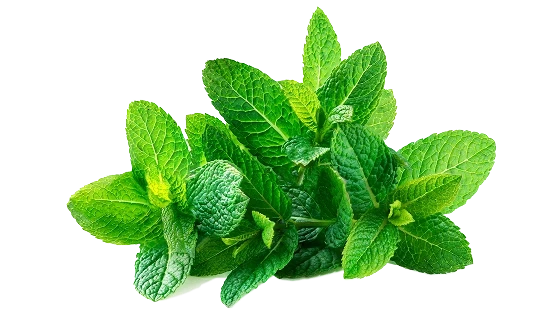
Melisse
Melissa wird seit Jahrhunderten in der traditionellen Medizin wegen ihrer beruhigenden Eigenschaften verwendet. Ihre bioaktiven Verbindungen unterstützen das psychische Wohlbefinden, verbessern die kognitiven Funktionen und helfen bei der Verdauung.
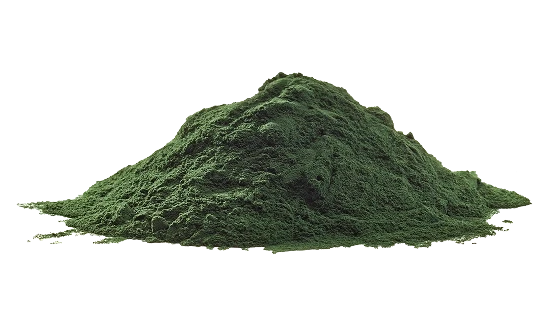
Chlorella
Chlorella ist eine Einzeller-Alge mit einem erstaunlichen Nährstoffprofil, weshalb sie häufig als Nahrungsergänzung eingesetzt wird. Als reiche Quelle von Proteinen, Vitaminen, Mineralstoffen und Antioxidantien unterstützt sie die Gesundheit und das allgemeine Wohlbefinden
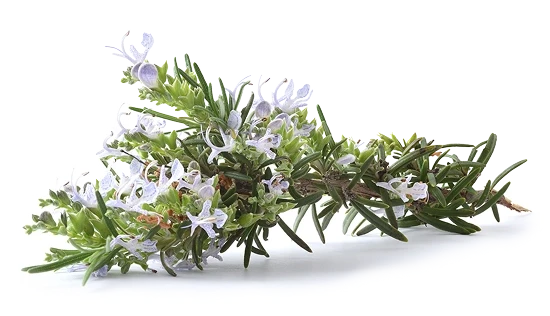
Rosmarin
Rosmarin ist ein aromatisches mediterranes Kraut, das seit Jahrtausenden in der traditionellen Medizin verwendet wird. Die moderne Wissenschaft hat sein Potenzial im Kampf gegen oxidativen Stress und bei der Unterstützung von Entgiftungsprozessen im Körper aufgezeigt.
Pogosta vprašanja o Lactobacillus rhamnosus
Kaj je Lactobacillus rhamnosus?
Kakšni so učinki Lactobacillus rhamnosus?
V katerih Junai izdelkih je Lactobacillus rhamnosus?

Junai Her
Wenn der Körper Ausgleich braucht und keinen weiteren Stimulator
Spoznaj izdelekNaroči se na nasvete
Mesečni vpogled v ingrediente, prehrano in energijo — naravnost v tvoj poštni nabiralnik.
Verwandte Produkte
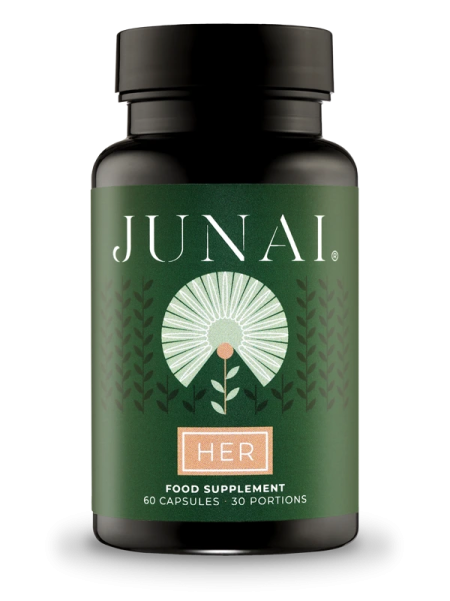
Junai Her
- Jod aus Blasentang versorgt die Schilddrüse mit den Bausteinen für Stoffwechselhormone.
- Eine Milliarde (10⁹) koloniebildende L. rhamnosus Kulturen, die eine gesunde, natürliche Intimflora unterstützen.
- Rosmarinsäure, Melissenextrakt, Chlorella, Vitamin B6 und schwarzer Pfeffer entgiften den Körper von freien Radikalen.
- Vitamin B6 trägt zur hormonellen Regulierung, zu stabileren Energieleveln und zu weniger Müdigkeit bei.
Verwandte Beiträge

Vaginale Mikrobiota: Warum Laktobazillen für eine gesunde Scheidenflora entscheidend sind
Das Verständnis darüber, wie die vaginale Flora funktioniert, hilft, verbreitete Mythen, Marketingversprechen und das, was die Wissenschaft tatsächlich über die intime Gesundheit bestätigt, voneinander zu unterscheiden.

Hormonelles Gleichgewicht, mehr Energie und eine gesunde vaginale Flora: 3 Themen, über die wir lauter sprechen sollten
Nach dem 30. Lebensjahr verändert sich der Körper. Erfahren Sie, wie Sie das hormonelle Gleichgewicht, mehr Energie und eine gesunde vaginale Flora unterstützen können.
