



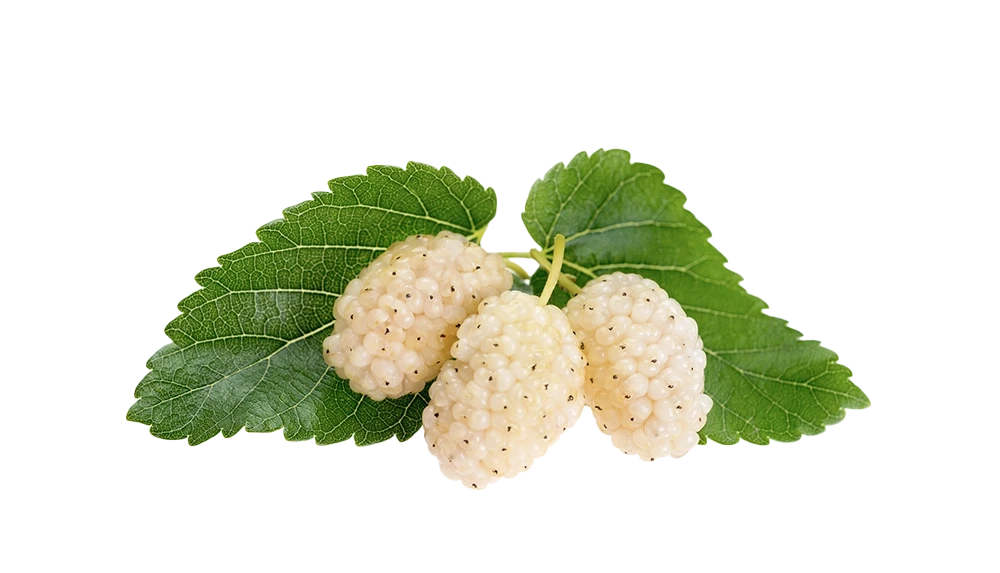
Reducose® bzw. Weißdornblatt-Extrakt (white mulberry) ist ein natürlicher Extrakt aus den Blättern der Maulbeere, der in Asien traditionell wegen seiner Wirkung auf den Kohlenhydratstoffwechsel eingesetzt wird.
WARUM ES WEISSE MAULBEERE FÜR SIE GIBT
Wenn Sie eine Mahlzeit mit Kohlenhydraten essen, beginnt Ihr Verdauungssystem sofort zu arbeiten und zerlegt komplexe Ketten mithilfe von Enzymen, die Ihre Dünndarmwand auskleiden, in einfache Zucker. Glukose gelangt in Ihren Blutkreislauf und Ihre Bauchspeicheldrüse reagiert, indem sie Insulin ausschüttet, um die Werte zu regulieren. Insulin erledigt seine Aufgabe, manchmal sogar etwas zu effizient, und Ihr Blutzucker sinkt. Damit fällt auch Ihre Energie, und früher oder später kehrt der Hunger mit Heftigkeit in Form von dringenden Gelüsten zurück. Sie fühlen sich eventuell schwindlig, benommen und schwitzig. Sie greifen zu einem Snack, und der Zyklus beginnt von vorne.
Dieser Abfall des Blutzuckers nach einer kohlenhydratreichen Mahlzeit wird postprandiale Hypoglykämie genannt. Weiße Maulbeere gibt es für Sie, weil der postprandiale Glukoseanstieg und der darauffolgende Abfall real sind. DNJ, ein Iminozucker in ihren Blättern, ist eines der stärksten bekannten botanischen Mittel, um die Art und Geschwindigkeit, mit der Glukose in den Blutkreislauf gelangt, abzumildern.
Aber das Vermeiden des Energieeinbruchs ist nur ein Vorteil von DNJ. Wenn Glukose langsamer in den Blutkreislauf gelangt, gibt der Darm die Möglichkeit, etwas zu tun, was er bei einem starken Anstieg nicht schafft: GLP-1 freizusetzen, ein Signalhormon, das zum Gehirn gelangt und einfach sagt, dass Sie satt sind.
Die Blätter der weißen Maulbeere wirken also auf zwei Ebenen: Sie signalisieren dem Gehirn das Sättigungsgefühl und regulieren den Blutzuckerspiegel für ausgeglichenere Hunger- und Energiezyklen im Tagesverlauf.
Ihre Mutter sagte immer, grünes Blattgemüse zu essen, ist der beste Weg zum Abnehmen, aber sie wusste vermutlich nicht, wie wörtlich sie damit recht hatte.
WAS WEISSE MAULBEERE MACHT
Weiße Maulbeere hilft Ihnen dabei:
Ihren Kohlenhydratkonsum besser zu steuern
Die Glukosemenge in Ihrem Blut zu begrenzen
Sich körperlich länger satt zu fühlen
Kohlenhydrat-Absorption und Glukosekontrolle
Weiße Maulbeere leistet das vielleicht Wertvollste, was eine Zutat während einer Mahlzeit tun kann: Sie verlangsamt die Geschwindigkeit, mit der die aufgenommene Nahrung im Blut zu Zucker wird. Das hat zwei Effekte. Erstens laufen die Mahlzeiten, anstatt den bekannten Ausschlag nach kohlenhydratreichen Speisen zu bringen, als gemessene und steuerbare metabolische Nicht-Ereignisse ab. Ihre Energie bleibt stabil, und der Absturz bleibt aus. Sie müssen nicht nach Süßem greifen und behalten den Nachmittag für sich. Zweitens bedeutet weniger Glukose im Blutkreislauf direkt eine verringerte Fähigkeit des Körpers, Fett zu erzeugen.
Sättigung und Hungerkontrolle
Mit weißer Maulbeere in Ihrem System bleibt Ihnen die Mahlzeit länger erhalten. Das heißt nicht, dass Sie ein schweres Völlegefühl verspüren, sondern vielmehr ein klares, funktionelles Körpergefühl, dass das echte Signal empfangen wurde: Sie sind zufrieden. Sie fühlen sich wirklich länger satt als erwartet, und angebliche, spezifische Heißhungerattacken treten einfach nicht auf.
Zellulärer antioxidativer Schutz
Flavonoide in den Blättern der weißen Maulbeere bieten im Hintergrund ihre Dienste für Zellen unter oxidativem Stress an. Dies ist nicht der Hauptaspekt der Maulbeere, aber ihre ausgeprägten antioxidativen Eigenschaften teilen nahezu alle Pflanzen, mit Auswirkungen auf Energiehaushalt, Stoffwechseleffizienz und letztlich Gewichtsverlust.
SLIM-Synergie mit Berberin
Es hat besondere Befriedigung, wenn eine Zutat genau weiß, wo ihre Arbeit endet und die ihres Partners beginnt. Weiße Maulbeere und Berberin bilden genau solch ein dynamisches Duo. Die Maulbeere wirkt als Wächter, begrenzt Menge und Geschwindigkeit, mit der Zucker ins Blut gelangt, während Berberin dem Körper hilft, das zu verarbeiten, was von der Glukose durchkommt. Gemeinsam decken sie den gesamten Bogen des Kohlenhydratstoffwechsels ab – auf eine Weise, die übereinzeln nicht möglich wäre.
WIE WEISSE MAULBEERE WIRKT
Die weiße Maulbeere wirkt auf einer Haupt- und zwei Nebenwegen. Der Hauptweg ist:
DNJ, ein Iminozucker, der die Alpha-Glukosidase hemmt
Die sekundären Wege sind:
Stimulierung von Epithelzellen zur Produktion von GLP-1
Ihr starkes antioxidatives Profil an Verbindungen
Kohlenhydrat-Absorption und Glukosekontrolle
DNJ ist ein Iminozucker, dessen molekulare Struktur Glukose stark ähnelt. Diese Ähnlichkeit ist der Schlüssel zu seinem Wirkmechanismus, denn sie ermöglicht es ihm, im Dünndarm direkt mit echten Kohlenhydraten um die Bindung an die Alpha-Glukosidase zu konkurrieren – ein körpereigenes Enzym, das komplexe Zucker zu resorbierbarer Glukose abbaut. DNJ bindet deutlich leichter an die Alpha-Glukosidase als Kohlenhydrate selbst und belegt damit die Kapazität des Enzyms, wodurch die Verarbeitung der Kohlenhydrate im Körper verlangsamt wird.
Die pharmazeutische Industrie experimentiert schon lange auf diesem Gebiet. Acarbose, ein rezeptpflichtiges Medikament gegen Typ-2-Diabetes, wirkt über denselben Mechanismus der Alpha-Glukosidasehemmung. Der große Unterschied liegt darin, wie beide Substanzen vom Körper toleriert werden. Acarbose ist für Nebenwirkungen im Magen-Darm-Trakt wie Blähungen, Flatulenzen und Krämpfe bekannt, weil sie das Enzym so aggressiv hemmt, dass unverdauter Zucker in hohen Mengen ins Kolon gelangt und von Darmbakterien fermentiert wird. DNJ, in den Konzentrationen von Reducose®, hemmt das gleiche Enzym viel genauer und verlangsamt statt die Glukoseaufnahme komplett zu blockieren. Klinische Daten zu Reducose® zeigen eine signifikante Reduktion der postprandialen Blutzuckerwerte ohne die gastrointestinalen Nebenwirkungen, die Acarbose so unverträglich machen.
Folge dieser dosierten Glukoseaufnahme ist eine flachere Insulinantwort – und weniger Insulin bedeutet, dass der Körper nicht gezwungen wird, große Mengen Glukose einzulagern. Eine geringere Glukosemenge zur Speicherung führt direkt zu reduzierter Kapazität für Lipogenese, dem Prozess, bei dem die Leber überschüssige Glukose in Fett umwandelt. Die Tore bremsen die Flut – die Flut erreicht nie den Damm.
Sättigungs- und Hungerkontrolle
Der Darm ist kein passives Rohr. Er ist ein aktives endokrines Organ, und was während und nach einer Mahlzeit an seiner Auskleidung passiert, bestimmt maßgeblich, wie hungrig oder satt Sie sich fühlen in den nachfolgenden Stunden.
Wenn Glukose nach und nach in den Dünndarm gelangt, wie im Beisein von DNJ, werden spezialisierte Zellen, die sogenannten L-Zellen an der Darmwand, gleichmäßiger und länger stimuliert. Diese L-Zellen setzen GLP-1, Glucagon-like Peptide-1 frei, ein Hormon, das durch den Blutkreislauf in den Hypothalamus wandert und das Sättigungssignal sendet. Ein langsamerer und anhaltenderer Glukoseeintritt bedeutet längerfristige GLP-1-Freisetzung – und ein nachhaltigeres Sättigungssignal für das Gehirn.
Dies ist dasselbe Hormonsystem, auf das injizierbare GLP-1-Rezeptoragonisten wie Semaglutid (Ozempic) pharmakologisch abzielen. DNJ wirkt am oberen Ende desselben Systems, jedoch über einen sanfteren Mechanismus, indem er das reguliert, was der Darm zunächst aufnehmen kann. Das Resultat ist echte Sättigung – nicht die Appetitunterdrückung durch pharmakologische Intervention, sondern das Funktionieren der körpereigenen Hungerregulation, wie sie gedacht war, bevor moderne Nahrungsmittel sie überfuhren.
Zellulärer antioxidativer Schutz
Die Blätter der weißen Maulbeere enthalten bedeutsame Mengen an polyphenolischen Flavonoiden zusätzlich zu DNJ. Die drei wichtigsten sind Rutin, Quercetin und Chlorogensäure, die wir ausführlich auf unseren Seiten zu Kurkuma und Rosmarin beschrieben haben. Jeder wirkt als Radikalfänger, spendet Elektronen zur Neutralisierung reaktiver Sauerstoffspezies, bevor diese zelluläre Membranen, Proteine und DNA schädigen können.
Rutin verfügt über zusätzliche kapillarstabilisierende Eigenschaften und zeigt eine moderate entzündungshemmende Aktivität durch Hemmung bestimmter pro-inflammatorischer Enzyme. Quercetin verfügt über eine der umfassendsten Evidenzbasen aller Ernährungsflavonoide und weist Aktivität in mehreren oxidativen und entzündlichen Signalwegen auf. Chlorogensäure trägt sowohl antioxidative Aktivität als auch eigenständige Belege für die Unterstützung des Glukosestoffwechsels bei und ist damit ein stiller, aber relevanter Unterstützer neben dem Kohlenhydratmanagement.
Keiner dieser Flavonoide ist der Hauptgrund, warum Sie weiße Maulbeere einnehmen. Aber sie sind ein erfreulicher Zusatznutzen, falls Sie Maulbeere wegen der Sättigungssignalisierung oder Alpha-Glukosidasehemmung verwenden.
SLIM-Synergie mit Berberin
Die DNJ-Wirkung entfaltet sich am Darm sofort – an der Bürstensaummembran des Dünndarms, im Zeitfenster zwischen Kauen der Mahlzeit und dem Eintritt der Glukose in den Blutkreislauf. Es handelt sich um einen Gatekeeping-Mechanismus, der definiert ist dadurch, was er verzögert statt komplett blockiert. Ein gewisser Teil der Glukose gelangt dennoch durch – das ist kein Fehler des Systems: Glukose ist Treibstoff, und das Ziel war nie, den Motor auszuhungern, nur das Überschwemmen zu verhindern.
Berberin übernimmt exakt dort, wo der DNJ-Mechanismus endet. Sobald Glukose im Kreislauf ist, greift der Hauptmechanismus von Berberin – die Aktivierung der AMPK (AMP-aktivierte Proteinkinase, oft als zentraler Stoffwechselregler der Zelle bezeichnet) – und steigert die Effizienz, mit der Zellen Glukose aufnehmen und verwerten. Die Insulinsensitivität steigt, und Glukose, die durch das Tor schlüpft, wird effizienter verarbeitet und wird weniger als Fett gespeichert. DNJ steuert den Eintritt, Berberin optimiert die Verarbeitung. Genau das ist der Grund, warum wir beide Inhaltsstoffe in eine Kapsel von Junai SLIM kombiniert haben.
FORSCHUNG ZUR WEISSEN MAULBEERE
Morus alba und sein wichtigster bioaktiver Stoff DNJ haben eine der überzeugendsten klinischen Evidenzgrundlagen im Bereich botanisches Blutzuckermanagement aufgebaut. Dies ist keine traditionelle Zutat, die erst noch auf wissenschaftliche Bestätigung warten muss. Humanstudien sind spezifisch, reproduziert und ehrlich gesagt deutlich weiter, als Behörden bereit sind, mitzuhalten.
EFSA-Aussagen
Die Europäische Behörde für Lebensmittelsicherheit (EFSA) erlaubt für Extrakt aus Blättern der weißen Maulbeere folgende gesundheitsbezogene Angabe:
trägt zur Aufrechterhaltung eines normalen Blutzuckerspiegels nach den Mahlzeiten bei, wenn es als Teil einer kohlenhydrathaltigen Mahlzeit konsumiert wird.
Das ist die einzige Aussage, die von der EFSA gestützt wird. Diese Zurückhaltung ist bezeichnend für eine Zutat, deren klinische Daten in randomisierten kontrollierten Studien einen Rückgang des postprandialen Blutzuckers von über 40 % belegen. Die Evidenzanforderungen der EFSA übersteigen das, was selbst viele Pharmawirkstoffe leisten könnten – ungewöhnlich für botanische Substanzen, deren Forschungsfinanzierung nie ans Niveau patentierter Arzneien heranreichen wird. Die EFSA-Aussage ist korrekt, aber unterschätzt das, was die Forschung eigentlich belegt.
Internationale Studien
Im Gegensatz zu vielen Botanicals, bei denen sich das Evidenzfundament auf Tiermodelle und mechanistische Spekulationen stützt, wurden Morus alba und Reducose® besonders ausführlich in klinischen Humanstudien untersucht – mit konsistenten, signifikanten und praktisch relevanten Ergebnissen für die in SLIM verwendeten Dosierungen.
Die bahnbrechende Reducose®-Studie von Thondre et al., veröffentlicht in Nutrition and Metabolism, 2021. 38 gesunde Teilnehmer in einer randomisierten, doppelblinden, placebokontrollierten Studie zeigten über 40 % Verringerung des postprandialen Blutzucker- und Insulinspiegels nach 2 Stunden nach Saccharoseaufnahme. Saccharose wurde bewusst als Kohlenhydratquelle gewählt, da sie Alpha-Glukosidase für den Abbau benötigt – also einen direkten und fairen Test des spezifischen Wirkmechanismus von DNJ.
In einer Studie am Oxford Brookes Centre for Nutrition and Health erhielten 37 gesunde Personen 200 mg, 225 mg oder 250 mg Reducose® vor einer vollständigen, gemischten Mahlzeit. Alle drei Dosen reduzierten Blutzucker- und Insulin-AUC nach 120 Minuten im Vergleich zu Placebo signifikant – mit einer Reduktion von 30 bis 38 %. Der Umstand, dass 200 mg statistisch vergleichbar mit 250 mg wirkten, belegt die Robustheit des Mechanismus, unabhängig von Schwellenwerten. SLIM bietet 250 mg pro Portion.
28-tägige wiederholte Toxizitätsstudie mit wässrigem Extrakt aus Morus Alba L
Eigene Sicherheitsbewertung von Reducose® bei Nahrungsergänzungsdosen zeigte keinerlei negative Effekte im gesamten 28-tägigen Protokoll. Zusammen mit dem akuten oralen Toxizitätsgrenzwert, der weit über dem liegt, was durch Supplemente erreicht werden kann, und einer echten Sicherheitsbilanz mit mehr als 380 Millionen verabreichter Portionen ist das Verträglichkeitsprofil von Reducose® außergewöhnlich gut definiert.
Größere Meta-Analysen zu Morus alba
Zahlreiche unabhängige Metaanalysen zum Maulbeerblatt-Extrakt in der internationalen Fachliteratur bestätigen gleichmäßig signifikante postprandiale Blutzuckersenkungen bei einem Verträglichkeitsprofil, das sich günstig mit pharmakologischen Alpha-Glukosidase-Inhibitoren vergleichen lässt. Die traditionelle Nutzung der Maulbeerblätter in der chinesischen und ayurvedischen Medizin zum Blutzuckermanagement ist, kurz gesagt, vollkommen gerechtfertigt.
ANWENDUNG DER WEISSEN MAULBEERE
Weiße Maulbeeren gehören zu den zeitkritischsten Inhaltsstoffen der gesamten Junai Produktpalette. Ihr Wirkmechanismus ist mahlzeitspezifisch und akut, das heißt, es kommt ebenso auf das Wann und Wie der Einnahme an wie auf die Dosierung. Für optimale Resultate nehmen Sie diese unmittelbar vor oder mit dem ersten Bissen einer kohlenhydratreichen Mahlzeit ein, typischerweise Ihrer Hauptmahlzeit des Tages.
Im Unterschied zu Inhaltsstoffen wie Kurkuma, die als systemisches Supplement am besten wirken, wenn ein Grundspiegel der aktiven Verbindungen erreicht ist, muss weiße Maulbeere präsent sein, wenn Kohlenhydrate in Ihren Verdauungstrakt gelangen. Die Halbwertszeit im Körper ist sehr kurz, weshalb das Timing hier wichtiger ist als die bloße Regelmäßigkeit. Diesen Satz mögen wir nicht, aber um Sie ehrlich zu beraten: "Selbst wenn Sie mal eine Einnahme vergessen, zählt die Regelmäßigkeit." Leider ist das bei Reducose® nicht zutreffend.
Traditionelle Anwendung
Maulbeerblätter werden seit Jahrhunderten in der chinesischen und ayurvedischen Tradition als Tee konsumiert, in der Regel, indem getrocknete Blätter in heißem Wasser aufgegossen werden und die Infusion vor oder zu den Mahlzeiten getrunken wird. Das Timing war kein Zufall. Traditionelle Heiler verstanden, auch ohne das Vokabular der Alpha-Glukosidasehemmung, dass das Blatt bei Kontakt mit Nahrung am wirkungsvollsten ist. Maulbeerblättertee wird in Ost- und Südasien auch heute noch sowohl als funktionelles Getränk wie als kulturelle Praxis mit tiefen Wurzeln in der traditionellen Medizin konsumiert.
Moderne Anwendung
Moderne Formulierungen mit weißer Maulbeere verwenden meist Reducose®, einen von der Pharmafirma Phynova patentierten Blattextrakt. Hergestellt wird er im Verhältnis 50:1, d. h. 50 Gramm getrocknetes Blatt werden zu 1 Gramm Extrakt verarbeitet. Jede SLIM-Portion liefert 250 mg Reducose® – was 12,5 Gramm getrocknetem Maulbeerblatt entspricht – standardisiert auf mindestens 5 % DNJ.
Klinische Studien zu Reducose® verwendeten Dosen von 250 mg, genau das, was unser Junai SLIM in einer Tagesportion von zwei Kapseln enthält. Eine Dosisvergleichsstudie hat bestätigt, dass der Mechanismus bereits bei 200 mg effektiv ist, sodass die 250 mg von SLIM optimal in den bestätigten Dosierungsbereich mit kleiner Reserve eingreifen.
Nehmen Sie SLIM mit oder unmittelbar vor einer kohlenhydrathaltigen Mahlzeit ein. Das ist bei Reducose® nicht verhandelbar: DNJ muss zum Zeitpunkt des Kontakts von Kohlenhydraten mit der Bürstensaummembran des Dünndarms vorliegen. Nehmen Sie es zu früh vor der Mahlzeit, ist das Fenster bereits wieder geschlossen. Nehmen Sie es erst nach dem Essen, ist der Anstieg schon im Gange. Bei leichten, kohlenhydratarmen Mahlzeiten fällt der Effekt entsprechend schwächer aus, was passend ist, denn der Mechanismus hängt vom Kohlenhydratgehalt ab.
WIE UND WARUM JUNAI WEISSE MAULBEERE EINSETZT
Ein gemeinsames Kriterium bei unserer Zutatenwahl ist, dass strenge moderne klinische Wissenschaften das bestätigen, was traditionelle Medizin seit Langem lehrt. Weiße Maulbeere wird seit Jahrtausenden genau zu dem Zweck eingesetzt, dessen Mechanismus die Wissenschaft heute klar beschrieben hat. Uns war klar, dass die Kombination mit Berberin unseren Kunden einen starken Doppelschlag für das Erreichen und Halten des Wunschgewichts ermöglichen würde – daher war die Entscheidung einfach.
Junai nutzt weiße Maulbeere in seiner Rezeptur für Junai SLIM in Form von Reducose®, einem standardisierten Blattextrakt der weißen Maulbeere, entwickelt und patentiert von der britischen Pharmafirma Phynova. Wir sind verpflichtet, dies auch klar zu benennen – und tun das mit Überzeugung, da es sich um die beste erhältliche DNJ-Form auf dem Markt handelt, unabhängig von anderen Faktoren.
Reducose® wird mittels wässriger Extraktion hergestellt, das heißt Wasser ist das einzige Lösungsmittel, das für die Anreicherung aktiver Substanzen aus dem trockenen Blattmaterial verwendet wird. Das Extraktionsverhältnis ist 50:1. Der gewonnene Extrakt wird auf einen Mindestgehalt von 5 % DNJ standardisiert, was bei jeder Charge mittels Hochleistungs-Flüssigkeitschromatografie überprüft wird. Diese Standardisierung ist entscheidend, weil der DNJ-Gehalt im getrockneten Maulbeerblatt je nach Saison, Anbaugebiet und Reifegrad der Pflanze stark variiert. Reducose® eliminiert diese Variabilität – sodass jede SLIM-Kapsel genau das enthält, was auf dem Etikett steht.
Klinische Studien speziell zu Reducose®, nicht zu gewöhnlichem Maulbeerblattextrakt, waren ein Schlüsselfaktor für unsere Auswahl. Phynova finanzierte und veröffentlichte über 11 Humanstudien zu Reducose®, mit konsistenten Ergebnissen bei unterschiedlichen Kohlenhydratquellen, Mahlzeitenzusammensetzungen und Dosierungsprotokollen. Das ist eine ungewöhnlich robuste Evidenzbasis für einen botanischen Markenextrakt und der Grund, warum wir Reducose® gezielt verwenden statt günstigen allgemeinen Maulbeerextrakt.
Unsere SLIM-Rezeptur liefert 125 mg Reducose® pro Kapsel, 250 mg pro Portion. Das ist exakt die Dosis, die in den Phynova-Studien bestätigt wurde. Es ist auch die Menge, bei der die Kombination von Berberin und DNJ optimal zusammenwirkt. Berberin beeinflusst die zelluläre Glukoseverarbeitung, Reducose® steuert Geschwindigkeit und Volumen der aufgenommenen Glukose. Gemeinsam decken sie den Kohlenhydratstoffwechsel vom ersten Bissen bis zum Eintritt der Glukose in die Zelle ab. Deshalb teilen sie sich eine Kapsel.
WER WEISSE MAULBEERE BENÖTIGT
Extrakt aus weißer Maulbeere ist keine allgemeine Wellness-Zutat. Es handelt sich um ein präzises, mahlzeitbezogenes Werkzeug für ein konkretes Stoffwechselproblem. Die folgenden Personengruppen profitieren am meisten von einer Ergänzung mit weißer Maulbeere:
Sie essen Kohlenhydrate und verspüren einen Energieabfall.
Wenn Sie das Gefühl kennen, dass eine kohlenhydratreiche Mahlzeit Ihnen den Nachmittag verdirbt – Energieabfall, Konzentrationsprobleme und das unvermeidliche Gelüst danach – dann adressiert Maulbeerextrakt genau diese Situation dort, wo sie entsteht.
Sie möchten Ihr Gewicht kontrollieren.
Steigt der Blutzucker nach einer Mahlzeit und folgt die Insulinantwort, sind dies zwei der konstantesten Faktoren für Fetteinlagerung und gestörten Appetit. Durch Reduktion beider – Mahlzeit für Mahlzeit – mit regelmäßiger Ergänzung entsteht ein kumulativ günstiges Stoffwechselumfeld für Gewichtsabnahme und -management.
Sie haben Insulinresistenz oder Prädiabetes.
Der Mechanismus von DNJ zielt direkt auf die Grundproblematik der Insulinresistenz: dass Glukose zu schnell und in zu großen Mengen in den Kreislauf gelangt, als dass sie Insulin bewältigen könnte. Weiße Maulbeere verlangsamt diesen Eintritt. Es ist keine Therapie für Insulinresistenz oder Typ-2-Diabetes, aber ein gut belegtes Hilfsmittel zur Beeinflussung eines der Hauptfaktoren. Konsultieren Sie unbedingt Ihren Arzt, falls Sie sich hiervon angesprochen fühlen, und nehmen Sie Reducose oder Maulbeere nicht ohne Zustimmung Ihres Arztes ein, wenn Sie bereits blutzuckersenkende Medikamente nutzen.
Sie nehmen bereits Berberin ein.
Wenn Sie Berberin wegen seiner Wirkung auf AMPK-Aktivierung und Insulinsensibilisierung zuführen, decken Maulbeere und DNJ die obere Hälfte derselben Thematik ab. Gemeinsam in Junai SLIM bearbeiten die beiden Substanzen den Kohlenhydratstoffwechsel deutlich umfassender als einzeln.
Sie wünschen Sättigungsvorteile durch GLP-1 ohne Spritze.
Die Sättigungseffekte von Reducose® laufen über denselben Hormonpfad wie die gängigsten Medikamente zur Gewichtskontrolle, allerdings auf viel sanftere, mehr botanische Weise.
WAS SIE VON WEISSER MAULBEERE ERWARTEN KÖNNEN
Neben Berberin ist weiße Maulbeere eine der wenigen Bestandteile der gesamten Junai-Linie, deren Effekte nicht erst nach mehreren Wochen bemerkbar sind. Der Mechanismus ist akut und die Wirkung lässt sich bereits nach der ersten korrekten Dosierung beobachten.
Zur ersten Mahlzeit
Nehmen Sie SLIM direkt vor oder mit einer kohlenhydratreichen Mahlzeit ein und achten Sie auf die folgenden zwei Stunden. Die ausgeglichene Energiekurve, die den bekannten Ausschlag und Abfall ersetzt, ist das deutlichste frühe Signal dafür, dass DNJ seine Arbeit tut. Sie werden auch feststellen, dass Ihr Hunger später und weniger dringend zurückkehrt als gewohnt – das ist das Sättigungssignal des GLP-1, wie beschrieben.
In der ersten Woche
Die Effekte bauen sich bei konsequenter Anwendung auf. Mahlzeiten, die zuvor Ihre Energie gestört oder Heißhunger ausgelöst haben, verlaufen jetzt unauffällig. Der kumulierte Effekt wiederholt begrenzter Blutzuckerspitzen nach den Mahlzeiten führt zu einem stabileren Blutzuckerspiegel über den Tag. Manche Menschen berichten schon in der ersten Woche über verbesserten Schlaf, vermutlich durch die konstanteren nächtlichen Blutzuckerwerte.
Im ersten Monat
Auf längere Sicht werden die Vorteile der weißen Maulbeere sichtbar – buchstäblich auch am Taillenumfang. Durch die anhaltende Kontrolle der postprandialen Glukose, regelmäßig mit Mahlzeiten eingenommen, entsteht eine hormonelle Umgebung, die weniger Fetteinlagerung und mehr Reaktion auf körpereigene Sättigungs- und Hungersignale ermöglicht. Zusammen mit der AMPK-Aktivierung durch Berberin ist der erste Monat konsequenter Anwendung von SLIM der Zeitpunkt, an dem die Theorie der Rezeptur zur spürbaren, messbaren Realität wird.
Weiße Maulbeere ist keine Hintergrundzutat, die sich monatelang still anreichert. Sie ist ein präzises, sofort wirksames Instrument, das konsequente und richtig dosierte Nutzung belohnt. Das Ergebnis hängt direkt von der Disziplin ab, mit der Sie sie verwenden.
KONTRAINDIKATIONEN
Weiße Maulbeere und ihr Hauptwirkstoff DNJ sind bei gesunden Erwachsenen in den in SLIM verwendeten Dosen sehr gut verträglich. Das Sicherheitsprofil in klinischen Studien und der Anwendung von Reducose® in der Praxis ist hervorragend. Dennoch erfordern die folgenden Umstände Vorsicht oder ärztliche Rücksprache vor der Anwendung:
Blutzuckersenkende Medikamente
Dies ist die wichtigste Kontraindikation. Die Alpha-Glukosidasehemmung durch DNJ in Kombination mit Insulin, Metformin oder anderen blutzuckersenkenden Mitteln erhöht die Gefahr einer relevanten Hypoglykämie. Wenn Sie Typ-1- oder Typ-2-Diabetes medizinisch behandeln, beginnen Sie nicht ohne ausdrückliche Erlaubnis und Überwachung Ihres Arztes mit der Einnahme von Maulbeere oder Reducose®.
Hypoglykämie
Wenn Sie unabhängig von Medikamenten zu niedrigen Blutzuckerwerten neigen, können die Effekte der Maulbeere auf die Glukosekontrolle diese Neigung noch verstärken, insbesondere bei Mahlzeiten mit wenig Kohlenhydraten. Verwenden Sie es ausschließlich zu Mahlzeiten mit ausreichendem Kohlenhydratgehalt.
Empfindlicher Verdauungstrakt
Bei Dosierungen deutlich oberhalb dessen, was in SLIM enthalten ist, kann DNJ Magen-Darm-Beschwerden wie Blähungen und weichen Stuhl hervorrufen, wie dies für die gesamte Klasse der Alpha-Glukosidasehemmer gilt. Mit 250 mg SLIM-Dosis ist das selten ein Problem, aber Personen mit bestehender Verdauungsempfindlichkeit sollten mit einer Kapsel pro Mahlzeit beginnen und die Verträglichkeit prüfen, bevor sie auf die volle Dosis gehen.
Wechselwirkungen mit Arzneimitteln
Neben blutzuckersenkenden Medikamenten zeigte weiße Maulbeere in ersten Studien leichte Wechselwirkungen mit bestimmten Antikoagulantien. Falls Sie dauerhaft Medikamente einnehmen, konsultieren Sie vor der Einnahme von Maulbeer-Nahrungsergänzungen Ihren Arzt.
Schwangerschaft und Stillzeit
Es liegen keine ausreichenden klinischen Daten zur Anwendung von Maulbeerextrakt während Schwangerschaft oder Stillzeit vor, wodurch die Sicherheit nicht abschließend beurteilt werden kann. Gehen Sie auf Nummer sicher und sprechen Sie vorab mit Ihrem Arzt.
Bei ungewöhnlichen Symptomen setzen Sie das Produkt ab und konsultieren Sie eine medizinische Fachkraft.
KURZFASSUNG
Alles, was Sie über weiße Maulbeere, DNJ und Reducose® in einfachen Worten wissen müssen:
Weiße Maulbeere (Morus alba) ist eine laubabwerfende Baumart chinesischen Ursprungs, die seit Jahrtausenden kultiviert wird und mittlerweile auf fünf Kontinenten wächst
Ihre Blätter enthalten 1-Deoxynojirimycin (DNJ), einen natürlich vorkommenden Iminozucker, der die Alpha-Glukosidase hemmt, ein Darmenzym zur Spaltung komplexer Kohlenhydrate in resorbierbare Glukose
Durch die Verlangsamung dieser Umwandlung beeinflusst DNJ die Geschwindigkeit des Glukoseanstiegs im Blut nach der Mahlzeit moderat, senkt die postprandiale Spitze und vermindert die damit verbundene Insulinausschüttung
Ein langsamerer Glukoseeintritt fördert ein länger anhaltendes GLP-1-Sättigungsgefühl, d. h. Sie fühlen sich nach Mahlzeiten wirklich länger satt
Stabilerer Blutzucker und verringerte Insulinbelastung schaffen ein hormonelles Umfeld, das weniger zur Fetteinlagerung neigt und empfänglicher für körpereigene Hunger- und Sättigungssignale bleibt
Junai beschafft DNJ als Reducose®, einen standardisierten Maulbeerblattextrakt, patentiert von Phynova, produziert im Verhältnis 50:1 und standardisiert auf mindestens 5 % DNJ
SLIM liefert 250 mg Reducose® pro Portion – die exakte Menge, die in über 11 Humanstudien bestätigt wurde
In Kombination mit Berberin in SLIM deckt DNJ die obere Hälfte des Kohlenhydratstoffwechsels, während Berberin die zelluläre Verarbeitung übernimmt – zusammen adressieren sie das gesamte Spektrum des Glukosemanagements in einer Kapsel
Verwandte Zutaten
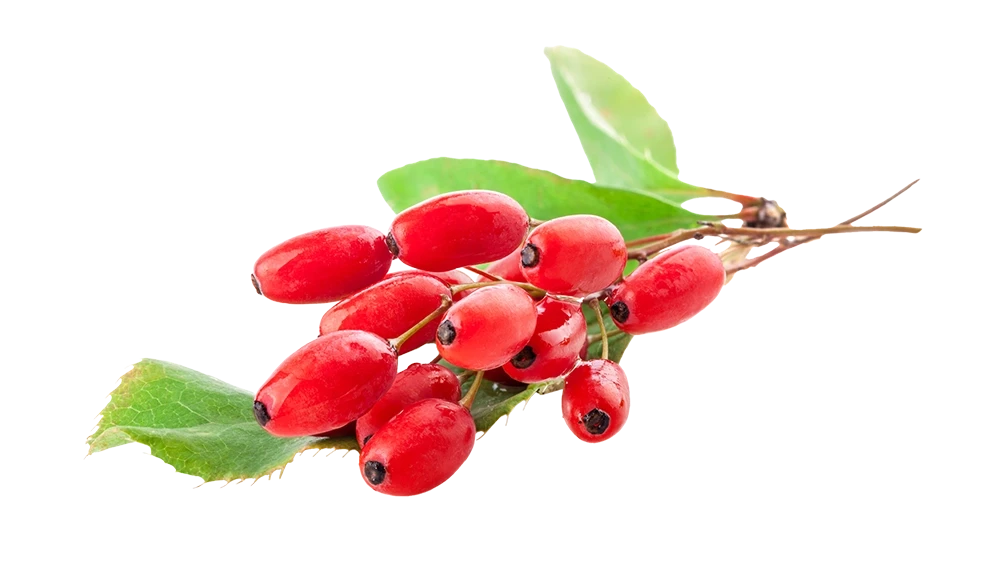
Berberin
Berberin ist eine natürliche bioaktive Verbindung, die seit Jahrhunderten in der traditionellen chinesischen und ayurvedischen Medizin eingesetzt wird.

Chrom
Chrom ist ein essenzielles Spurenelement, das den Makronährstoffstoffwechsel unterstützt und dazu beiträgt, normale Blutzuckerwerte zu erhalten – für stabile Energie und einen gesunden Stoffwechsel.
Zink
Zink trägt zu einer normalen Makronährstoff- und Energieverwertung bei, unterstützt den Kohlenhydrat-, Protein- und Fettstoffwechsel, stärkt das Immunsystem und schützt die Zellen vor oxidativem Stress.
Verwandte Produkte
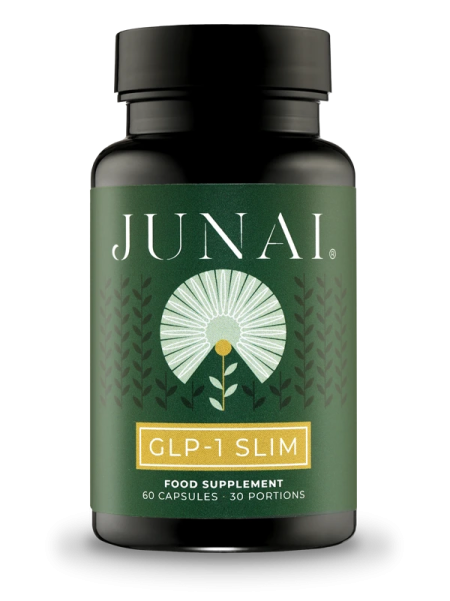
Junai GLP-1 Slim
- Slim hilft dabei, den Blutzuckerspiegel mit Chrom zu regulieren, das zur Stabilisierung der Energiereserven beiträgt.
- Berberin hilft dabei, gesunde Cholesterinwerte aufrechtzuerhalten und die Regulierung des Blutzuckers zu unterstützen.
- Weiße Maulbeere trägt zum Kohlenhydratstoffwechsel und zur glykämischen Reaktion bei.
- Zink trägt zur normalen Aufnahme und zum normalen Stoffwechsel von Makronährstoffen bei.
Verwandte Beiträge

GLP-1: Dein natürlicher Verbündeter beim Gewichtsmanagement
GLP-1 ist ein Hormon, das bei der Verdauung auf natürliche Weise ausgeschüttet wird und eine zentrale Rolle dabei spielt, dein Körpergewicht und deinen Appetit zu regulieren

Was sind Fatburner?
Lassen Sie uns einige Mythen und Fakten über Fatburner aufdecken, insbesondere was Fatburner sind, wie sie wirken und welches das beste Produkt ist.
