





The body changes after the age of 30. Discover how to support hormonal balance, increase energy, and maintain a healthy vaginal flora.
There are topics that women only talk to one another about with caution. Or we don’t bring them up at all.
Hormonal fluctuations that surprise us in the middle of the week. The feeling that our energy levels don’t keep us going through the evening. Moments when our intimate health changes and we don’t really know if the change is “normal” or not.
These are three things that we should talk about more openly, especially after the age of 30, when the body gradually starts to change. Not dramatically and not suddenly, but significantly enough for us to notice.
This article summarizes what modern scientific literature says about these three areas: how hormonal balance, energy, and healthy vaginal flora are interconnected, and what we can actually use from this knowledge in our daily routine.
Why Everything Changes After 30
Many women experience the milestone of 30 in full swing: career, family, recreation, ambitions... But the body is quietly changing its internal dynamics.
After 30, the levels of some key hormones, especially estrogen and progesterone, start to gradually wane. For many women, the transition to perimenopause is noticeable as early as 35, even though their menstrual cycle is still functioning quite regularly. Research shows that, during perimenopause, fluctuations in estrogen levels increase, which can affect sleep quality, energy levels, and mood. [1]
At the same time, something less obvious is also changing: the composition of your vaginal microbiota. This is closely linked to estrogen, as estrogen promotes the accumulation of glycogen in the vaginal epithelium, which is metabolized by lactobacilli into lactic acid. The result? A stable pH environment. When estrogen levels fluctuate, pH levels follow suit and the microbial balance feels the consequences.
All of this amounts to one simple fact: hormones, energy, and vaginal flora are three systems of one body that do not operate separately or in isolation. The conversation about them deserves more space, less embarrassment, and more actual information.
Vaginal balance – the female body's silent story

Healthy Vaginal Flora: Why Balance Is Not a Given
The term healthy vaginal flora has begun appearing frequently in the media and marketing language. Understanding what we really mean by this is more important than ever.
What is Vaginal Microbiota
Your vaginal microbiota is a vibrant community of microorganisms that naturally inhabit the vaginal environment. In most women of reproductive age, this community is dominated by Lactobacillus bacteria. Scientific reviews link this dominance to a more stable microbiological balance and a lower vaginal pH (approximately between 3.8 and 4.5). [3]
Among the commonly described species are:
Lactobacillus rhamnosus (the species included in our formulation for Junai HER)
L. crispatus
L. iners
L. gasseri
L. jensenii
You can read more about the role of lactobacilli in our blog about vaginal microbiota and lactobacilli.
What Affects Vaginal Balance
Vaginal balance is not a static state. It changes throughout life and even throughout the month. Some of the most common factors that influence it include:
hormonal changes and the menstrual cycle
antibiotics and some other medications
stress and poor sleep
sexual activity
hygiene routines and aggressive intimate products
lifestyle and diet
After the age of 30, hormonal fluctuations become more frequent, making the balance of vaginal flora a more dynamic story for many women, rather than a constant. [4]
When to Consult a Specialist
Occasional changes in discharge or sensation are not necessarily a cause for concern. However, when more pronounced signs appear, such as a strong fishy odor, itching, burning sensations, pain, or unusual discharge, the safest route is to talk to a gynecologist. Conditions like bacterial vaginosis have clear clinical guidelines for diagnosis.
Energy that returns

More Energy After 30: When Reserves Don't Last as Long as Before
The second topic we should talk about more openly is energy. More specifically, persistent fatigue, which is often framed as: “I’ve been so tired lately, I don’t know why.”
After the age of 30, fatigue can stem from several intertwined factors:
hormonal fluctuations
lack of regenerative sleep
chronic stress
deficiency of certain micronutrients
altered metabolism and lower estrogen levels
Hormones and Energy Are Connected
Estrogen plays a role in many processes related to energy metabolism, including the functioning of mitochondria, which are the “powerhouses” of cells. When estrogen levels fluctuate, mitochondria cannot always do their job with the same efficiency, which causes many women to feel that their bodies are no longer operating “in the same gear” as they did at 25. [5]
An additional factor is sleep. During perimenopause, sleep quality often decreases; studies mention that about 40% of perimenopausal women suffer from sleep issues. Less deep sleep means less regeneration and more fatigue during the day [6] .
Vitamin B6
In the European register of health claims, vitamin B6 is clearly defined in relation to energy. According to the EFSA opinion [7] and in accordance with Regulation (EU) No. 432/2012, vitamin B6 contributes to:
normal energy metabolism
reduction of fatigue and exhaustion
normal functioning of the nervous system
normal psychological function
Vitamin B6 acts as a coenzyme in more than 100 metabolic reactions, including amino acid metabolism and the mobilization of stored glycogen for energy. More about its role is explained in the Junai article Vitamin B6: Why It’s Key for Energy, the Nervous System, and Hormonal Balance.
Daily Habits That Support Energy
Modern diets do not always provide optimal amounts of all B vitamins, especially under stress, restrictive diets, or long-term consumption of caffeine or alcohol. Among the habits that support energy levels after 30, the professional guidelines most often mention:
regular meal timing
sufficient intake of proteins and vegetables
regular physical activity
7–9 hours of sleep
limiting caffeine in the second half of the day
stress management through breathing techniques, walks, short breaks
Dietary supplements are not a “one-size-fits-all solution", but tools that complement a balanced diet and an active lifestyle.
Hormonal balance

Hormonal Balance: A Complex System That Deserves Attention
The third topic that deserves a louder conversation is hormonal balance. In public, the term is often simplified, as if it were just a single “switch", but in reality, the hormonal system is one of the most sophisticated communication networks in the body.
What is Hormonal Balance
Hormones are chemical signals that travel between the brain, glands, and tissues. In women between the ages of 30 and 50, they play a special role:
estrogen and progesterone – regulate the cycle, fertility, well-being, and sleep quality
cortisol – the stress hormone that affects energy and sleep
thyroid hormones (T3, T4) – regulate metabolism and temperature
insulin – manages blood sugar levels and energy reserves
melatonin – regulates the sleep-wake cycle
When one of these signals changes, the effect often does not manifest in isolation. It often presents as a combination of signs: changes in the cycle, different sleep quality, energy waves, changes in mood, or intimate well-being.
Vitamin B6 and Regulation of Hormonal Activity
Vitamin B6 has several approved effects in the European register of health claims. Relevant to our topic, vitamin B6 is recognized as contributing to the regulation of hormonal activity. This means that its role in hormonal metabolic pathways is scientifically recognized at the European level.
For this reason, vitamin B6 often appears in formulations of dietary supplements aimed at women who want to support hormonal activity and normal psychological function through various periods.
Other Ingredients That Complement Modern Formulas
Modern dietary formulas often include, in addition to vitamin B6:
iodine (e.g. from the algae Fucus vesiculosus or bladderwrack), which contributes to the normal functioning of the thyroid and energy metabolism
plant extracts, such as lemon balm and rosemary, with a long tradition of use in supporting well-being
bacterial cultures of the genus Lactobacillus, naturally present in the body
chlorella as a source of plant nutrients
piperine (black pepper) to support the absorption of certain ingredients
It is important to understand that dietary supplement cannot substitute a balanced diet. However, they can provide meaningful support when you want to add an extra layer of care to your routine.
Three systems, one body: why we shouldn't look at them separately
Hormonal balance, energy levels, and healthy vaginal flora are not three separate stories. From a biological perspective, they are part of the same system:
estrogen affects the vaginal microbiota through glycogen in the epithelium
vitamin B6 plays a role in regulating hormonal activity and reducing fatigue
stress and sleep influence hormonal fluctuations that affect energy
microbiota is sensitive to hormonal changes, antibiotics, and stress
Because of this connection, the modern approach to supporting women's well-being is increasingly less focused on just one problem. Multisystem formulas that combine probiotics, micronutrients, and plant ingredients into one routine are becoming more common.
Even Junai HER is an example of such a formula. In one capsule, it combines vitamin B6 (100% of the recommended daily intake), bacterial cultures Lactobacillus rhamnosus CRL1505 (≈ 10⁹ CFU per capsule), iodine, lemon balm, rosemary, chlorella, and piperine to support all three systems at once. Not as a miracle solution, but as a thoughtful part of a daily routine alongside a varied diet and an active lifestyle.
The conversation about women's health shouldn't be taboo
“Things we should talk about more openly” is not just a marketing slogan. It's a reminder that the body starts sending signals after the age of 30 that deserve more attention, less shame, and a freer flow of more reliable information.
Hormonal fluctuations are not a mistake. Drops in energy are not laziness. Changes in your intimate balance are not a punishment. They are all parts of a biology that we can understand better. And when we understand it, our decisions on what to eat, how to sleep, when to seek professional advice, and what support to add to our routine become more informed.
This is a conversation we deserve. With doctors. With friends. And also with ourselves.
Junai
Her


Junai
Her
When the body needs support for balance
Junai HER is a dietary supplement designed for the modern woman who wants more balance, lightness, and control over her well-being.
Balance from within
Hormonal support
Energy and lightness throughout the day
FAQ – Frequently Asked Questions
1. What does “hormonal balance” mean for women over 30?
The term describes a dynamic orchestration among various hormones, primarily estrogen, progesterone, cortisol, and thyroid hormones. As you age, the levels of these hormones gradually change, which is a natural biological process. Vitamin B6 is one of the components that contributes to regulating hormonal activity, a claim approved at the EFSA level.
2. Why do I have less energy after turning 30?
There can be several reasons: hormonal fluctuations, poorer sleep quality, chronic stress, and deficiencies in certain vitamins. Research indicates an increased prevalence of fatigue during perimenopause, linked to changes in estrogen levels and sleep. Vitamin B6 helps reduce fatigue and exhaustion and supports normal energy metabolism.
3. What is a healthy vaginal flora?
Healthy vaginal flora is a microbiological balance where bacteria of the Lactobacillus genus dominate the vaginal environment. They contribute to a lower vaginal pH (approximately 3.8–4.5), which is described in the literature as one of the natural conditions facilitating microbial equilibrium.
4. Do hormones affect the vaginal microbiota?
Yes. Estrogen is closely linked to the predominance of lactobacilli, as it promotes the accumulation of glycogen in the vaginal epithelium, which lactobacilli metabolize. Therefore, changes in the composition of the microbiota are common during the menstrual cycle, pregnancy, and perimenopause.
5. Can dietary supplements help with hormonal balance and energy?
Dietary supplements can support normal physiological functions, but they cannot cure diseases. Ingredients such as vitamin B6, iodine, and bacterial cultures are included in modern formulas because they contribute to processes related to energy, hormonal activity, and microbiological balance. It is always recommended to consult a doctor if you have pronounced symptoms.
6. When should I consult a gynecologist or doctor?
Professional advice is recommended for persistent symptoms such as strong odor, itching, burning sensation, unusual discharge, pain, unexplained energy drops, or significant changes in your cycle. A consultation is also recommended before taking new supplements if you have chronic illnesses, are taking medications, are pregnant, or are breastfeeding.
7. Which Junai product is intended for women who want to support all three systems?
Junai HER is a formula specifically designed for the female body. In one capsule, it combines vitamin B6, bacterial cultures Lactobacillus rhamnosus CRL1505, iodine, and plant ingredients such as lemon balm, rosemary, chlorella, and piperine. Vitamin B6 contributes to regulating hormonal activity, reducing fatigue and exhaustion, and supporting normal energy metabolism.

Vitamin B6
Vitamin B6 is one of the key water-soluble vitamins that plays an important role in numerous biochemical processes in the body. It helps with the metabolism of macronutrients, supports the functioning of the nervous system, the formation of red blood cells, and many other functions that are essential for the normal operation of our body.
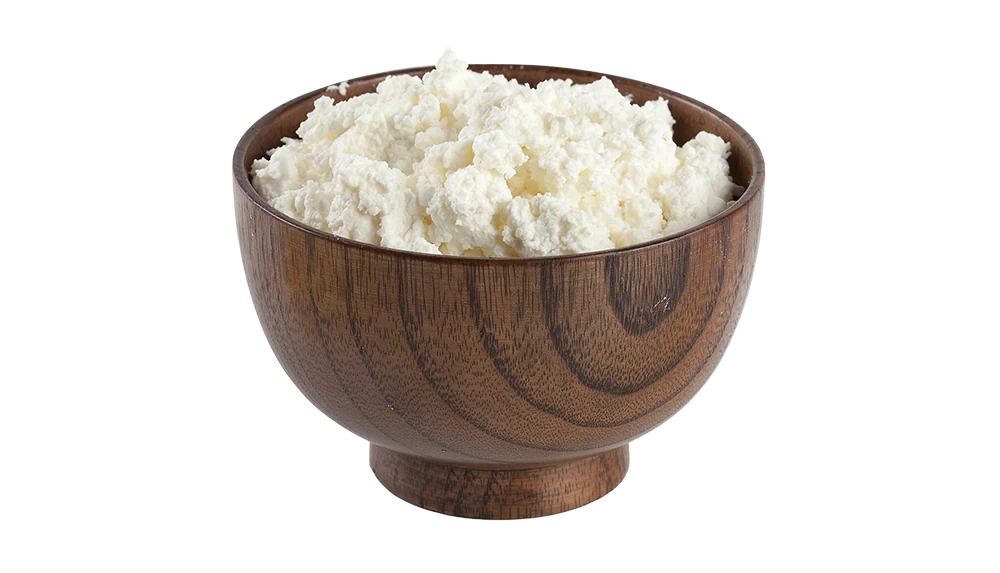
Lactobacillus rhamnosus
A helpful bacterium that is naturally present in the human digestive tract and in the female urogenital system.
Related products
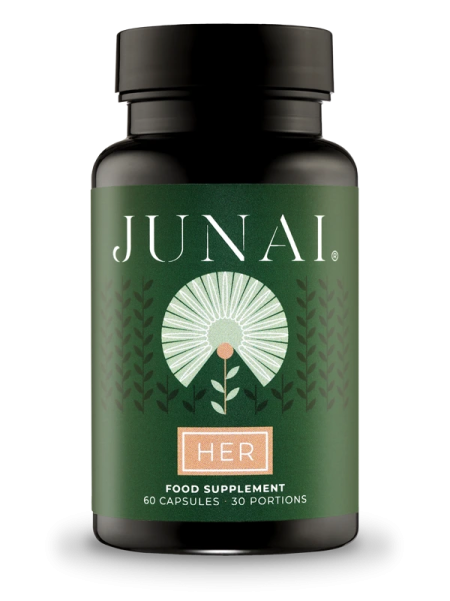
Junai Her
- Iodine from brown algae supports the thyroid.
- 10⁹ cultures of L. rhamnosus that support a healthy natural flora.
- Chlorella, vitamin B6 and black pepper help support the body’s defense against free radicals.
- Vitamin B6 contributes to the regulation of hormonal activity and helps reduce tiredness and fatigue.
Related posts

Vitamin B6: why it's essential for energy, your nervous system, and hormonal balance
Vitamin B6 is a key B vitamin that your body really needs.

Vaginal microbiota: why lactobacilli are key to a healthy vaginal flora
Understanding how vaginal flora works helps us distinguish between widespread myths, marketing promises, and what science actually confirms about intimate health.
