




Rosemary (Salvia rosmarinus, formerly Rosmarinus officinalis) is a wonderfully fragrant Mediterranean herb. Known to you mostly for its role as culinary aromatic, it was a main character in traditional Mediterranean medicine.
It is teeming with active compounds like rosmarinic acid, which research has identified as a powerful antioxidant, and carnosic acid, a strong anti-inflammatory and anticarcinogenic.
What is Rosemary?
Rosemary is a perennial shrub with fragrant, needle-like leaves. It flowers in spring, sprouting purple or sometimes white, pink, or blue flowers. Like another of Junai's ingredients, lemon balm, it is a member of the mint family Lamiaceae.
Native to coastal southern Europe, it is, along with oregano, likely the most representative herb in Mediterranean cuisine. Its old scientific name Rosmarinus officialis contains three telling parts: ros is Latin for "dew", and marinus means "of the sea", so rosmarinus means "dew of the sea". The second part, officinalis, tells us that the herb was used traditionally in apothecaries, or medieval pharmacies. In 2017, DNA studies showed that rosemary is actually a type of sage plant, and not its own genus. Consequently, it was reclassified as Salvia rosmarinus to reflect its true place in the Salvia or sage family.
As the marinus part of its name suggests, rosemary thrives best in temperate coastal climates.
Why Rosemary Exists for You
Rosemary is one of the ingredients that form a part of the now-famous healthy Mediterranean diet, rich in antioxidant herbs and spices. It grows slowly and steadily, sprouting its sprigs for you as subtle companions in your culinary and wellness endeavors. It’s the herb that brings a dish into focus and the one that whispers clarity when your mind feels foggy. Taken regularly, it gently hones your focus when tasks pile up, offering calm, steady energy without the jitters of caffeine.
It supports your body’s natural immune defenses, helping you face each day with quiet resilience. In addition to its positive effects on your mental clarity, immune system, and cellular health, it also might help keep you looking great: rosemary has been shown to help in breaking down dietary fats.
Rosemary doesn’t just season your sea bass and shanks of lamb, it seasons your life, helping you feel present, capable, and balanced.
What Rosemary Does
Rosemary does more than add aroma or flavor. Its leaves contain active plant compounds that help protect the body from oxidative stress, support healthy inflammation levels, and keep the mind feeling sharp. Rosemary is especially valued for its ability to support focus, memory, and mental clarity, which is why it has been linked with clear thinking for centuries.
Many of rosemary’s benefits come from two key compounds: rosmarinic acid and carnosic acid. These natural plant chemicals are responsible for much of rosemary’s antioxidant, anti-inflammatory, and cognitive-supporting potential. They help neutralize free radicals, support the body’s own antioxidant enzymes, and may even influence neurotransmitters involved in focus and memory.
Serves as an antioxidant and anti-inflammatory
Rosemary contains several natural antioxidants that help protect cells from the harmful effects of free radicals. These compounds help reduce oxidative stress and promote robust inflammatory responses, both of which are closely linked to long-term cellular health and healthy aging.
Supports fat metabolism
Rosemary has also been associated with healthy digestion and the breakdown of dietary fats. Some research suggests it may help reduce the formation of new fat cells while also supporting the body’s ability to potentially reverse lipid accumulation.
Improves circulation
The carnosic acid in rosemary has been linked to vasodilation, meaning it helps relax blood vessels and allows blood to flow more easily. Rosemary is used both internally and topically for this reason, especially to stimulate blood flow to the skin and extremities. This makes it particularly useful for people who often struggle with cold hands and feet.
Protects neurotransmitters and supports mental clarity
Rosemary contains bioactive compounds that may influence brain chemistry in several ways. It has been linked to improved focus, memory, and mental clarity, while also helping protect neurotransmitters from oxidative stress. Some research also suggests rosemary may support neuroplasticity, which is the brain’s ability to adapt, learn, and form new connections.
Read the next section to find out how rosemary works at the molecular level.
How Rosemary Works
Forewarned is forearmed: this section gets a little bit sciencey. We'll try to keep the language readable, but the science itself will not be watered down.
Antioxidant and anti-inflammatory activity
Like its cousin lemon balm, rosemary is rich in polyphenols and flavonoids, especially rosmarinic acid, carnosic acid, carnosol, quercetin, luteolin, caffeic acid, and chlorogenic acid. These compounds help neutralize reactive oxygen species, also known as free radicals.
Free radicals are unstable molecules that can damage cells, proteins, lipids, and even DNA if they build up faster than the body can clear them. That buildup is known as oxidative stress, and it plays a role in inflammation, ageing, cardiovascular disease, metabolic dysfunction, and many other chronic health issues.
Rosmarinic acid appears especially important because it may reduce inflammatory signaling molecules such as TNF-α, IL-1β, and NF-κB. NF-κB acts like one of the body’s master inflammatory switches. When activated, it turns on genes involved in inflammatory cytokines, immune signaling molecules, and cellular stress responses.
At the same time, rosemary may help increase the activity of the body’s own antioxidant enzymes, including superoxide dismutase (SOD), catalase, and glutathione peroxidase. These enzymes form part of the body's internal defense network against oxidative damage.
Carnosic acid and neuroprotection
Carnosic acid is one of rosemary’s most studied compounds because of its effects on the brain and nervous system. It is able to cross the blood-brain barrier, which means it can directly influence brain tissue rather than only working elsewhere in the body.
Research suggests carnosic acid may protect neurons from oxidative stress, reduce neuroinflammation, and help protect mitochondria. Mitochondria are the powerhouse of the cell; they are especially important in the brain because neurons require enormous amounts of energy to function properly.
Carnosic acid may also activate the Nrf2 pathway, one of the body’s main protective systems against oxidative stress. When Nrf2 is activated, the body increases production of antioxidant enzymes and detoxification proteins that help shield cells from damage.
Blood flow support
Rosemary has also been linked to improved circulation. Compounds such as carnosic acid may encourage vasodilation, meaning blood vessels relax and widen. This allows blood to move more easily through the body, potentially improving oxygen and nutrient delivery to tissues.
Improved blood flow may help explain why rosemary has traditionally been used to support mental clarity, physical energy, and warmth in the hands and feet. Better circulation to the brain may also contribute to the focus and alertness many people associate with rosemary.
Bronchodilation and respiratory support
Rosemary contains 1,8-cineole, more commonly known as eucalyptol. This is the same compound that gives eucalyptus its familiar cooling, clearing effect.
Eucalyptol is known for its ability to relax the smooth muscles around the airways, helping them open more easily. It may also help thin mucus and make it easier to clear from the respiratory tract. This is one reason rosemary has traditionally been used in herbal steam inhalations, teas, and remedies for seasonal respiratory discomfort.
Mood, calm, and neurotransmitter balance
Rosmarinic acid may also affect the nervous system by influencing GABA, one of the brain’s main calming neurotransmitters. Rosemary appears to inhibit GABA transaminase, the enzyme responsible for breaking down GABA.
GABA, or gamma-aminobutyric acid, reduces neuronal excitability at the level of the entire nervous system. It's one of the chemicals that tells your brain to differentiate between, e.g., a tiger stalking you in the bushes and a simple email notification from your boss.
When GABA stays active, the nervous system has a greater capacity for calm, emotional balance, and self-regulation. This might be why traditional cultures associated rosemary with feeling mentally clear but not feeling overstimulated.
Research on Rosemary
Rosemary, like many plants in the Lamiaceae family, is the subject of countless studies targeting its rich profile of bioactive compounds.
EFSA Claims
The European Food Safety Authority only has one unequivocal claim approved about rosemary:
"Contains naturally occuring antioxidants that help protect you from radicals that cause cell damage, protecting your cells and tissues from oxidative damage."
In addition to this claim, it also has a whole host of other claims suspended on its on-hold list:
On-hold claims
stimulates lipid and cholesterol metabolism, helping to maintain a normal cholesterol level
helps the heart function well despite hyperactiveness and agitation
supports blood circulation to the brain and helps maintain age-related memory decline
helps maintain a good mental and emotional condition
supports the good functioning of the digestive system, helping eliminate gastrointestinal discomfort
helps eliminate joint discomfort and maintain joint mobility and flexibility
helps women deal with menopause comfortably
contributes to the body's natural immune defense responses and defences
International Studies
Despite EFSA's slow approach to reviewing botanical claims, research from around the world has confirmed many of the effects that traditional cultures have found rosemarz to possess. We'll include a few studies here for your reading pleasure, many of which are already linked in the footnotes of the previous section above.
An ambitious article describing rosmarinic acid's ability to inhibit adipogenesis and lipolysis, or in simple terms to prevent the formation of and conversion to fat cells.
An article outlining rosemary's ability to help regulate blood sugar levels, and coincidentally on fat production
Medicinal plant rosemary relaxes blood vessels by activating vascular smooth muscle KCNQ channels
An article explaining the mechanisms by which rosemary contributes to vasodilation and thus to improved circulation.
An article highlighting rosemary's ability to affect memory and improve mood despite stressors
Short-term study on the effects of rosemary on cognitive function in an elderly population
An in-depth study on rosemary's beneficial effects on cognition and cognitive function.
The Impact of Thyme and Rosemary on Prevention of Osteoporosis in Rats
A study documenting rosemary's potential for helping ease the transition to menopause by preventing osteoporosis.
How to Use Rosemary
We are assuming you are already at least a bit familiar with rosemary’s culinary applications, but if not, put simply: it is divine. Rosemary pairs beautifully with Mediterranean dishes, from rich meat-based recipes to lighter seafood plates, roasted vegetables, simple soups, and plant-based pastas.
It can be used whole, allowing the sprigs to slowly release their aroma into a dish, or finely chopped and added directly. Ground rosemary can also be used sparingly, although too much can easily overpower other flavors. The needle-like leaves themselves can be quite tough and slightly bitter to bite into, a taste that comes from many of the same medicinal compounds that give rosemary its pharmacopia of beneficial active compounds.
Outside the kitchen, rosemary has a long history in teas, oils, extracts, and wellness preparations.
Traditional Usage
Rosemary has been used for thousands of years as both an aromatic herb and a medicinal plant. In traditional Mediterranean and herbal medicine, it was often used to support digestion, circulation, memory, and respiratory comfort.
It has been prepared in teas, tinctures, infusions, and herbal wines, while rosemary-infused oils were traditionally used for massage, scalp care, and stimulating blood flow to the skin and extremities. Rosemary was also burned, steamed, or added to baths for its refreshing aroma and clearing effect on the mind.
Modern Usage
Today, rosemary is still widely used in cooking, but it has also found a place in supplements, skincare, aromatherapy, and sports recovery products.
Standardized rosemary extracts are commonly used for their antioxidant and cognitive-supporting effects, while rosemary essential oil is often applied in massage oils, scalp products, shampoos, and diffusers. Rosemary also appears in modern wellness products designed to support circulation, mental clarity, digestion, and respiratory comfort.
All of this together means that rosemary has basically achieved unique status, the rarest of all herbal achievements: equally at home in a soup pot, a supplement capsule, a diffuser, and a mysterious bottle of infused oil sitting in the back of your grandmother's kitchen cupboard.
How and Why Junai Uses Rosemary
Junai uses rosemary as one of the key ingredients in our formulation for Junai Her. The part of the plant used is the leaf.
Each capsule contains 100 mg of leaf extract, whose solvent is water, extracted at a ratio of 4:1. By volume, this extract is 5-7% rosmarinic acid.
Rosemary is a part of Junai Her to provide users with a strong antioxidant and anti-inflammatory, as well as to offer them the potent anti-carcinogenic effects of another of rosemary's strongest active ingredients, carnosic acid. Another reason for its inclusion is the beneficial effects it has on circulation, keeping you invigorated. Lastly, rosemary’s potential effects on mood, mental clarity, and calm make it a natural fit in a formulation designed to support balance and well-being.
Who Needs Rosemary?
Rosemary is for people who:
want to feel a little more switched on
are juggling too many tabs in their mind
feel mentally foggy by midday
find their focus slipping away faster than they would like
It can also be useful for people looking for more natural support for circulation, antioxidant protection, digestion, and everyday resilience. If you often feel sluggish or low on mental energy, especially if you regularly feel cold in your hands and feet, or simply if you want an herbal solution for both body and mind, rosemary may be exactly the aromatic associate you are looking for.
Rosemary isn't an obvious herbal remedy. Like many similar ingredients, its abundant familiarity in the kitchen can sway our judgment, leading us to overlook its medicinal qualities. But underneath the intoxicating fragrance and typically Mediterranean flavor profile, rosemary's active compounds are working quietly, helping you feel a little sharper, a little steadier, and a little more like yourself.
What to Expect with Rosemary
As with many ingredients whose primary mechanisms are based on antioxidative compounds, rosemary isn't an herb with a dramatic, immediate effect. Its benefits are often subtle and gradual, taking time to accumulate and become noticeable.
You may notice slightly better focus, steadier mental energy, improved alertness, and a greater sense of clarity during the day. Some people also notice that they feel physically lighter, warmer, or more energized, especially if circulation or sluggish digestion has been an issue for them.
Over the long term, rosemary may also support healthy ageing by helping protect the body from oxidative stress and inflammation. In that sense, rosemary is less like a lightning bolt and more like a steady lantern: not dramatic, but consistently useful when you need it.
Quick Recap of Rosemary
More than just a deliciously aromatic herb to use with Mediterranean food, rosemary or Salvia rosmarinus is:
A perennial herb in the mint family Lamiaceae with a wonderful fragrance
An ingredient equally at home in the pantry and medicine cabinet, in forms as diverse as capsules and diffusers
Full of active compounds that have a calming, soothing effect on body and mind, aid in relieving oxidative stress, and help the body fight inflammation
Touted as a wonderful aid in maintaining cognitive clarity and sharpness, as well as for aiding in memory.
Used in Junai HER to help provide a relaxing effect at the systemic level without inducing anything like sedation
Rosemary contains powerful bioactive compounds like rosmarinic acid, carnosic acid, and eucalyptol, which help support focus, memory, circulation, digestion, antioxidant defenses, and overall vitality.
It has been used traditionally for centuries, but modern research is now beginning to explain why. Rosemary may help protect the brain, reduce oxidative stress, support blood flow, encourage calm, and help the body function more efficiently behind the scenes.
In other words: rosemary does not just make food taste better. It may also help you feel sharper, clearer, and more balanced from head to toe.
Related ingredients
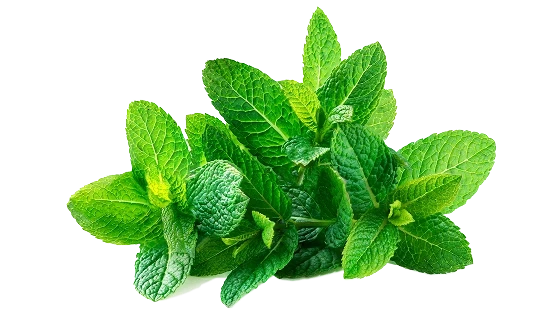
Lemon Balm
Melissa has been used for centuries in traditional medicine for its calming properties. Its bioactive compounds support mental well-being, improve cognitive functions, and aid in digestion.
Related products
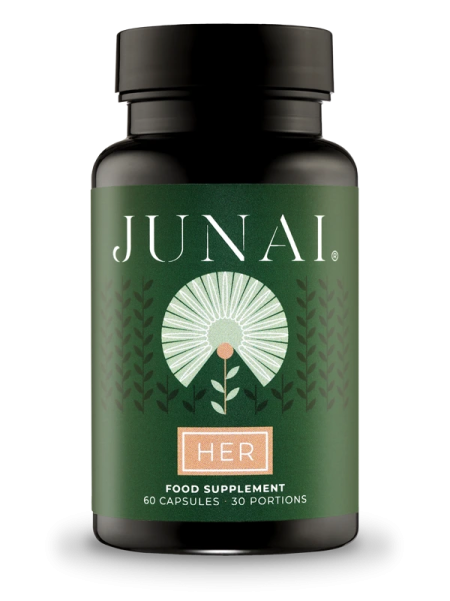
Junai Her
- Iodine from bladderwrack supplies the thyroid gland with the building blocks of metabolic hormones.
- A billion (10⁹) colony forming L. rhamnosus cultures that support healthy, natural intimate flora.
- Rosmarinic acid, lemon balm extract, chlorella, vitamin B6, and black pepper detox the body of free radicals.
- Vitamin B6 contributes to hormonal regulation, more stable energy levels, and less fatigue.
Related posts

Micronutrients: Why Your Body Loves Those Essential Vitamins and Minerals
Micronutrients fuel energy, immunity, and your overall feel-good flow.
