





We tackle some of the myths and hype around fat burners, dissecting what they really are, how they work, and which one - if any- is the best for you.
If you lived through the 90s and early 2000s, your subconscious is probably still recovering from the onslaught of infomercials you saw about the magical fat burning belt that “activated your abs” and helped you lose weight while you were just sitting on the couch, flipping through channels. As online shopping grew and traditional TV watching declined over the years, infomercials slowly became a thing of the past. But nothing happened to the hope that drives people to fall for the alluring promise of burning body fat while expending zero energy. Sure, today many people realize practically that it was perhaps a bit over-optimistic to expect miracles from a battery-powered piece of fabric that shakes your belly rolls a wee bit while you do precisely none of the hard work yourself, but the sentiment that we should be able to burn fat through some sort of effort-saving trick is still very much alive and spending money. So, let’s dive into a couple of questions surrounding fat burners, especially what fat burners are, which is the best fat burner (and why this may be a trick question), what some of the side effects are, and how to get the most out of your usage.
How Fat Loss Actually Works
Let’s get something out of the way up front: the body will always burn through the easiest energy source. First comes the food in the stomach, followed by stored glycogen, and only then will it turn to fat. The only way to actually burn any fat is therefore through calorie deficit or, put more simply, by burning more calories than you ingest. Only then does the body turn from the contents in its stomach to the rings around its belly in search for energy to burn.
Keep in mind that evolution never imagined you’d have access to a store, a fridge, and Wolt drivers at your beck and call. Left to fend for themselves, most animals, including apex predators, need to spend huge parts of their lives just securing enough food for survival. Body fat emerged as a way of bridging the gap between moments of excess and scarcity. If you found a particularly rich meal, evolution made it possible to store part of its calories for later. It even made things like fat and sugar taste delicious, so you keep wanting to return to the source. Again, you evolved for scarcity and not abundance, and your body reflects that. So never think of yourself as weak for liking sweets or foods high in fat, as you’re just doing what millions of years of evolutionary programming expects from you. And that same logic leads to the next inevitable conclusion: fat loss isn’t about tricks, but about how easy or difficult it is to burn more calories than you consume. Every solution discussed below is derived from that simple, if sobering, fact.

Types of Fat Burners Explained
Now that we realize the only true way to burn fat is through expending calories, we’ll take a look at some of the different approaches to the same goal.
Mechanical Fat Burners (Belts, Waist Trainers, Sweatbands)
The primary premise of all mechanical fat burners is in the temporary loss of sweat. This is true whether we’re talking about the battery-powered infomercial versions of the late 90s or about simple bands of fabric that wrap or attach with velcro around the waist. The battery-powered ones promise the sedentary activation of muscle groups, insisting that fat is burned through muscle twitches without engaging the brain. This makes for little more than a glorified, and worse regulated, taser. Does shocking the abs and causing them to spasm involuntarily, strictly speaking, indeed burn calories? Ugh, alright, technically speaking, yes, making muscles contract does burn calories. But sitting still burns calories too and taking a power walk around the block burns more calories than any belt you’re likely to buy.
The real mechanism behind slimming belts is in cooking the skin a bit by surrounding it tightly with a non-breathable layer. There are slight differences here between waist trainers and sweatbands, with sweatbands made to be worn during exercise and waist trainers meant to be worn all the time, but the point is the same: the wrapped area heats up and sweat comes pouring out, often enough to leave a visible, if only temporary, change to the waistline after a workout. This tactic is often used by boxers, wrestlers, and any other athlete that needs to be under a certain weight in order to compete in their preferred category, knowing that they can lose a few kilograms in water right before weighing in and that they will put the same amount of weight back on the very same evening after a solid meal.
It’s very likely that you, dear reader, are not a boxer or a wrestler, and so this sort of brute force method of instant and fleeting weight loss isn’t remotely useful for you. Even if it were, that change doesn’t come for free: most immediately, side effects of slimming belts include skin irritation where the body and fabric meet. Slimming belts can also restrict blood flow, ruin your posture by giving you a false sense of core strength while your muscles are actually atrophying, and even potentially interfere with digestion by compressing the abdominal area. By design, they also lead straight to dehydration, as their mechanism relies on draining you of water. A dehydrated body, struggling to push food through its digestive system while its core muscles lose strength, is incapable of supporting your actual health goals.
In short, any noticeable short-term effect on the scale comes from water loss, not fat burn, and the downsides to your long-term health far outweigh (don’t pardon the pun, we stand proudly by our puns) the benefits.

Edible Fat Burners and Weight Loss Supplements
If you are reading this blog, you’re probably much more interested in herbal or pharmaceutical fat burners than mechanical ones. You’ve likely seen entire shelves of weight loss supplements labelled as such and are curious to know if and how they work. At this point, it’s worth reminding the reader that the only actual way to burn fat is by burning more calories than you ingest. And while there is no outright magic for getting around this, there are plenty of tricks to approach, approximate, and assist that calorie deficit. So, let’s dive in.
Thermogenic Fat Burners (Caffeine, Green Tea, Heat-Based Supplements)
Some products interpret the "burn" in "fat burner" rather literally, trying to cook off fat cells by elevating body temperature. Indeed, the fuel for thermogenesis (the fancy science word for increasing body temperature) comes from stores of calories. And so goes the idea that, if you can artificially increase body temperature, you can shed fat in the process. Coffee and green tea, specifically the caffeine contained in both and the catechins (powerful antioxidant polyphenols) in green tea are some of the most basic ingredients at use in products aimed at thermogenesis. There is some truth here, namely in that caffeine does increase your metabolism briefly and epigallocatechin gallate (the primary catechin in green tea) does play a part in oxidizing fat cells. We assume, however, that most people reading this might even be doing so with a cup of coffee or tea in hand, and yet none of you have noticed any magic weight loss, even those on the 4th cup of the day. That’s because the effects, though they exist, are minimal and because the body develops a tolerance to caffeine over time, diminishing its capacity for thermogenesis significantly.
That being said, green tea is great for most people and we heartily recommend drinking bunches of it, especially if you can use it to replace another favorite, potentially sweeter drink.
GLP-1 Agonists and Medical Weight Loss Drugs
Certainly, the most frequently discussed and widely known fat burner is Ozempic, whose primary mechanism is in mimicking the naturally occurring hormone GLP-1. We’ve already written a whole blog post on GLP-1, but to recap in two sentences here: GLP-1 is a post-prandial (meaning after meals) hormone naturally secreted by cells in the lining of the intestines and colon. It has a four-fold function, increasing the secretion of glucose-dependent insulin, inhibiting the release of glucagon, slowing the passage of digested food through the gastric system, and signalling the feeling of satiety to the brain. In understandable terms: it limits how much sugar enters the blood, how long food physically stays in your system and makes you feel full, and convinces your brain that you don’t need any more to eat. Sound like a wonder drug? Well, it is. Over 85% of patients in a 6-month, controlled trial achieved weight loss between 5 and 10%, with 20% of patients achieving weight loss above 15% of pre-trial total body mass. [1] That’s not a wonder drug, that’s a truly miraculous and game-changing one.
But all that glitters is not gold. A whopping 30 to 50% of all Ozempic patients experience side effects; these range from very common mild issues like nausea, constipation, and abdominal pain, to rarer but more serious long-term severe complications with kidneys and gall-bladder stones resulting from dehydration, and to general aesthetic issues like sagging skin from losing weight faster than the body can respond. [2] And, as with most instant solutions, up to 80% of patients had regained most or all the weight lost within 2 years of quitting treatment. [3] To sum up, GLP-1 agonists can work wonders, but often do so at the expense of other health risks.
But what about Junai’s GLP-1 Slim, you may be asking? It does indeed encourage positive GLP-1 responses in the body, but works through much different, milder, and less invasively aggressive mechanisms, explained in the next two sections below.

Appetite Suppressants and Hunger Control Supplements
Some fat burners work by influencing the body’s signalling to the brain. There are several ways that the gastric system communicates fullness to the brain. It starts mechanically in the stomach, with nerve endings in the stomach lining sending signals along the vagus nerve to tell the brain the stomach is physically full, sometimes even painfully around the holidays. As food moves along the gastric tracts, a cocktail of hormones is released, perhaps most importantly GLP-1 and insulin. Then, there are less immediate signals involving adipose tissue (long-term fat stores), with leptin convincing the hypothalamus to suppress hunger and increase the consumption of energy as fat builds up. Berberine, a primary ingredient in our GLP-1 Slim formulation, targets two of these mechanisms, both encouraging the secretion of GLP-1 and helping make fat (adipose) cells available for conversion into energy.
Carb Absorption Inhibitors and Blood Sugar Regulators
Another category of fat burners targets the body’s absorption of carbohydrates and the conversion of blood sugar into fat cells. Ingredients in this general category can be as (again, please do not pardon the pun) elementary as zinc, which plays a huge role in regulating blood sugar levels. It is regularly recommended for improving glycemic responses and reducing insulin resistance in patients with type 2 diabetes. All of that is a fancy way of saying it helps regulate the amount of sugars that the body extracts from food and feeds into the bloodstream. Inhibitors are also found in many herbs, most promisingly in white mulberry, another ingredient in our GLP-1 Slim formulation, which reduces post-prandial hyperglycemia or, again in understandable terms, sugar spikes after meals. [4] Keeping the explanation as understandable as possible, a chemical in white mulberry leaves, namely 1-deoxynojirimycin, mimics glucose and thus binds to the enzymes the body deploys to break down complex carbohydrates, partially preventing them from turning into digestible sugars.
In tandem, berberine and white mulberry are some of the most touted and promising natural fat burners we’ve found, and research and trials are regularly leading to new discoveries about their potential. That’s why we included them in our GLP-1 weight loss supplement GLP-1 Slim.
Are Fat Burners Safe? Side Effects and Risks
Yes and no. I know, I know... if you’re reading this, you’re looking for a clear, unambiguous blessing to keep eating chips on the couch while one of a number of possible fat burner solutions does all the work for you. You’re desperate for us to say, “Sure, buy a fat burner and watch your lipids melt away like an April snowstorm.” But the truth, as usual, is more complex. If you’re thinking of trying one, learn about its individual ingredients and look them up. Identify the exact mechanism(s) of action (even if there are concurrent, complementary ingredients) and plan your diet and exercise accordingly. Choose a provider that is extremely open about its ingredients, along with their sources and bioavailable forms. Be aware that some herbs have potential adverse cross-interactions with prescription medications, and some herbs might lead to potentially serious liver (e.g. ephedra, garcinia, even green tea if consumed in excessive doses) or kidney (e.g. pennyroyal, wild ginger, licorice root) issues. Also be wary if you have any issues with high blood pressure, as fat burner supplements could augment existing conditions and lead to hypertension. Definitely consult your physician before starting with any fat burner. And steer clear of anyone promising a magic pill, as they’re just setting you up for disappointment.
Fat burners should be used along with a balanced diet and a healthy exercise schedule.
Who Are Fat Burners Actually For?
As stated, fat burners don’t exactly burn fat. Let’s recap what they actually do and why. Some, called thermogenic fat burners, target your metabolism and make you expend slightly more energy than usual, while others disguise weight loss through dehydration as fat loss. Some make it harder for your body to convert carbs to blood sugar, while others interfere with signalling and convince your brain that you’re fuller for longer. How can we leverage this information into a useful takeaway?
With the exception of Ozempic-style GLP-1 agonists, fat burners should be considered a helping hand. If you are already eating reasonably well, with a healthy, diverse diet grounded primarily in fibrous plants, if you are already more or less committed to a regular amount of movement in exercise, if you are already conscious of your caloric intake and expenditure, then fat burners can be a great way to supplement your hard work. Think of them as a strong ally standing by your side to help you avoid going back for seconds, to remind you not to open the fridge around midnight. They are useful if you are already determined to lead a healthy lifestyle and have hit a wall in your weight-loss goals.
Fat burners are not going to help if your sleep schedule is erratic or your diet is chaotic and at odds with the food pyramid. They won’t help if you have excess unmanaged stress. And they absolutely won’t help if you are dangerously overweight or have a diagnosed medical condition requiring, for instance, a gastric bypass. In that case, this blog and its recommendations aren’t for you. We strongly suggest consulting a doctor in that case.

So What’s The Best Fat Burner After All?
You, along with a healthy diet and an active exercise routine, that’s the best fat burner. You knew it all along, you just read all the way to here because that 1997 infomercial for the Fat Burner Belt 3000 is still wrapped tightly and sweatily around your subconscious midsection. Get yourself a bottle of Junai Slim, go to the farmer’s market for some fresh produce, and then hit the gym – the fat you want to burn doesn't stand a chance.
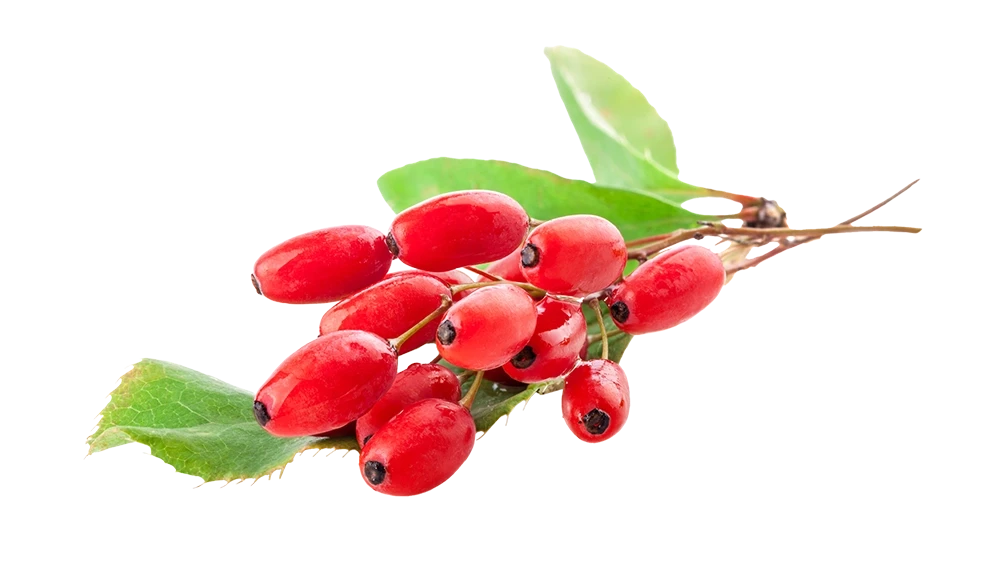
Berberine
Berberine is a natural bioactive compound used for millennia in traditional Chinese and Ayurvedic medicine to treat a range of health problems. Its main mechanism is in activating AMPK, which helps control blood glucose levels.

Reducose
Reducose®, a trademark of Phynova, is a natural extract of white mulberry leaves, famed for their ability to help the body metabolize carbohydrates. By affecting insulin responses after meals, it helps prevent spikes in energy levels.
Zinc
Zinc is a strong antioxidant contributing to the digestion and metabolism of macronutrients, sugars, proteins, and fats. It plays key roles in reproductive health and maintaining normal cognitive function. It is also vital for the immune system.
Related products
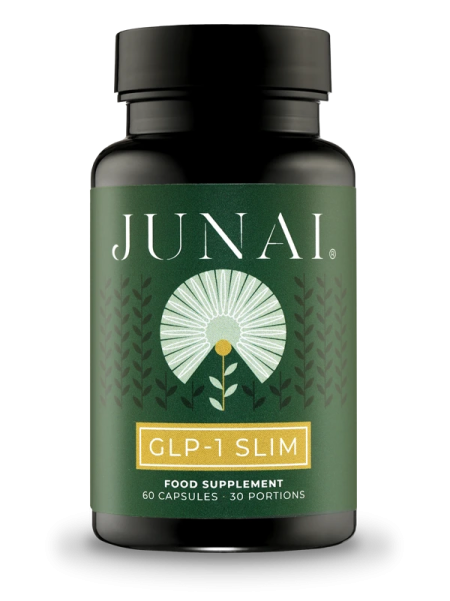
Junai GLP-1 Slim
- A powerful natural tool to help you meet and maintain your target weight
- Stimulated metabolism, improved digestion, and stabilized energy stores
- Natural appetite suppressant that curbs cravings and makes you feel full longer
Related posts

GLP-1: Your Natural Ally for Weight Management
GLP-1 is a hormone secreted naturally during the digestion process that is key in regulating your body weight and appetite
